A literature review published in the Journal of Alternative and Complementary Medicine found 15 supplements that had been studied for their benefits in preventing or treating coronary heart disease.
According to the researchers from the University of Washington in Seattle…
In their article published in InsideMS, Dr. Allen Bowling and Tom Stewart caution, “It’s not clear if omega-3 fatty acids really improve multiple sclerosis (MS).”
However, there is a scientific rationale for this supplement and some hints of effectiveness.
Dr. Susan Levy reviewed charts for 284 patients at the Regional Autism Center, which is associated with The Children’s Hospital of Philadelphia. She found that 32% of the children were using CAM.
“The data that we have now is they don’t seem to work,” said Dr. Sean Hennessy, a University of Pennsylvania epidemiologist and one of the experts who testified to the FDA today.
Researchers from the University of Western Sydney in Australia reviewed 40 years of research that compared calcium with or without vitamin D in older adults.
The National Healthy Mothers, Healthy Babies Coalition has summarized the recommendations from official groups, worldwide. Their website should be essential reading for pregnant, breastfeeding, and postpartum women, and women thinking of becoming pregnant.
High concentrations of homocysteine in the blood (hyperhomocysteinemia) have been linked to an increased risk for cardiovascular (CV) disease for almost 40 years!
About 23% or 62 million Americans have some form of cardiovascular disease (CVD; eg, heart disease, stroke, atherosclerosis, coronary heart disease, angina, coronary artery disease, high blood pressure, or heart failure).
The Women’s Antioxidant Cardiovascular Study concluded, “There were no overall effects of ascorbic acid [vitamin C], vitamin E, or beta carotene on cardiovascular events among women at high risk for CVD.”
Adequate calcium intake (along with adequate vitamin D status) reduces bone loss in peri- and postmenopausal women and reduces fractures in postmenopausal women older than age 60 with low calcium intake.
It’s a key component of any bone-protective treatment.
I received some emails promoting Nature Made CholestOff. It contains plant extracts called phytonutrients, specifically phytosterols and phytostanols. They work by reducing the absorption of LDL “bad” cholesterol and total cholesterol from the intestines.
 A literature review published in the Journal of Alternative and Complementary Medicine found 15 supplements that had been studied for their benefits in preventing or treating coronary heart disease.
 Recent
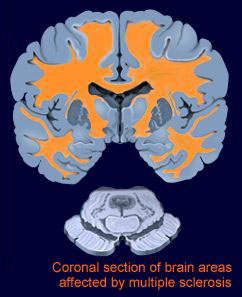 In their
 Dr. Susan Levy reviewed charts for 284 patients at the Regional Autism Center, which is associated with The Children’s Hospital of Philadelphia. She found that 32% of the children were using CAM.
 “The data that we have now is they don’t seem to work,”
 According to a study presented at the American Society of Anesthesiologists 2007 Annual Meeting, about 1 in 4 people with chronic pain also have inadequate blood levels of vitamin D.
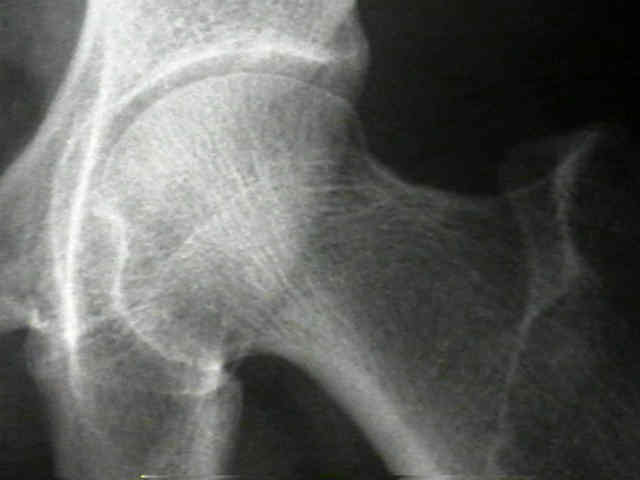 Researchers from the University of Western Sydney in Australia
 And half of the brands failed the test for folic acid.
 The National Healthy Mothers, Healthy Babies Coalition has
 High concentrations of homocysteine in the blood (hyperhomocysteinemia) have been linked to an increased risk for cardiovascular (CV) disease for almost 40 years!
 Let’s see what the Cochrane Collaboration reveals.
 It’s associated with a significant reduction in the rate of neural-tube defects (eg, spina bifida) in Canada.
 An
 Adequate calcium intake (along with adequate vitamin D status) reduces bone loss in peri- and postmenopausal women and reduces fractures in postmenopausal women older than age 60 with low calcium intake.
 A news
 It’s used to treat a broad range of diseases, but nobody believes enough in the formula to do a controlled clinical study.
 I received some emails promoting Nature Made CholestOff. It contains plant extracts called phytonutrients, specifically phytosterols and phytostanols. They work by reducing the absorption of LDL “bad” cholesterol and total cholesterol from the intestines.
 Dave in Minnesota writes, “Does it prevent colds?”