 American Family Physician has published a review of vitamin D deficiency, with recommendations. Continue reading Recommended doses of vitamin D
Category Archives: Vitamin D
Relationship between Vitamin D deficiency and kidney disease in blacks
 Low blood levels of vitamin D may account for much of the increased risk for end stage kidney disease among black individuals, according to this study by researchers in the US. Continue reading Relationship between Vitamin D deficiency and kidney disease in blacks
Vitamin D reduces the risk of falls in older adults
 Researchers from the University Hospital Zurich, in Switzerland reviewed the evidence. Continue reading Vitamin D reduces the risk of falls in older adults
Vitamin D and mother-to-child transmission of HIV
 There is preliminary evidence of an association between low vitamin D blood levels and a higher risk, according to this study at Muhimbili University of Health and Allied Sciences, in Dar es Salaam, Tanzania. Continue reading Vitamin D and mother-to-child transmission of HIV
Multivitamins and the risk of death
 Â There’s little effect, according to researchers at the Fred Hutchinson Cancer Research Center, in Seattle, Washington.
Should we be surprised? Continue reading Multivitamins and the risk of death
Summarizing recent vitamin D research
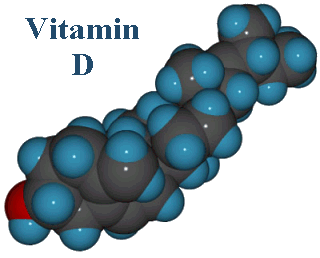 Â New recommendations for daily intake of vitamin D are due to be released in 2010
For now, Dr. Sandra Fryhofer from Emory University School of Medicine, in Atlanta, Georgia presents an audio review of the status of vitamin D research and expectation. Continue reading Summarizing recent vitamin D research
Vitamin D is not associated with decreased melanoma risk
At the Society for Investigative Dermatology meeting, researchers from Kaiser Permanente, in Oakland, California reported some confusing findings.
Melanoma is a serious form of skin cancer. Although it accounts for only 4% of skin cancer cases, it causes most skin cancer-related deaths. The good news is that it’s curable if caught early. Continue reading Vitamin D is not associated with decreased melanoma risk
Vitamin D and the risk of basal cell skin cancer
 Reporting at the Society for Investigative Dermatology meeting, researchers from Stanford University Medical Center, in California found an association between a lower risk of basal cell carcinoma over 5 years and higher blood levels of vitamin D.
Basal cell carcinoma is the most common skin cancer. Statistically, approximately 3 out of 10 Caucasians develop a basal cell cancer during their life. Continue reading Vitamin D and the risk of basal cell skin cancer
Vitamin D, muscle function, and adolescent girls
 The objective of this study was to investigate the relationship between vitamin D blood levels [25(OH)D] and parathyroid hormone (PTH) vs muscle power and force in girls attending secondary schools. Continue reading Vitamin D, muscle function, and adolescent girls
Searching for the correct dose of vitamin D
In adults, vitamin D deficiency is associated with osteopenia, osteoporosis, muscle weakness, fractures, cancer, autoimmune diseases, infectious diseases and cardiovascular diseases. And adequate doses might reduce the risk of certain cancers and type 1 diabetes.
The current recommendation of 5 mcg (200 IU) may be too little, according to researchers in Maine and South Carolina. Continue reading Searching for the correct dose of vitamin D
Vitamin D deficiency in American adolescents
 Changing the definition of vitamin D deficiency resulted in an increased prevalence from 2% to 14%.
Here are the results from the National Health and Nutrition Examination Survey III. Continue reading Vitamin D deficiency in American adolescents
Biggest winner in CAM for 2008
Vitamin D, of course.
A PubMed search revealed 146 studies in humans during 2008 for a dizzying list of conditions. Continue reading Biggest winner in CAM for 2008
Update on vitamin D
Researchers from the Medical University of South Carolina in Charleston have published a detailed review.
Their interest relates to the needs of vitamin D in the breastfeeding mother and her infant and child, but they also present a detailed and well-referenced review. Continue reading Update on vitamin D
New recommendations for vitamin D in pediatrics
The American Academy of Pediatrics has doubled the recommended daily vitamin D intake from 200 IU to 400 IU for infants, children, and adolescents. Continue reading New recommendations for vitamin D in pediatrics
Shortcomings of vitamin D research
Yes, there has been considerable progress in understanding the health effects of vitamin D.
Is it time to update the US Dietary Reference Intakes for vitamin D, which were developed in 1997? Continue reading Shortcomings of vitamin D research
Vitamin D research for 2008
There’s so much interest in vitamin D it could use its own blog.
Here’s what I found for the first half of 2008. Continue reading Vitamin D research for 2008
The need for vitamin D in people with epilepsy
During the First North American Regional Epilepsy Congress, researchers from the University of Texas reported that men with epilepsy who take enzyme-inducing antiepileptic drugs (AEDs) have lower levels of vitamin D and calcium, plus higher parathyroid hormone (PTH) levels.
The AEDs involved included the following.
Continue reading The need for vitamin D in people with epilepsy
Vitamin D fails to stop geriatric hospital patients from falling
However, it’s important to compare this study design to what has been reported in the past. Continue reading Vitamin D fails to stop geriatric hospital patients from falling
The risk of vitamin D deficiency in people with epilepsy
Research presented during the American Epilepsy Society 61st Annual Meeting shows that almost half of all people with epilepsy are vitamin D deficient. Continue reading The risk of vitamin D deficiency in people with epilepsy
How vitamin D might protect from colon cancer
According to researchers from the National Institutes of Health in Bethesda, Maryland, there was no association between 25-hydroxy vitamin D (25(OH)D) and total cancer deaths. But higher blood levels of 25(OH)D levels were associated with lower mortality due to colorectal cancer.
More interesting is the possible reason for this effect. Continue reading How vitamin D might protect from colon cancer