Peripheral neuropathy is the most common neurological complication in HIV, and it’s often associated with antiretroviral therapy. Patients experience muscle weakness and atrophy, pain, and numbness.
Fatigue and impaired daytime functioning, confusion, altered timing of bowel movements, and sleep disturbance are all signs of jet lag. An article on Medscape lists options to manage jet lag.
The article covers many treatment options. CAM options are listed here.
Here’s a report (see page 113) from the 2007 Multidisciplinary Head and Neck Cancer Symposium.
Researchers at the North Central Cancer Treatment Group (NCCTG) conducted a double-blind, placebo-controlled trial to determine the value of zinc in preventing taste alterations (dysgeusia) in patients with head and neck cancer who were undergoing radiation therapy.
Here are the details.
169 patients randomly assigned to zinc sulfate 45 mg by mouth 3 times/day, vs placebo administered throughout radiation to the posterior oropharynx and for one month after.
81% of patients experienced taste alterations: 61 of those taking zinc and 71 taking placebo.
Time to taste alteration was 2.3 weeks with zinc vs 1.6 weeks in the placebo arm.
Although patients taking zinc had a delay in the onset of altered taste, the difference was not statistically significant. Therefore, the researchers concluded that zinc at the doses studied failed to prevent taste alterations in patients undergoing radiation-based treatment regimens for head and neck cancer.
The results differ from an earlier study in patients with dysgeusia that was not associated with cancer or other diseases.
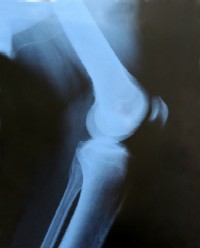
A literature review by two researchers at York University in Toronto “suggest[s] that omega-3 PUFAs are an attractive adjunctive treatment for joint pain associated with rheumatoid arthritis, inflammatory bowel disease, and dysmenorrhea [painful menstruation].”
Results were positive for most measures of outcome.
In two studies here and here, a supplement called FertilityBlend increased the rate of pregnancy in women who had tried unsuccessfully to conceive for 6 to 36 months.
Indomethacin (Indocin) can cause serious intestinal side effects including inflammation, bleeding, and ulcers. So, if you’re going to test the value of a supplement that claims to protect the intestines, what better than to see if it protects against indomethacin side effects.
That’s right. Treatment with beta-carotene, vitamin A, and vitamin E might increase mortality. The potential roles of vitamin C and selenium on mortality need further study.
These are the findings from the latest literature review and analysis published in The Journal of the American Medical Association (JAMA).
The Oncology Nursing Society has posted a table that summarizes CAM studies on the treatment of nausea and vomiting in cancer patients. The studies were published between 1988 and 2005.
The average person consumes 25 to 50 mg of quercetin a day. In this double-blind study, 20 cyclists took 1,000 mg of quercetin a day or placebo for five weeks.
In her book,The Natural History of Medicinal Plants, Dr. Judith Sumner states, “Now, about 40% of all medicinal prescriptions in the United States contain at least one plant-derived ingredient, and European physicians routinely recommend to their patients herbs such as chamomile and coneflower.”
Here’s a report from India that gives insight into the extensive work being done by just one group of researchers to identify new drugs from plants.
These researchers observed an association between anxiety disorders and substance abuse. They also observed that substance abusers tend to have poor dietary habits.
Using soy foods to replace foods high in animal protein that contain fat and cholesterol might help improve cholesterol levels and confer benefits to cardiovascular health in postmenopausal women.
Lipids Online has a good summary of a study just published in the journal, Menopause.
Did you know that when it debuted in 1911, Crisco, the queen (oops; sexist reference) of trans fat products, was hailed as a healthful alternative to butter and lard.
Times have changed, and Crisco has eliminated trans fats from its formula.
This doesn’t automatically mean it’s healthy. We’ll see if the change is for the better.
1/27/07 00:16 JR
Complementary and Alternative Medicine: Fair, Balanced, and to the Point
 Peripheral neuropathy is the most common neurological complication in HIV, and it’s often associated with antiretroviral therapy. Patients experience muscle weakness and atrophy, pain, and numbness.
 Fatigue and impaired daytime functioning, confusion, altered timing of bowel movements, and sleep disturbance are all signs of jet lag. An
 Here’s a
 A literature review by two researchers at York University in Toronto “suggest[s] that omega-3 PUFAs are an attractive adjunctive treatment for joint pain associated with rheumatoid arthritis, inflammatory bowel disease, and dysmenorrhea [painful menstruation].”
 There is evidence for a protective role of vitamin E treatment in the prevention of heart disease. But is it for everyone?
 In two studies
 Libertarians complain that success in the trans fat wars (
 This topic is
 Indomethacin (Indocin) can cause serious intestinal side effects including inflammation, bleeding, and ulcers. So, if you’re going to test the value of a supplement that claims to protect the intestines, what better than to see if it protects against indomethacin side effects.
 Yes, they do. But published evidence that they reduce weight is in short supply.
 That’s right. Treatment with beta-carotene, vitamin A, and vitamin E might increase mortality. The potential roles of vitamin C and selenium on mortality need further study.
 The results of this
 The Oncology Nursing Society has
 Quercetin
 s?
 In her
 Medical students have a long-standing interest in learning more about CAM.
 These researchers
 Using soy foods to replace foods high in animal protein that contain fat and cholesterol might help improve cholesterol levels and confer benefits to cardiovascular health in postmenopausal women.
 Did you know that when it debuted in 1911, Crisco, the queen (oops; sexist reference) of trans fat products, was