A recent study in The Lancet medical journal found that over the long term, it appears that taking folic acid improves cognitive function (eg, perception, memory, judgment, and reasoning) in older adults.
During the most recent meeting of the American College of Chest Physicians Dr. Paul Blanc from the University of California at San Francisco reported that half of all people with asthma use CAM.
Omega-3 fatty acid consumption has been linked to reductions in the risk of death from heart disease.
Now, researchers from the University of Missouri-Kansas City School of Medicine report that omega-3 acts directly on the heart rather than acting through the vagus nerve, which normally regulates the heart rhythm.
Research conducted in Malaysia and at Brandeis University shows that a new method of modifying fat in commercial products to replace unhealthy trans fats actually raises blood sugar levels and lowers insulin in humans — common precursors to diabetes.
A quick Google search (“soy” and “blood pressure”) reveals the predominant view that soy has positive effects on the heart and significant (but mild) blood pressure lowering action in people with high blood pressure.
In 1993, Senator Orrin Hatch said, “most of these [herbal remedies] have been on the market for 4,000 years, and the real issue is risk. And there is not much risk in any of these products.”
Previous studies on the effect of soy isoflavones on bone health have been disappointing. So, a positive response to soy isoflavones on the bone mineral density (BMD) of the lumbar spine and femoral neck is of interest.
The University of Arizona Cooperative Extension has an excellent review of calcium supplements. It is well written, thorough, and concise — just 4 pages long. The part I like best is the discussion of the difference between elemental and total calcium.
Dr. Steven Thomas and his team from the University of Bristol in the U.K. found that neither dietary modifications nor nutritional supplements such as vitamins, antioxidants, retinol, and garlic alter the disease course of patients with cancer or preinvasive (precancerous) lesions. Their conclusion is based on an analysis of 59 generally low quality trials.
“We should not,” Dr. Thomas concluded, “maintain the notion that nutritional interventions can be promoted because at least they will do no harm.”
The results from a just published study of U.S. girls (9 to 15 years of age) reveals that greater consumption of milk is associated with the severity of acne.
The Fat Man has an entire blog called Ban Trans Fat Now that’s (surprise!) dedicated to banning trans fats. There’s also an excellent web site called Ban Trans Fats.
Everything from how bad it is, to who’s banning it now, to trans fat free diets, and more.
Guess they’re not worried about the libertarian considerations.
The journal Archives of Neurology just published a observational survey where it appears that “individuals who take in higher levels of the nutrient folate through both diet and supplements may have a reduced risk of developing Alzheimer’s disease.”
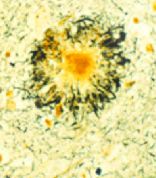 A recent study in The Lancet medical journal found that over the long term, it appears that taking folic acid improves cognitive function (eg, perception, memory, judgment, and reasoning) in older adults.
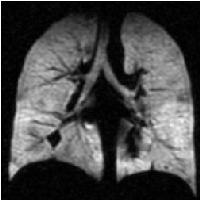 During the most recent meeting of the American College of Chest Physicians Dr. Paul Blanc from the University of California at San Francisco reported that half of all people with asthma use CAM.
 Omega-3 fatty acid consumption has been linked to reductions in the risk of death from heart disease.
 Research conducted in Malaysia and at Brandeis University shows that a new method of modifying fat in commercial products to replace unhealthy trans fats actually raises blood sugar levels and lowers insulin in humans — common precursors to diabetes.
 Medical News Today has the 10 most common myths about diet and exercise.
 In 1993, Senator Orrin Hatch said, “most of these [herbal remedies] have been on the market for 4,000 years, and the real issue is risk. And there is not much risk in any of these products.”
 Previous studies on the effect of soy isoflavones on bone health have been disappointing. So, a positive response to soy isoflavones on the bone mineral density (BMD) of the lumbar spine and femoral neck is of interest.
 The product is sold only in California. It comes in an opaque plastic container with no lot number or expiration date.
 MayoClinic.com has
 The University of Arizona Cooperative Extension has an excellent
 Since May, two publications (one
 The February issue of The Journal of Pain will publish an article about the response to caffeine in 9 women following exercise.
 The results from a just published
 The Cochrane Collaboration has