The European Prospective Investigation into Cancer and Nutrition (EPIC) is designed to investigate the relationship between diet and cancer. It’s a multicenter study of more than 500,000 adults in 23 centers from 10 European countries.
There’s some evidence that cranberry juice may decrease the number of symptomatic urinary tract infections (UTIs), particularly in women with recurrent UTIs, according to this Cochrane review.
In her book, Queen of Fats, medical writer Susan Allport contends that for optimum health and disease prevention, the balance should be one to four times more omega-6 fatty acids than omega-3 fatty acids.
The evidence confirms its antibacterial properties and additional beneficial effects of medical honey on wound healing, according to this article published in Evidence-based Complementary and Alternative Medicine.
Several studies suggest that garlic has beneficial effects on risk factors associated with heart disease. MayoClinic.com even gives it a “B” rating (good scientific evidence for this use) based on studies lasting up to 12 weeks.
Soy food intake in the amount consumed by Asian populations may have protective effects against breast cancer, according to researchers at the University of Southern California in Los Angeles. Continue reading Dietary soy and breast cancer risk→
Federal regulations allow food labels to say there are zero grams of trans fat as long as there’s less than a half-gram per serving, according to this AP story.
During the First North American Regional Epilepsy Congress, researchers from the University of Texas reported that men with epilepsy who take enzyme-inducing antiepileptic drugs (AEDs) have lower levels of vitamin D and calcium, plus higher parathyroid hormone (PTH) levels.
A study of more than 2000 non-demented individuals conducted in 2006 concluded that better adherence to the Mediterranean diet was associated with a lower risk for Alzheimer’s disease.
A published (and widely circulated in the lay press) study by researchers at Lund University in Sweden reported that high folate intake by women 50 years and older was associated with a lower incidence of postmenopausal breast cancer.
An article published by John Borneman and Robert Field on the Hyland’s website (and here) provides insight to the regulatory differences between these drug categories in the US.
A study in The Journal of Clinical Endocrinology & Metabolism reveals that dieting alone is as effective at reducing weigh and fat as a combination of diet and exercise — as long as the calories consumed and burned are equal.
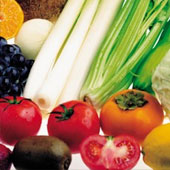
Michael Pollan, writing in The New York Times Magazine advises, “If you’re concerned about your health, you should probably avoid food products that make health claims. Why? Because a health claim on a food product is a good indication that it’s not really food, and food is what you want to eat.
 The European Prospective Investigation into Cancer and Nutrition (EPIC) is designed to investigate the relationship between diet and cancer. It’s a multicenter study of more than 500,000 adults in 23 centers from 10 European countries.
 There’s some evidence that cranberry juice may decrease the number of symptomatic urinary tract infections (UTIs), particularly in women with recurrent UTIs, according to this Cochrane
 According to this
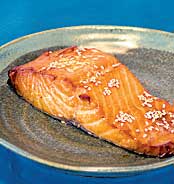 In her book, Queen of Fats, medical writer Susan Allport
 Researchers from the University of Medicine and Dentistry of New Jersey
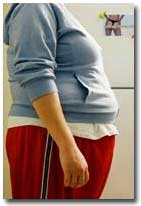 Medical News Today has an
 An enzyme called nattokinase can be extracted from natto, a vegetable cheese-like food that is popular in Japan.
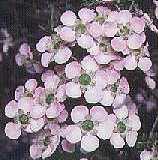 The evidence confirms its antibacterial properties and additional beneficial effects of medical honey on wound healing, according to this
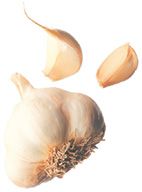 Several studies suggest that garlic has beneficial effects on risk factors associated with heart disease. MayoClinic.com even
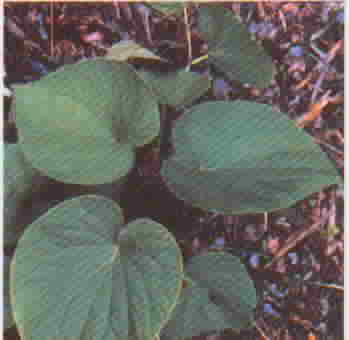 A review published in American Family Physician covers a broad range of herbal and dietary supplements for treating anxiety disorders.
 Soy food intake in the amount consumed by Asian populations may have protective effects against breast cancer,
 Federal regulations allow food labels to say there are zero grams of trans fat as long as there’s less than a half-gram per serving, according to this AP
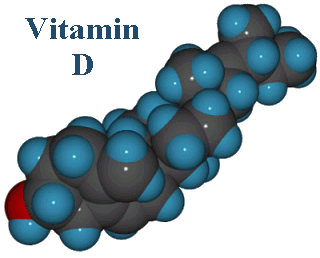 During the First North American Regional Epilepsy Congress, researchers from the University of Texas reported that men with epilepsy who take enzyme-inducing antiepileptic drugs (AEDs) have lower levels of vitamin D and calcium, plus higher parathyroid hormone (PTH) levels.
 A
 A published (and widely circulated in the lay press)
 An
 A
 Michael Pollan, writing in The New York Times Magazine advises, “If you’re concerned about your health, you should probably avoid food products that make health claims. Why? Because a health claim on a food product is a good indication that it’s not really food, and food is what you want to eat.