 Vitamin E seems to make a positive contribution in certain people with diabetes, according to this study by researchers at Technion-Israel Institute of Technology in Haifa. Continue reading Vitamin E, diabetes, and heart disease
Category Archives: E. DIETARY
Focusing on how black tea might protect from heart disease and stroke
 The UC Berkeley Wellness Letter tells us, “There’s some evidence that tea drinking is associated with a reduced risk of heart attack. But it’s too soon to recommend tea as a way to prevent heart attacks.”
OK, but researchers from the UK have identified 2 possible protective mechanisms. The results are interesting because they go beyond simply stating that tea has “antioxidant” effects. Continue reading Focusing on how black tea might protect from heart disease and stroke
What’s the long term effect of salt restriction on your health?
 Lowering sodium in your diet will lower your blood pressure, but what about other cardiovascular benefits?
New data suggest, “Sodium reduction … may also reduce long term risk of cardiovascular events.” Continue reading What’s the long term effect of salt restriction on your health?
Is organic food healthier?
 According to Claire Williamson, a nutrition scientist for the British Nutrition Foundation, “There appears to be a perception among many consumers that organic foods are more nutritious… However, to date there are limited data to support this view.”
But, there are some exceptions. Continue reading Is organic food healthier?
Complementing dieting with counseling
 The authors of this study at the University of Pittsburgh School of Nursing in Pennsylvania tell us that the type of diet is important.
But there’s more to discuss here than just dieting. Continue reading Complementing dieting with counseling
Almost the definitive study on bone health in postmenopausal women
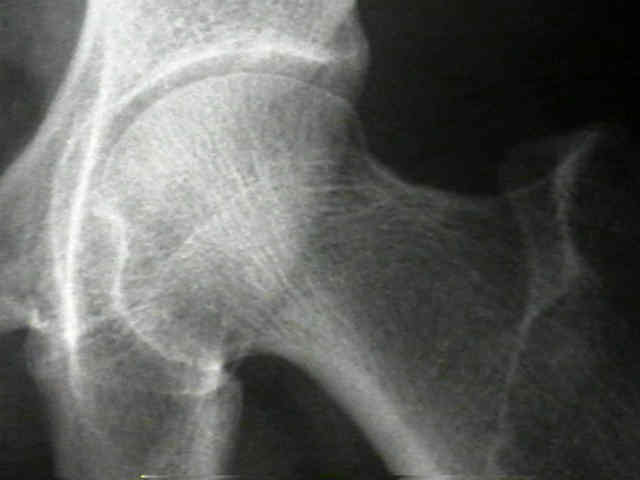 Treatment with genistein — a naturally occurring estrogen in soybeans — has the potential to regulate bone metabolism without harmful estrogenic activity in the breast and uterus,” says Dr. Herbert Marini from the University of Messina in Italy.
In this study, genistein had positive effects on bone health in postmenopausal women who had evidence of bone wasting.
Unfortunately, they didn’t measure fracture rate. Continue reading Almost the definitive study on bone health in postmenopausal women
The latest on flaxseed oil in diabetes
 MayoClinic.com says, “Studies of the effect of flaxseed on blood sugar levels report mixed results. Flaxseed cannot be recommended as a treatment for diabetes at this time.”
But that was in February. Now it’s May. And here are the latest findings. Continue reading The latest on flaxseed oil in diabetes
What do parents know about omega 3?
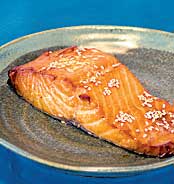 A lot of bandwidth and newsprint have been spent spreading the word about the benefits of omega-3 fatty acids.
Apparently, few parents are reading. Continue reading What do parents know about omega 3?
Judging organic food based on miles to grocery store
A study from the University of Alberta concluded that the environmental impact of food-miles racked up by organic produce when making the trip from farm to grocery store cancels out the benefits of growing it according to organic principals. Continue reading Judging organic food based on miles to grocery store
Make Your Calories Count
 The FDA has developed an interactive online learning program that is also available in a downloadable format. It’s designed to help consumers understand and use the Nutrition Facts label in planning a healthy diet while managing calorie intake.
I think it might be most useful for teachers and nutritionists in their educational activities.
Effect of pistachio nuts on cholesterol levels
 In 2003, the FDA stated, “Scientific evidence suggests, but does not prove, that eating 1.5 ounces per day of most nuts, such as pistachios, as part of a diet low in saturated fat and cholesterol may reduce the risk of heart disease.”
This study supports that statement. Continue reading Effect of pistachio nuts on cholesterol levels
Milk thistle, iron, and hepatitis C
 Milk thistle is used as an alternative therapy for liver disease.
Researchers in Seattle, Washington examined the effect of silybin on iron status in patients with hepatitis C. Continue reading Milk thistle, iron, and hepatitis C
Another review of CAM options for bipolar disorder
 St. John’s wort (Hypericum perforatum) and S-adenosyl-l-methionine (SAMe) top the list, according to this review from the University of Pittsburgh School of Medicine in Pennsylvania. Continue reading Another review of CAM options for bipolar disorder
Do weight loss claims = disease claims?
 In April, GlaxoSmithKline filed a citizen’s petition with the FDA asking the agency to treat weight loss claims for dietary supplements as disease claims.
This doesn’t sit well with the supplements industry, but is the right thing to do? Continue reading Do weight loss claims = disease claims?
ConsumerLab tests iron supplements
 You’ll have to join to get more details, but here are the top line findings. Continue reading ConsumerLab tests iron supplements
Ketogenic diet improves drug-resistant epilepsy
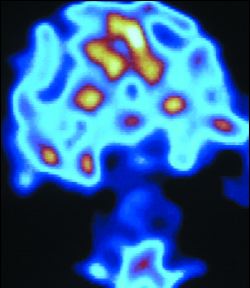 Researchers from the Institute of Child Health in London tested the ketogenic diet in a randomized controlled trial. Continue reading Ketogenic diet improves drug-resistant epilepsy
Getting toxic from drinking tea
 In an earlier post I stated that tea “has low toxicity.”
That’s still true, but here are some people who developed toxicity from drinking too much tea. Continue reading Getting toxic from drinking tea
Feeling depressed? Start taking a vitamin
Studies dating back more than 15 years suggest that people with depression are likely to have low blood levels of folic acid (or folate) and vitamin B12.
Of course, not all of the researchers have come to the same conclusion. But to start, here’s a summary of the most positive analysis of folic acid and B12.
Status of curcumin for Alzheimer’s disease
 Two doctors from the VA Medical Center in Sepulveda, California have written a review of curcumin (turmeric) and Alzheimer’s disease (AD).
Anyone looking for evidence of the effectiveness of curcumin when taken by people with AD will be disappointed. Continue reading Status of curcumin for Alzheimer’s disease
Chocolate slows your ability to clot blood, a little
 Volunteers in a study reported on Medscape were told not to do things known to slow the clotting of blood by inhibiting platelet function.
But some just couldn’t stop eating chocolate. Continue reading Chocolate slows your ability to clot blood, a little