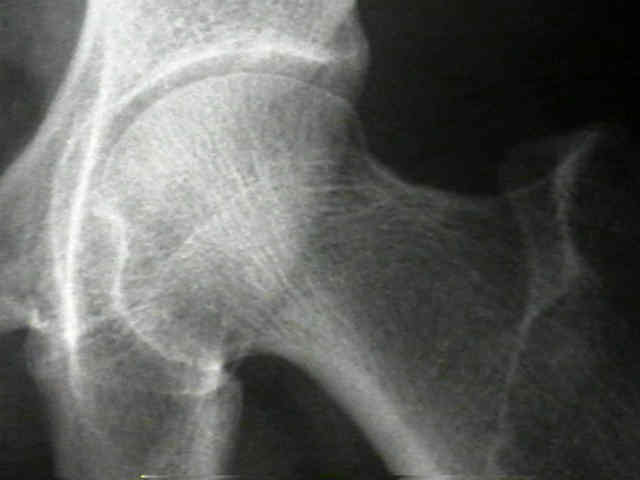
 And the difference in risk between taking calcium-only vs calcium with vitamin D is small and not statistically significant, according to researchers in Australia. Continue reading Calcium lowers fracture risk … if you actually take it
Category Archives: E. DIETARY
Benefits of a vegan diet for rheumatoid arthritis
 Dietary manipulation helps people regain a sense of control over their disease.
In addition, researchers from the Karolinska Institutet in Stockholm, Sweden report changes that might be beneficial. Continue reading Benefits of a vegan diet for rheumatoid arthritis
Coffee and the risk of gout
 Contrary to popular thinking, drinking more coffee appears to lower the risk. Continue reading Coffee and the risk of gout
Update: Grapefruit juice:Rx drug interactions
 According to Dr. William McCloskey, the likelihood of drug:grapefruit juice interactions having a negative effect on a patient’s response to the drug has not been clearly established.
This might be due to the fact that many drugs affected by grapefruit juice have a wide therapeutic index. In other words, toxic blood levels are so much higher than the blood levels needed to achieve an effective treatment dose that any increase caused by grapefruit juice is not sufficient to reach toxicity.
That’s not to say there is no risk of a grapefruit juice:drug interaction.
Unfortunately, the source article has been deleted, but here’s the bottom line. If you take any of the drugs listed below and feel you must drink grapefruit juice, first discuss it with your doctor.
- Amiodarone (Cordarone)
- Atorvastatin (Lipitor)
- Buspirone (Buspar)
- Carbamazepine (Tegretol)
- Clomipramine (Anafranil)
- Cyclosporine (Sandimmune, Neoral)
- Diazepam (Valium)
- Etoposide (VePesid)
- Felodipine (Plendil)
- Fexofenadine (Allegra)
- Itraconazole (Sporanox)
- Lovastatin (Mevacor)
- Methadone (Methadose)
- Midazolam (Versed)
- Nicardipine (Cardene)
- Nifedipine (Procardia)
- Nimodipine (Nimotop)
- Nisoldipine (Sular)
- Saquinavir (Invirase)
- Sildenafil (Viagra)
- Simvastatin (Zocor)
- Triazolam (Halcion)
3/19/08 11:13 JR
The association between folic acid deficiency and cleft palate
Norway has one of the highest rates of facial clefts in Europe and does not allow foods to be fortified with folic acid.
Now, it appears that this decision was a fateful one.
Continue reading The association between folic acid deficiency and cleft palate
An academic allopathic view of CAM options for arthritic pain

Dr. Eric Ruderman, Associate Professor of Medicine in the Division of Rheumatology at Northwestern University Feinberg School of Medicine in Chicago has published a review on Medscape, with lots of space devoted to CAM: exercise, acupuncture, and nutritional supplements. Continue reading An academic allopathic view of CAM options for arthritic pain
Using omega-3 fatty acid supplementation in patients with recurrent self-harm
 This study concludes that omega 3 fatty acid supplementation contributes to substantial reductions in surrogate markers of suicidal behavior and improvements in well-being. Continue reading Using omega-3 fatty acid supplementation in patients with recurrent self-harm
Banned in Boston
 Boston on Thursday became the latest city to ban artificial trans fats from food served in restaurants and grocery stores.
It’s no longer news, except for this quote. Continue reading Banned in Boston
Debating the effects of vitamin E on cancer risk
In a recent study of more than 77,000 adults, there was no evidence that vitamin E could protect from getting cancer. The details were summarized here.
But the food industry takes a different view. Continue reading Debating the effects of vitamin E on cancer risk
Fatty acids and behavior in adolescents with ADHD
 This study shows that there are metabolic differences in the way that adolescents with attention-deficit hyperactivity disorder (ADHD) handle dietary fatty acids compared to young people without ADHD. Continue reading Fatty acids and behavior in adolescents with ADHD
Is there a reliable way to prevent or treat alcohol hangover?
 Yes, but you might be disappointed.
Continue reading Is there a reliable way to prevent or treat alcohol hangover?
ConsumerLab reviews vitamin C products
 They tested 27 brands and found one supplement provided just 44% of its labeled vitamin C. Continue reading ConsumerLab reviews vitamin C products
The potential of green tea extract as a fat burner
 Known as Polyphenon E, green tea extract is made from decaffeinated green tea, and contains catechins (antioxidants). It’s approved by the FDA to treat genital warts and is being studied to treat prostate cancer.
In healthy people, might it be used to help burn fat? Continue reading The potential of green tea extract as a fat burner
Flaxseed for menopausal symptoms and more
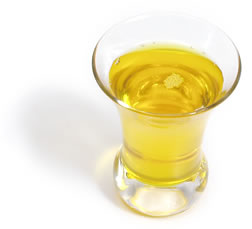 One study reports on flax and flaxseed oil in menopausal women, the second conducts a general review of the literature.
One study is positive; the other is not. Continue reading Flaxseed for menopausal symptoms and more
The pros and cons of folic acid fortification of foods
 Fortifying food, such as wheat and corn flour, with folic acid reduces the risk of spina bifida in babies.
This public health practice was introduced 10 years ago in North America. Now, that practice is being debated in the UK and worldwide. “Are the benefits to the few outweighed by possible harm to some of the many exposed? Continue reading The pros and cons of folic acid fortification of foods
Preventing Falls: What Works
 That’s the title of a new CDC book, which presents “specific interventions that have rigorous scientific evidence of effectiveness” in lowering the risk of falls among the elderly. Continue reading Preventing Falls: What Works
Organically grown tomatoes contain higher levels of flavonoids
 So far, demonstrating a nutritional advantage of organically grown food has been difficult.
Here’s a study that supports the added nutritional benefits of organic tomatoes. Continue reading Organically grown tomatoes contain higher levels of flavonoids
“No credible evidence” for Airborne
 Airborne, the “natural” product that claims to prevent the onset of the common cold has agreed to pay $23.3 million to settle a lawsuit over false advertising. Continue reading “No credible evidence” for Airborne
Getting E. coli out of our food supply
 With reports of food poisoning and food recalls, it’s good to know there’s a process that might make our food safer.
Electrolyzed water systems
Continue reading Getting E. coli out of our food supply
Consumer alert: Aspire36 and Aspire Lite Dietary Supplements
 Guess what was found? Continue reading Consumer alert: Aspire36 and Aspire Lite Dietary Supplements