Researchers at The Ohio State University, Columbus, studied fatty acid intake in relation to osteoporotic fractures. Continue reading Fatty acids and the risk of fracture in women →
Researchers at the University of the Western Cape, in Cape Town, South Africa, looked for changes in adults with sputum smear–positive pulmonary tuberculosis. Continue reading Vitamin A and zinc to treat tuberculosis →
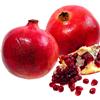
determined if pomegranate juice improved the recovery of skeletal muscle strength after eccentric exercise in subjects who routinely performed resistance training.
Eccentric exercise causes muscles to lengthen while lower a weight. Continue reading Effect of pomegranate juice following exercise →
Researchers at Harbor-UCLA Medical Center, in Torrance, California, hypothesized that the anti-inflammatory benefits of higher dietary intake of omega-3 compared with omega-6 polyunsaturated fatty acids might lower inflammatory processes and decrease the risk of death. Continue reading The omega-6 to -3 ratio and survival in hemodialysis patients →
studied the risk for an herbal:warfarin interaction in patients with non-valvular atrial fibrillation. Continue reading Effects of herbals on warfarin therapy →
During the American Society of Clinical Oncology meeting, researchers at various centers in the US reported their findings. Continue reading Evaluating flaxseed to treat hot flashes →
ranked 20 diets with input from a panel of health experts. Continue reading Best diets →
studied the response to soy hypocotyl isoflavone supplementation in healthy menopausal women.
In the plant seed, the hypocotyl connects the embryonic root to the seed leaf. Continue reading Long-term response to soy isoflavones →
reviewed the evidence for calcium in reducing the recurrence of adenomas (benign tumors) and the occurrence of colorectal cancer. Continue reading Review: Supplemental calcium to prevent colorectal cancer →
Researchers at Centre Clermont-Ferrand–Theix, in France, studied whether these effects might be related to hesperidin, the major polyphenol of the orange juice. Continue reading Beneficial effects of OJ on blood vessels and blood pressure →
evaluated whether 13 vitamin and mineral supplements and glucosamine, chondroitin, saw palmetto, Ginkgo biloba , garlic, fish-oil, and fiber supplements were associated with total mortality.
The results with glucosamine and chondroitin are most interesting. Continue reading Risk of death and the use of supplements →
reports that the Obama Administration is getting ready to ditch the Food Pyramid, a symbol of healthy eating for the last 2 decades. Continue reading End of the food pyramid →
This Cochrane review evaluated the effect of vitamin A supplementation in children aged 6 months to 5 years. Continue reading Vitamin A supplements prevent morbidity and mortality in children →
Japanese researchers conducted the first study designed to assess the relationship between green tea and depressive symptoms in a community population. Continue reading Drinking green tea and the risk of depression →
Researchers at the Université de Montréal, in Quebec, studied the short-term effect of omega-3 supplementation in reducing depressive symptoms in patients experiencing a major depressive episode. Continue reading Omega-3 to treat major depression →
according to researchers at Duke University Medical Center, in Durham, North Carolina. Continue reading The value of nutritional supplements in older adults →
recalled Pentrexyl Forte Natural because the packaging is believed to be misleading — causing it to be confused with an antibiotic.
Continue reading Consumer Alert: Pentrexyl Forte Natural →
reviewed the effects of nut consumption on blood lipid levels and the ability of different factors to modify the response. Continue reading Benefits on cholesterol of eating nuts →
Posts navigation
Complementary and Alternative Medicine: Fair, Balanced, and to the Point
 Fatty acids may be important dietary components that modulate osteoporotic fracture risk.