report that obese children lose weight when their parents receive training on nutrition, exercise, and behavior management.
It also helps when the kids participate. Continue reading Educating families to keep their kids fit →
Yes, according to researchers at the University of Minnesota. Continue reading Self-weighing helps overweight adolescents →
report there’s no relationship between meat preparation methods and the risk of postmenopausal breast cancer. Continue reading Eating meat and the risk of breast cancer →
During the International Conference on Alzheimer’s Disease, researchers from Utah State University, in Logan reported it appears to slow cognitive decline — if you can stick with it. Continue reading DASH diet and its effect on cognitive decline →
reviewed the evidence.
But, there are limits over what can be claimed by manufacturers. Continue reading Effects of green tea on weight loss →
Here are 6 steps to improving your odds, according to this study by researchers in Boston. Continue reading Healthy living lowers the risk of heart disease →
evaluated the evidence for adding nutritional and herbal medicines to antidepressants, mood stabilizers, and benzodiazepines. Continue reading Should we add CAM to Rx treatments? →
report of an unusual case of verapamil (Calan SR) toxicity. Continue reading Interaction between grapefruit juice and verapamil →
Here are her findings on herbal supplements used to treat fibromyalgia, osteoarthritis, and rheumatoid arthritis. Continue reading Herbals for arthritis and other musculoskeletal conditions →
studied the association between whole-grain intake and the risk of hypertension in adult men. Continue reading Whole grains lower the risk of high blood pressure →
recommendations from a meeting of experts in Australia where the evidence for dietary interventions to lower LDL (bad) cholesterol blood levels was reviewed. Continue reading Using diet to lower cholesterol →
written a continuing education article on herbals.
Here are the author’s take-away points, with additional references added. Continue reading Key points about commonly used herbals →
Continue reading Making “fast food” healthy →
here (then go to the “Barnes PM” link) and here . Continue reading The use of prayer as CAM →
results of this study by researchers in Finland are important because they reflect actual risk factors for heart disease. Continue reading Measurable benefits of berries in people →
Continue reading May is stroke month →
studied dietary, lifestyle, and metabolic risk factors.
Toping the list were smoking and high blood pressure. Continue reading Causes of death in the United States →
according to researchers from Duke University, in Durham, North Carolina in a press release.
What are the implications for school food programs? Continue reading The limits of choice in selecting healthy meals →
But research from the University of Chile, in Santiago suggests , “A folate fortification program could be associated with an additional risk of colon cancer.” Continue reading Caution on folic acid food fortification →
Here’s a comparison of their effects on cholesterol, and a practical application of walnuts to expand the food supply and create functional foods. Continue reading Walnuts vs fatty fish for cardiovascular protection →
Posts navigation
Complementary and Alternative Medicine: Fair, Balanced, and to the Point
 Researchers at the University of Florida in Gainesville report that obese children lose weight when their parents receive training on nutrition, exercise, and behavior management.
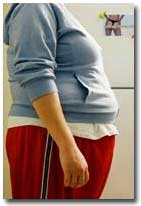 Should overweight teens be encouraged to weigh themselves?
 Â Researchers from Albert Einstein College of Medicine, in the Bronx, New York
 Â The Dietary Approaches to Stop Hypertension (DASH) is a diet rich in fruits and vegetables and low in salt, sweets, and red meats.
 Â Researchers from the Maastricht University, in The Netherlands
 The risk of heart failure at age 40 years is approximately 1 in 5.
 Â Researchers from the University of Queensland, in Australia
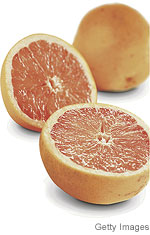 From the St. Louis College of Pharmacy, in Missouri comes this
 Ms. Meenakshi Khatta is a nurse practitioner and associate professor at the University of Maryland in Baltimore. Nurse Khatta has reviewed the use of CAM to treat pain due to musculoskeletal conditions.
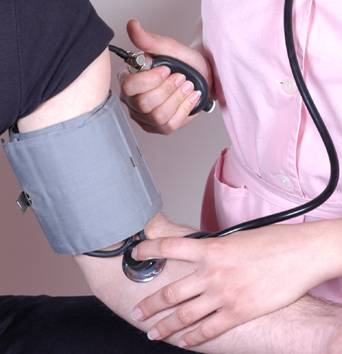 Â Researchers from Harvard School of Public Health, in Boston
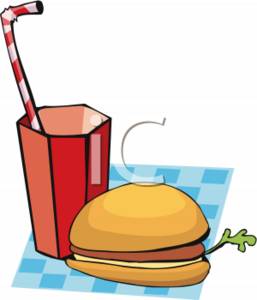 Â Burger King is promoting 3 new meal combinations as part of its BK Kids Meal options.
 The use of prayer is rarely queried in surveys of CAM use. Here are the highlights from a Centers for Disease Control survey on the use of CAM. It’s based on interviews with more than 31,000 adults. The report is available
 The
 Â So, here’s a list of studies on CAM and stroke that were published in the past year.