 What’s the effect of replacing sugar-sweetened beverages with alternatives in children and adolescents?
Researchers from Boston and New York calculated the caloric effect. Continue reading Calculating the benefits of water over sweetened soda
What’s the effect of replacing sugar-sweetened beverages with alternatives in children and adolescents?
Researchers from Boston and New York calculated the caloric effect. Continue reading Calculating the benefits of water over sweetened soda
 Memorial Sloan-Kettering Cancer Center in New York City has an active integrative medicine department. Entries on this blog related to studies and perspective by its faculty can be found here.
Now, researchers from Sloan-Kettering have categorized the beneficial and the potentially hazardous CAM options used by patients with cancer. Continue reading CAM: A Sloan-Kettering perspective
 Increased drinking of liquid calories from beverages has paralleled the obesity epidemic in the US.
Researchers at the Johns Hopkins Bloomberg School of Public Health, in Baltimore, Maryland examined how changes in beverage consumption affect weight change in adults. Continue reading Contribution of liquid calories to weight control
 Cardiologists have been telling patients for years to lose weight.
The extent to which weight loss and exercise augment the cardiovascular benefits of the DASH diet was impressive in this study presented during the American College of Cardiology 2009 Scientific Sessions. Continue reading Impressive response to diet + exercise in hypertension
 Â There’s evidence that obesity (among other factors) increases the risk for developing psoriasis.
But do obese psoriasis patients who lose weight respond better to pharmacologic treatment? Continue reading Weight lose and the response to psoriasis treatment
 Patients with breast cancer on adjuvant chemotherapy can experience weight gain and concurrent loss of muscle mass.
Researchers at the University of Texas, MD Anderson Cancer Center in Houston studied the feasibility and impact of home-based diet/exercise options. Continue reading Diet and exercise to prevent weight gain in breast cancer
 Diet combined with exercise can delay the onset of type 2 diabetes up to 14 years, according to researchers from the Centers for Disease Control and Prevention in Atlanta, Georgia and the China-Japan Friendship Hospital in Beijing, China. Continue reading Delaying the onset of diabetes
 A new product deemed a “medical food” by the Food and Drug Administration is now available in the United States. Continue reading Food to prevent Alzheimer’s disease?
  Researchers from Shahid Beheshti University in Tehran, Iran report it doesn’t make a difference in weight loss.
Others have come to a different conclusion. Continue reading Adding acupuncture to aid in weight loss
 Researchers from the University of Waterloo in Canada tell us that increased intake of omega-3 fatty acids “is associated with the decreased risk and incidence of several morbidities afflicting the elderly, including cognitive decline, dementia, rheumatoid arthritis, and macular degeneration.”
With that information, one would think maintaining omega-3 intake would be a priority. But is it? Continue reading Intake of omega-3 in nursing home residents
 Higher dietary intake of folate was associated with a lower prevalence of depressive symptoms in Japanese men but not women, according to researchers at the International Medical Center of Japan in Tokyo. Continue reading Effect of folate on depression in Japanese adults
There were positive effects on predictors of heart and kidney complications in diabetics with kidney disease. Continue reading Long-term effects of soy in diabetics
Weight loss is recommended in all major guidelines for antihypertensive therapy.
In this study from Germany, body weight and blood pressure (BP) were lowered with diet or orlistat (Xenical). Continue reading Benefits of diet in people with high blood pressure
 The Dietary Approaches to Stop Hypertension (DASH) diet lowers blood pressure, but what about its long-term effect on the risk of heart disease and stroke? Continue reading Long-term benefits of the DASH diet
 In this study by researchers in Canada and the US, combining several treatments under the umbrella of naturopathic care was better than simply giving advice. Continue reading Cost-effective naturopathic care for low back pain
 Obesity correlates with urinary incontinence. Might weight loss be an effective treatment?
Researchers from across the US decided to find out. Continue reading Lose weight, gain control over incontinence
It started January 19th, but it’s never too late to join in.
Here are several summaries posted over the past 2 years related to food preferences and the risk of allergy in infants. Continue reading Food allergy and intolerance week
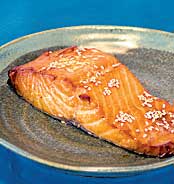 Â Researchers at Hopital La Colombiere in Montpellier, France tell us, “The observed health benefits of fish consumption in the elderly could be related not only to the increase in omega-3 fatty acid intake but also to other nutrients such as selenium.” Continue reading Are the benefits of eating fatty fish due to selenium?
 Â Since fortification of flour with folic acid started 10 years ago in the US, efforts have been taken to fortifying flour with vitamin B-12.
So, how prevalent is B-12 deficiency? Continue reading Prevalence of vitamin B-12 deficiency
 Here’s a follow-up to earlier posts here, here, and here on the use of CAM in the US as surveyed by the National Center for Complementary and Alternative Medicine (NCCAM). Continue reading Most commonly used CAM in the US