Epidemiological studies suggest that soy might be associated with a lower risk of certain chronic diseases. This has lead health regulatory agencies worldwide to approve food-labeling health claim for soy proteins.
During the Endocrine Society’s 91st Annual Meeting, researchers from the University of Minnesota reported that higher blood levels of vitamin D were associated with greater weight lose in obese volunteers on a calorie-restricted diet. Continue reading Effect of vitamin D on weight loss→
About 1 in 13 babies in the US is born weighing less than 5 pounds, 8 ounces (2,500 grams). They’re considered low birth weight and at increased risk of serious health problems.
The late physician/author of Jurassic Park, State of Fear, and ER was once asked by Scott Burgess if genetically modified food (GM) is a boon or threat to the world.
The Cochrane Collaboration has reanalyzed the results from studies of 914 patients treated with oatmeal foods for at least 4 weeks. Eight studied the effects of whole-grain foods or diets for at least 4 weeks.
University of Illinois at Chicago researchers report that a modified version of a plan called “alternate-day fasting” may be a viable way to lose weight. Continue reading Alternate-day fasting→
Ever heard someone say that drinking fruit juice is no better than drinking sugar water, and it just makes you fat?
Researchers from Louisiana State University in Baton Rouge and Baylor College of Medicine in Houston, Texas say there’s no association between consumption of 100% fruit juice and overweight in children or adolescents. Continue reading 100% fruit juice does not lead to overweight→
But, “small increase of blood pressure due to methylmercury will never outweigh the benefits of omega-3 fatty acids,” says Dr. Eric Dewailly, lead author of this study from Laval University, in Quebec, Canada. Continue reading Mercury linked to high blood pressure→
 Epidemiological studies suggest that soy might be associated with a lower risk of certain chronic diseases. This has lead health regulatory agencies worldwide to approve food-labeling health claim for soy proteins.
 Researchers from Sweden

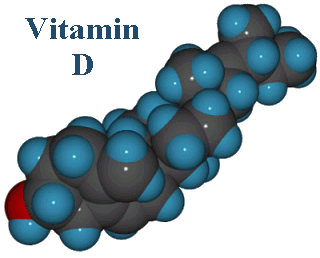 During the Endocrine Society’s 91st Annual Meeting, researchers from the University of Minnesota

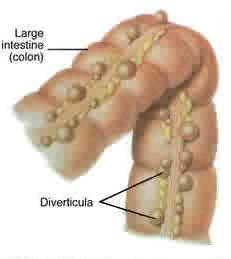 Eating nuts, corn, and popcorn don’t increase the risk of diverticulosis (pouches in the lining of the colon that bulge through weak spots) or its complications, according to
 The late physician/author of Jurassic Park, State of Fear, and ER was once asked by Scott Burgess if genetically modified food (GM) is a boon or threat to the world.
 The Cochrane Collaboration has
 Cochrane reviewers
 University of Illinois at Chicago researchers
 Ever heard someone say that drinking fruit juice is no better than drinking sugar water, and it just makes you fat?
 In postmenopausal women, calcium from dietary sources is associated with more favorable effects in bone health than calcium from
 Researchers from Australia
 Current guidelines recommend diet as first-line therapy to lower cholesterol levels in the blood.
 But, “small increase of blood pressure due to methylmercury will never outweigh the benefits of omega-3 fatty acids,” says Dr. Eric Dewailly, lead author of this
 Yes, there is a positive association, according to researchers at the National Cancer Institute.