 A special issue of Integrative Cancer Therapies questions the validity of evidence-based medicine (EBM) for evaluating CAM.
Continue reading Determining the best options to evaluate CAM
In 2000, the House of Lords Select Committee’s Report on CAM recommended familiarization with CAM for medical students and doctors.
According to this article, little has been done. But it confirms an interest in greater exposure to CAM education among medical students in Wales. Continue reading Medical students in Wales want more education on CAM
They don’t feel prepared to advise their patients. Continue reading Attitudes and perceptions regarding herbals among Canadian medical students
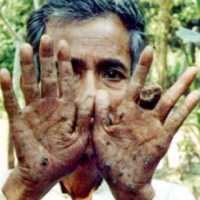 It’s only one patient (not the one in the photo), but it might reflect a bigger problem.
Here’s what happened.
Continue reading Arsenic poisoning from an herbal kelp supplement
 Written by Drs. Charles Fetrow and Juan Avila, The Complete Guide to Herbal Medicines is a detailed yet practical reference book.
There are several things I particularly like about it. Continue reading A holiday gift recommendation for your friends who use herbals
At least when the herbalists who did the study use them. Continue reading Herbal therapy reduces menopausal symptoms
Yes, they teach CAM at osteopathic and allopathic medical schools.
This survey concludes we need less advocacy and more reliance on evidence-based medicine (ie, combining research evidence with clinical expertise and patient values).
Continue reading Teaching CAM in allopathic and osteopathic medical schools
 The Cancer Integrative Medicine Program at Rush University Medical Center focuses on dealing with the emotional, psychological, and spiritual effects of cancer. Continue reading Integrating CAM into traditional cancer treatments in Chicago
 This, just in from The Independent.
Dr. Peter Canter and Professor Edzard Ernst from the Peninsula Medical School at the University of Exeter called yesterday [Oct 3] for the sale of herbal medicines to be banned unless evidence of their efficacy can be shown. Continue reading Banning sales of herbals in the UK
David Seckman, executive director and CEO of the Natural Products Association (NPA) announced. “By testing raw materials in China, we’re adding another layer of consumer protection.” Continue reading Natural Products Association will test Chinese raw materials
 Researchers from Bastyr University in Seattle, Washington survey the use of CAM among people with chronic pain and wonder “whether opioids can be reduced by introducing such therapies.” Continue reading Using CAM to complement conventional pain treatments
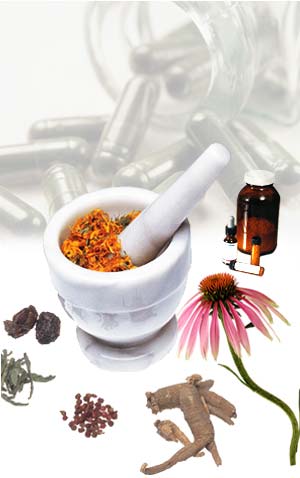 Not based on what we know right now.
Here’s an overview.
Continue reading Is there a role for herbal medicines in treating infections?
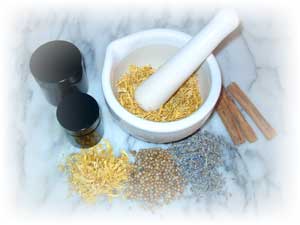 Researchers from the Mayo Clinic want to know why so few people use herbals in accordance with their evidence-based (read, proven) uses?
I think the answer is obvious, but they wrestle with this question nonetheless. Continue reading Disconnect between the uses vs the scientific evidence supporting herbals
 A 12-hour course in Ayurveda is being offered to American medical students, residents, faculty, and practicing physicians. Continue reading Going on the road to introduce Ayurveda to American medical students and physicians
 It’s especially important considering that these product routinely have poor quality control and mislabeling problems, as noted here, here, here, and here.
Now, survey results from the University of Missouri-Kansas City School of Medicine document just how confused older Americans are about supplements. Continue reading Misperceptions about herbal and dietary supplements among older Americans
 Overall, they are positive, at least at the University of Minnesota. Continue reading Attitudes of pharmacy faculty and students toward CAM
Specifically, we’re talking about women with lung cancer and people with diabetes.
First, women with lung cancer.
Continue reading Two surveys of CAM use in people with health care problems
In this survey, most medical students expressed an interest in learning more about CAM in order to make informed recommendations to their patients.
Continue reading More evidence of interest in CAM among medical students
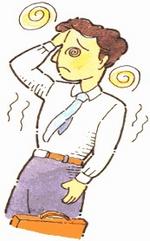 Meniere’s disease is characterized by deafness, ringing in the ears, dizziness, and nausea. Because the precise cause is unknown, most treatments are limited to treating symptoms.
Here’s a summary of CAM options from a review in The Internet Journal of Otorhinolaryngology.
 Yoga Journal has a misleading article in its latest edition that states, “if you’re looking to sharpen your immune system this winter, also consider one of the following.”
There are no studies in human beings that report lower infection rates by using any of these 3 herbals.
Continue reading Erroneous recommendations for herbals to prevent the common cold