In 2002, the FDA advised consumers of the potential risk of severe liver injury associated with the use of kava-containing (Piper methysticum) dietary supplements.
In 2003, the U.K.’s medicines regulatory body banned kava when it was linked to a number of deaths and liver damage around the world.
A project to better scrutinize and challenge claims made by manufacturers of supplements has been started by the Council for Responsible Nutrition (CRN) and the National Advertising Division of the Council of Better Business Bureaus (NAD).
CRN and NAD will “address not only comparative advertising claims among makers of dietary supplements, but also substantive claims that are deceptive or misleading and clearly go beyond what’s supported by research.”
Could be good depending on how they define going “beyond what’s supported by research.”
Every time I turn around, another agency is warning its constituents to beware of black cohosh.
Japan’s Ministry of Health, Labour and Welfare has now issued a warning to Japanese users of black cohosh. While there are no actual examples of the herb causing health problems in Japan, care should be exercised regarding its intake.
The risk of liver toxicity with black cohosh was reviewed here in an earlier post.
Medscape just published an article on the benefits of lowering triglycerides, and the use of omega-3 fatty acids. Read it if you’re so inclined, or if you’re an MD and need the continuing education credits. If not, here’s the take-home info.
When your leg veins can’t pump enough blood back to your heart, you have chronic venous insufficiency (CVI). Today, standardized horse chestnut seed extract (HCSE) is a well-established treatment for CVI and edema. It’s a common ingredient in lotions, creams, massage oils, and other skin care products, often in combination with other herbal ingredients.
Feeling tired, overwhelmed, stress out? Maybe more physical contact with the baby is the answer.
A study of the effects of baby massage on mothers? mood status concluded ?- as we would have guessed — baby massage has a positive effect on the mood status of the mothers.
A single session of repetitive transcranial magnetic stimulation (rTMS) to the unaffected part of the brain can improve motor function in stroke patients.
Dr. James Beaulieu, a clinical pharmacist specialist at Rhode Island Hospital in Providence, has published an excellent review of this topic.
If you are receiving immunosuppressive treatments and taking or considering taking any herbal medicine, consult this article first.
Immunosuppressive therapy is used for the following reasons.
Prevent rejection of transplanted organs and tissues (eg, bone marrow, heart, kidney, liver)
Treat autoimmune diseases or diseases that are most likely of autoimmune origin (eg, rheumatoid arthritis, myasthenia gravis, systemic lupus erythematosus, Crohn’s disease, and ulcerative colitis)
A list and overview of immunosuppressive drugs are available here.
Vasomotor symptoms can be extreme in patients with breast cancer or prostate cancer who are undergoing anticancer therapy. At the Royal Marsden Hospital in the U.K., an audit of 159 patients experiencing an average of 16 flushes per day revealed that self-acupuncture is associated with long-term relief of vasomotor symptoms in cancer patients.
Acupuncture is expensive, but self-acupuncture might offer an effective treatment alternative. A retrospective audit of patients in the U.K. with chronic pain who were taught self-acupuncture as a home pain management strategy has been published. Each patient had responded to acupuncture previously and been taught self-acupuncture successfully using three acupuncture points (LI4, ST44, LR3).
There is a general perception that it is not worth the effort to make changes in diet in order to control hypercholesterolemia. Any changes that occur due to an improved diet are minor compared to what can be accomplished by taking cholesterol-lowering drugs.
So, just take the pill(s)!
But that?s not true, and a study from several years ago illustrates the point.
Pre-eclampsia is a serious complication of pregnancy. It occurs in up to 8% of women who experience increased blood pressure and protein in the urine. It’s possible that garlic may lower blood pressure and help reduce the risk of pre-eclampsia.
The Dana-Farber Cancer Institute in Boston forbids pet visits, because of their concern about infection and allergic reactions. I’s a reasonable position. However, I am unable to find any reports where infections increased in hospitals when animal-assisted activity (AAA) or animal-assisted therapy (AAT) was used.
In an earlier post it was concluded that lavender oil treatments might be helpful for treating insomnia in adults. Children with autism often have sleep difficulties. But this latest study suggests it does not appear that their sleep patterns are altered by this treatment.
The National Center for Complementary and Alternative Medicine has published a survey on the extent of insomnia and use of CAM in Americans. WebMD summarizes the findings here.
35 million adults regularly had insomnia in 2002
1.6 million of them tried CAM to get some sleep
Most often they used herbs and vitamins, or mind-body therapies. Most CAM treatments for insomnia are not well studied, although two studies of inhaled lavender oil have been published, and are reviewed here.
Six people with early primary open angle glaucoma or ocular hypertension were treated with a single dose of delta-9-tetrahydrocannabinol 5 mg (Delta-9-THC), cannabidiol (CBD) 20 mg and 40 mg, and placebo placed under the tongue on separate occasions.
The aims of balneotherapy (treatment of disease by bathing) are to soothe the pain, improve joint motion, and as a consequence, relieve people’s suffering and make them feel well.
Although most studies report positive outcomes, the trials are so poorly designed that “positive findings” should be viewed with caution, according to the Cochrane Collaboration, which included studies up to 2002.
 In 2002, the FDA advised consumers of the potential risk of severe liver injury associated with the use of kava-containing (Piper methysticum) dietary supplements.
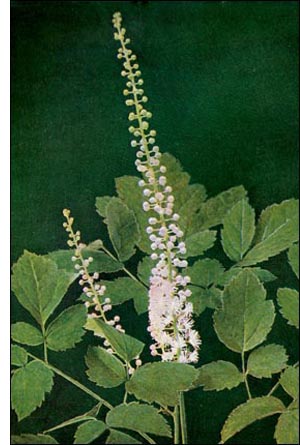 Every time I turn around, another agency is warning its constituents to beware of black cohosh.
 When your leg veins can’t pump enough blood back to your heart, you have chronic venous
 Rat
 Feeling tired, overwhelmed, stress out? Maybe more physical contact with the baby is the answer.
 Yoga practice is associated with positive
 A single session of repetitive transcranial magnetic stimulation (rTMS) to the unaffected part of the brain can improve motor function in stroke patients.
 Dr. James Beaulieu, a clinical pharmacist specialist at Rhode Island Hospital in Providence, has published an excellent
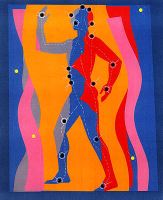 Vasomotor symptoms can be extreme in patients with breast cancer or prostate cancer who are undergoing anticancer therapy. At the Royal Marsden Hospital in the U.K., an audit of 159 patients experiencing an average of 16 flushes per day
 There is a general perception that it is not worth the effort to make changes in diet in order to control hypercholesterolemia. Any changes that occur due to an improved diet are minor compared to what can be accomplished by taking cholesterol-lowering drugs.
 Pre-eclampsia is a serious complication of pregnancy. It occurs in up to 8% of women who experience increased blood pressure and protein in the urine. It’s possible that garlic may lower blood pressure and help reduce the risk of pre-eclampsia.
 The Dana-Farber Cancer Institute in Boston
 In an earlier
 The National Center for Complementary and Alternative Medicine has
 Six people with early primary open angle glaucoma or ocular hypertension were
 The aims of balneotherapy (treatment of disease by bathing) are to soothe the pain, improve joint motion, and as a consequence, relieve people’s suffering and make them feel well.
 I signed up for the Harvard Health Letter last night. This morning they sent a free report titled, Living to 100: What’s the Secret?