Subcutaneous carbon dioxide (CO2) insufflation is popular in Central and Eastern Europe. It’s used mainly to treat musculoskeletal pain and vascular conditions.
Baicalin (Chinese skullcap) comes from Scutellaria baicalensis Georgi. This anti-inflammatory herbal is used in traditional Chinese medicine to treat cancer, liver disease, allergies, skin conditions, and epilepsy. Rosuvastatin (Crestor) is a member of the stain class of drugs used to lower LDL (bad) cholesterol. Continue reading Herb-drug interaction between baicalin and rosuvastatin→
Dr. Peter Stanton, a chiropractic orthopedist from Burke, Virginia, offers these guidelines for identifying a chiropractic physician and the expected course of events during chiropractic care.
Three criteria determine drug reimbursement decisions: therapeutic value, cost effectiveness, and burden of disease. Now, an article from Erasmus University in The Netherlands questions whether it’s sufficient for a drug to meet these criteria, and proposes a 4th hurdle.
High concentrations of homocysteine in the blood (hyperhomocysteinemia) have been linked to an increased risk for cardiovascular (CV) disease for almost 40 years!
It seems to improve self-esteem but not cognition (eg, perception, memory, judgment, and reasoning) or literacy, according to a recent study of 70 dyslexic children aged 6 to 13 years.
Hillary Freeman has multiple sclerosis (MS). She says, that within weeks of “regularly incorporating portions of salmon, mackerel, and sardines into my meal plans, the tingling and numbness I experienced on a daily basis subsided.”
Now, research on omega-3 fatty acids (containing eicosapentaenoic acid [EPA] and docosahexaenoic acid [DHA]) conducted at Oregon Health & Science University in Portland and presented during the American Association of Naturopathic Physicians annual meeting appears to provide a rationale for her experience. Continue reading Growing support for omega-3 benefits in multiple sclerosis→
Other than dietary supplements, the use of CAM for weight loss is relatively low, according to researchers at the University of South Carolina, Columbia.
Merck, the pharmaceutical company, announced a voluntary worldwide withdrawal of Vioxx (rofecoxib) in 2004. It was effective for relieving signs and symptoms of arthritis, acute pain in adults, and painful menstrual cycles. But the risk of heart attack or stroke related to Vioxx was high enough to cause Merck to stop selling the drug.
Now, a review of the literature suggests that Harpagophytum procumbens (Devil’s claw) and Salix alba (White willow bark) are as effective.
I previously posted that being without my cell phone stresses me out. So, in the spirit of cell phones as complementary medicine, I summarized the results of a Mayo Clinic study showing that cell phones did not affect hospital equipment.
 Here’s more evidence that the health of your offspring is influenced by what mom eats while pregnant.
 Subcutaneous carbon dioxide (CO2) insufflation is popular in Central and Eastern Europe. It’s used mainly to treat musculoskeletal pain and vascular conditions.
 The Evening Standard
 This is useful.
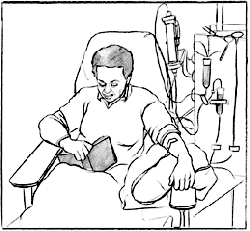 High concentrations of homocysteine in the blood (hyperhomocysteinemia) have been linked to an increased risk for cardiovascular (CV) disease for almost 40 years!
 Functional Ingredients
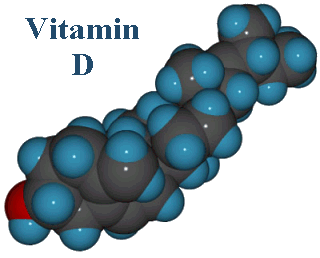 Ordinary doses of vitamin D supplements seem to be associated with lower mortality rates.
 It seems to improve self-esteem but not cognition (eg, perception, memory, judgment, and reasoning) or literacy, according to a recent
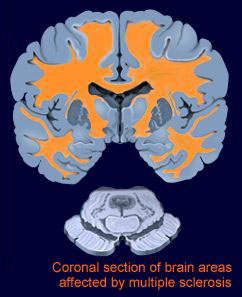 Hillary Freeman has multiple sclerosis (MS). She
 One objective is to increase awareness of this condition, and the National Institute of Mental Health has a broad ranging
 It appears to enhance emotional well-being and mood, according to researchers in New York.
 Combination treatment does not have an advantage over psychotherapy alone, but it’s better than drugs alone, according to this
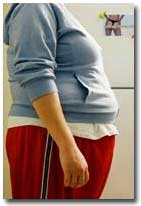 There are few clinical studies showing the effectiveness of acupuncture for weight loss.
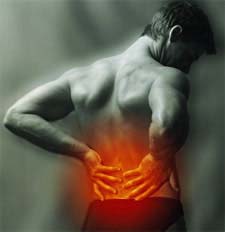 Merck, the pharmaceutical company,
 I previously