 Let’s start by stating that neither of the above terms — Indian Head Massage, nor the trademarked term Champissage — results in an article on PubMed.
So, what’s it good for? Continue reading Indian Head Massage: aka Champissage
Let’s start by stating that neither of the above terms — Indian Head Massage, nor the trademarked term Champissage — results in an article on PubMed.
So, what’s it good for? Continue reading Indian Head Massage: aka Champissage
 The review article is posted on the American Family Physician website. In addition to diagnosis and pharmacological treatment, it covers diet and exercise.
CAM options are not included. Continue reading Allopathic and CAM update on diabetes treatment in young people
 eMaxHealth interviewed Dr. Barbara Gilchrest, professor and chair of the department of dermatology at Boston University School of Medicine to dispel 4 myths about vitamin D.
Here’s one.
Continue reading Dispelling myths about vitamin D
eMaxHealth exposes 7 common myths about yoga.
Here’s an example.
 A friend asked me to look into CAM treatments for fatty liver disease. I did, but found little to support milk thistle — the most often discussed CAM treatment.
Continue reading Little support for milk thistle in liver disease
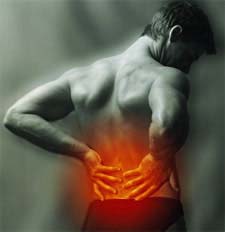 Narcotic drugs (opioids) are commonly prescribed for short-term relief of chronic back pain, but their long-term (greater than 16 weeks) effectiveness has never been proved.
Also, opioid abuse occurs in 24% of cases.
What’s this got to do with CAM?
Continue reading Limits of long-term narcotic use to treat back pain and CAM options
 Danshen (Salvia miltiorrhiza) is used in traditional Chinese medicine (TCM) to treat stroke, as well as heart disease, atherosclerosis, and blood clotting abnormalities.
The Cochrane Collaboration updated an earlier review of danshen to treat ischemic stroke — the most common kind of stroke, caused by an interruption in blood flow to the brain (as when a clot blocks a blood vessel). Continue reading Danshen safety and effectiveness to treat stroke
 Fifteen years after enrollment of more than 600 people between 18 and 30 years of age, researchers from the Department of Preventive Medicine at the Feinberg School of Medicine, Northwestern University, Chicago report that higher magnesium intake is associated with a lower risk of the metabolic syndrome.
The results are interesting, but what’s the action plan for the average person?
 Researchers from the University Hospital of Bern in Switzerland report 10 cases of hepatotoxicity. Continue reading Liver toxicity associated with Herbalife dietary supplements
My thought about this study is that considering the academic and research “pedigree” of the authors (ie, National Institute of Mental Health, National Center for Complementary and Alternative Medicine [NCCAM], National Institute for Dental and Craniofacial Research, and Columbia University), why did they settle for such a rudimentary study design?
When you get to the end of this post, consider if this study advanced the state of our knowledge on this topic. Continue reading Magnets for lower back pain?
 Yoga Journal has a worldwide directory here.
As the website states enthusiastically?
 High concentrations of fine particulate pollution — the type associated with secondhand smoke and, in developing countries, indoor cooking and heating fires — are linked to poorer health, according to researchers in Scotland. Continue reading Measuring the effect of poor indoor air quality on COPD
 The American Medical Student Association (AMSA) Foundation has completed a pilot study designed to develop a curriculum for including CAM training in MD and DO programs nationwide.
The money quotes from AMSA follow. Continue reading AMSA makes recommendations to integrate CAM into medical education
 The National Institute of Standards and Technology (NIST) has issued Standard Reference Materials (SRMs) for Ginkgo biloba.
The NIST reference materials will help researchers validate the accuracy of measurements for flavonoids and terpene lactones (plant constituents associated with the effectiveness of ginkgo) as well as toxic elements in ginkgo. Continue reading Essential tools improve the quality of Ginkgo biloba research
 About 9% of US children age 8 to 15 meet the diagnostic criteria for attention-deficit/hyperactivity disorder (ADHD), but fewer than half receive treatment, according to a report in the September issue of Archives of Pediatrics & Adolescent Medicine.
According to an earlier survey of more than 800 parents of children with ADHD. About 12% of children with diagnosed ADHD and 7% of those suspected of having ADHA use CAM.
 What do they use?
And how they compare to the fentanyl (Duragesic) patch. Continue reading Comparing CAM options to treat osteoarthritis knee pain
 Not all commercially available probiotics are effective in children with acute diarrhea, according to this study from researchers at the University of Naples Federico II in Italy. Continue reading Comparing probiotics to treat diarrhea
Results from the Invecchiare in Chianti (InCHIANTI) Study indicate that low selenium blood levels are independently associated with poor skeletal muscle strength — at least in Tuscany.
But should older people take selenium supplements? Continue reading Selenium and muscle strength in older adults
 Using a scale of 1 to 4 stars, the proposed regulation will help consumers identify the level of UVA protection offered by a product. Continue reading FDA wants to rate UVA protection in sunscreen products
 My pharmacist tells me that the prescription strength omega-3 fatty acid product called Omacor is having its name changed. Continue reading Omacor becomes Lovaza