Soy food intake in the amount consumed by Asian populations may have protective effects against breast cancer, according to researchers at the University of Southern California in Los Angeles. Continue reading Dietary soy and breast cancer risk→
The natives of Guam use fadang — the seed of the false sago palm (a cycad) (photo) — as an ingredient in their traditional medicine and food.
According to Marjorie Whiting, a nutritionist/anthropologist who lived with the native Guamanians, “Everybody knows that the fadang is toxic… The people go to a lot of trouble to process it in order to detoxify it.”
Federal regulations allow food labels to say there are zero grams of trans fat as long as there’s less than a half-gram per serving, according to this AP story.
Drs. Kalyanakrishnan Ramakrishnan and Dewey Scheid from the University of Oklahoma Health Sciences Center have published a review of treatment options for sleeplessness.
During the First North American Regional Epilepsy Congress, researchers from the University of Texas reported that men with epilepsy who take enzyme-inducing antiepileptic drugs (AEDs) have lower levels of vitamin D and calcium, plus higher parathyroid hormone (PTH) levels.
A study of more than 2000 non-demented individuals conducted in 2006 concluded that better adherence to the Mediterranean diet was associated with a lower risk for Alzheimer’s disease.
A published (and widely circulated in the lay press) study by researchers at Lund University in Sweden reported that high folate intake by women 50 years and older was associated with a lower incidence of postmenopausal breast cancer.
An article published by John Borneman and Robert Field on the Hyland’s website (and here) provides insight to the regulatory differences between these drug categories in the US.
A study in The Journal of Clinical Endocrinology & Metabolism reveals that dieting alone is as effective at reducing weigh and fat as a combination of diet and exercise — as long as the calories consumed and burned are equal.
Michael Pollan, writing in The New York Times Magazine advises, “If you’re concerned about your health, you should probably avoid food products that make health claims. Why? Because a health claim on a food product is a good indication that it’s not really food, and food is what you want to eat.
Taking echinacea after the onset of a cold shortens its duration or decreases the severity of symptoms, according to the results of most clinical trials. The best results are achieved using products containing alcoholic extracts and pressed juice preparations of the aerial (above ground) parts of the plant.
No evidence suggests echinacea can prevent the onset of the common cold or that it’s effective in children.
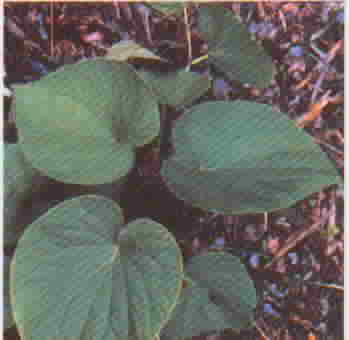 A review published in American Family Physician covers a broad range of herbal and dietary supplements for treating anxiety disorders.
 Soy food intake in the amount consumed by Asian populations may have protective effects against breast cancer,
 The natives of Guam use fadang — the seed of the false sago palm (a cycad) (photo) — as an ingredient in their traditional medicine and food.
 Federal regulations allow food labels to say there are zero grams of trans fat as long as there’s less than a half-gram per serving, according to this AP
 Drs. Kalyanakrishnan Ramakrishnan and Dewey Scheid from the University of Oklahoma Health Sciences Center have published a
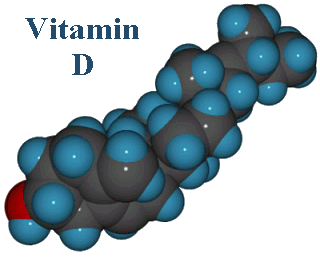 During the First North American Regional Epilepsy Congress, researchers from the University of Texas reported that men with epilepsy who take enzyme-inducing antiepileptic drugs (AEDs) have lower levels of vitamin D and calcium, plus higher parathyroid hormone (PTH) levels.
 A
 Not when compared to general practitioners’ care alone,
 In the ongoing game of catch me if you can, these products have been caught.
 A published (and widely circulated in the lay press)
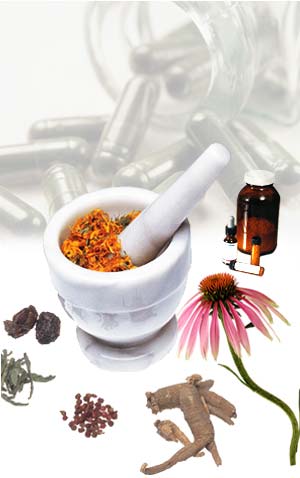 Not according to the Spanish Agency for Medicines and Health Care Products.
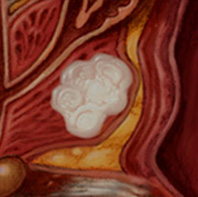 Men receiving support before prostate surgery showed improved quality of life following surgery, according to a
 This is apparently the first study of pycnogenol (French maritime pine bark extract) to treat peri-menopausal symptoms.
 A
 The answer is yes — especially among people with high blood pressure, diabetes, or low socioeconomic status — according to researchers at the Medical University of South Carolina in Charleston.
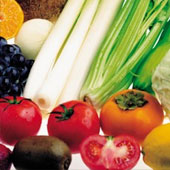 Michael Pollan, writing in The New York Times Magazine advises, “If you’re concerned about your health, you should probably avoid food products that make health claims. Why? Because a health claim on a food product is a good indication that it’s not really food, and food is what you want to eat.
 Taking echinacea after the onset of a cold shortens its duration or decreases the severity of symptoms, according to the results of most clinical trials. The best results are achieved using products containing alcoholic extracts and pressed juice preparations of the aerial (above ground) parts of the plant.
 Not much evidence is available. But here’s what 2 researchers from the University of Pittsburgh in Pennsylvania discovered during their
 Researchers from the University of Alberta in Edmonton, Canada