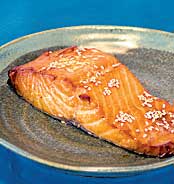
 A lot of bandwidth and newsprint have been spent spreading the word about the benefits of omega-3 fatty acids.
Apparently, few parents are reading. Continue reading What do parents know about omega 3?
A lot of bandwidth and newsprint have been spent spreading the word about the benefits of omega-3 fatty acids.
Apparently, few parents are reading. Continue reading What do parents know about omega 3?
 A couple of years ago I wondered whether the ubiquitous presence of hand cleaners on the walls of cruise ships, doctor’s offices, etc are worth the space they take and drippy mess they can make.
Researchers from Tufts University School of Medicine in Boston have looked into the value of soaps containing triclosan, the most popular “active” ingredient in hand cleaners. Continue reading Triclosan-containing hand cleaners
 Debra Short, president of the Natural Products Association, tells us “People want natural products because they are good for them and good for our environment.”
Blah, blah, blah.
But a reader comments and links to a good blog on the topic.
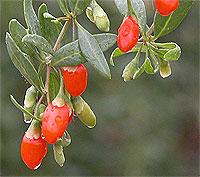 Actually, it was only 22 months ago that Time Magazine named the Himalayan Goji berry (Lycium barbarum) the breakout superfruit of the year!
There wasn’t much evidence supporting that claim then, and not much has happened since — except this. Continue reading Goji berries, 2 years later
 A study from the University of Alberta concluded that the environmental impact of food-miles racked up by organic produce when making the trip from farm to grocery store cancels out the benefits of growing it according to organic principals. Continue reading Judging organic food based on miles to grocery store
 Here’s a sobering account of the effect of alternative therapies on the quality of life and healthcare spending of Chinese patients with osteoarthritis (OA). Continue reading Alternative therapies in patients with osteoarthritis
 The FDA has developed an interactive online learning program that is also available in a downloadable format. It’s designed to help consumers understand and use the Nutrition Facts label in planning a healthy diet while managing calorie intake.
I think it might be most useful for teachers and nutritionists in their educational activities.
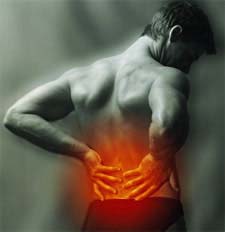 The Journal of the American Medical Association has an article in their Clinical Crossroads series by Dr. James Rathmell that presents a case history of a 50-year-old man with chronic back pain. Dr. Rathmell is Director of the Center for Pain Medicine at the Massachusetts General Hospital in Boston.
I’ve focused on his thoughts as they relate to non-pharmacologic treatment options and his philosophy on treating the chronic pain patient. Continue reading A philosophy for treating chronic pain
 Acupuncture is not better than placebo, according to researchers at Aldermoor Health Centre in Southampton, UK. Continue reading Debating acupuncture’s benefits in stroke recovery
 In 2003, the FDA stated, “Scientific evidence suggests, but does not prove, that eating 1.5 ounces per day of most nuts, such as pistachios, as part of a diet low in saturated fat and cholesterol may reduce the risk of heart disease.”
This study supports that statement. Continue reading Effect of pistachio nuts on cholesterol levels
 Some aspects of chiropractic maintenance care are controversial.
Two researchers from the University of Southern Denmark in Forskerparken searched the literature for answers. Continue reading Maintenance chiropractic, 12 years later
 Â Prof. Ernst and his associates at the Peninsula Medical School in Exeter, UK set their sites on tai chi.
Yes, “there is some encouraging evidence suggesting that tai chi may be effective for pain control in patients with knee osteoarthritis.” Continue reading Review: Tai chi for osteoarthrits
 Musculoskeletal complaints top the list of reasons people with cancer seek CAM care, according to researchers from the University of Washington in Seattle. Continue reading CAM use during the phases of cancer care
 People living with heart failure have similar symptoms and levels of depression and spiritual well-being as patients with advanced lung and pancreatic cancer.
Dr. David Bekelman from the University of Colorado Denver School of Medicine thinks, “Perhaps we can do more to reduce [this] burden for heart failure patients.” Continue reading Palliative care for heart disease patients
 It’s not just pot, but tobacco and alcohol also appear to influence the symptoms of attention deficit hyperactivity disorder (ADHD). Continue reading The effect of marijuana on ADHD
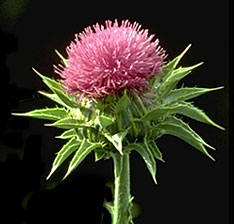 Milk thistle is used as an alternative therapy for liver disease.
Researchers in Seattle, Washington examined the effect of silybin on iron status in patients with hepatitis C. Continue reading Milk thistle, iron, and hepatitis C
 This is the first study of saffron to treat premenstrual syndrome (PMS) in humans. Continue reading Saffron to treat PMS
 St. John’s wort (Hypericum perforatum) and S-adenosyl-l-methionine (SAMe) top the list, according to this review from the University of Pittsburgh School of Medicine in Pennsylvania. Continue reading Another review of CAM options for bipolar disorder
 For the treatment of sleep apnea, continuous positive airway pressure (CPAP) is the most effective and widely used therapy.
Now, there’s the Didgeridoo. Read the second comment and watch the video to learn how it helps.
Continue reading Didgeridoo playing to treat obstructive sleep apnea
 In an earlier post I quoted from an article by Dr. Christina Puchalski on the physician’s role in providing spiritual care. Here, Dr. Puchalski outlines the essential components of taking a spiritual history using the acronym, F. I. C. A.
Considering the prevalence of prayer as a form of CAM, this acronym should be useful to healthcare providers. It also provides a guide to patients on what is appropriate information to provide during a doctor visit.
F. Faith and belief
Continue reading Obtaining a patient’s spiritual history