 Â It “could be an easy and inexpensive way to decrease aggression and abnormal behavior among preschool children,” according to researchers at Uppsala University in Sweden. Continue reading Treating aggression in preschool children
Category Archives: Stress
Lavender baths lower stress in mother and child
 Researchers from the University of Miami Miller School of Medicine in Florida report that adding lavender-scented bath oil to the infant bath results in lower stress in the mother and child, less crying, and better sleep. Continue reading Lavender baths lower stress in mother and child
Stress, heart disease, and what to do about it
 Research published in the Archives of Internal Medicine shows that psychosocial factors, such as cynical distrust, chronic stress, and depression are associated with higher blood levels of C-reactive protein (associated with acute inflammatory reactions), interleukin-6 (stimulates an immune response to tissue damage), and fibrinogen (causes blood to clot).
All are related to an increased risk of heart disease.
What can we do about this?
Continue reading Stress, heart disease, and what to do about it
Effect of breathing instruction on panic disorder and stress
 Recommendations to modify breathing patterns are commonly given to people with ordinary stress and tension, as well as to patients with anxiety disorders.
This study by researchers at Stanford University School of Medicine in Palo Alto, California used physiological measures to document changes in respiration to examine the physiological and psychological effects of breathing instructions. Continue reading Effect of breathing instruction on panic disorder and stress
Reflecting on the value of reflexology
 This review from the Taipei Medical University asks the question, where in medicine might reflexology be useful. Continue reading Reflecting on the value of reflexology
Is there a role for reiki in medicine?
Professor Ernst finds that “The value of reiki remains unproven.” Continue reading Is there a role for reiki in medicine?
First annual Yoga Week
 On May 19th, the National Institutes of Health (NIH) premiered its first annual Yoga Week.
Others have held yoga weeks in the past. What’s different is the involvement of the NIH. Continue reading First annual Yoga Week
Giving equal time to CAM options to manage stress
 An article published on Medscape discusses the impact of stress on insomnia. In addition to a brief mention of mindfulness, the author limits the discussion to benzodiazepines or ramelteon (Rozerem), which acts on melatonin receptors.
There are so many other options that the author fails to even mention. So, I’ll mention them here. Continue reading Giving equal time to CAM options to manage stress
Effects of qigong on stress among computer operators
 This study suggests, “Qigong [chee-kung] exercise may reduce stress [associated with] computerized work.” Continue reading Effects of qigong on stress among computer operators
The positive effects of baby massage
A closer look at Rhodiola rosea: A versatile adaptogen?
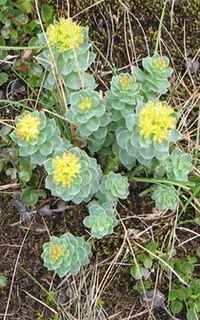 I came across this website and a review that recite the purported benefits of Rhodiola rosea (Sedum roseum; rose root). The story is remarkably similar to the story told at almost all other sites. (Google “Rhodiola rosea” to see what I mean.)
But what does the research really reveal? Continue reading A closer look at Rhodiola rosea: A versatile adaptogen?
Snoezelen for dementia
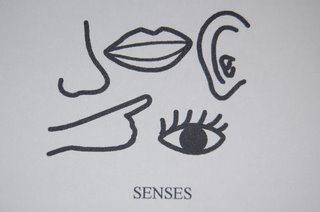 Snoezelen (or multi-sensory stimulation) is used to promote positive mood in older people with dementia, as well as manage maladaptive behaviors (eg, autism and other behaviors that interfere with everyday activities).
The Snoezelen (pronounced SNOOzelen) environment provides gentle stimulation of the primary senses. The objective is to overcome inhibitions, enhance self-esteem, and reduce tension.
A Cochrane review found no scientific support, but others disagree. Continue reading Snoezelen for dementia
Using omega-3 fatty acid supplementation in patients with recurrent self-harm
This study concludes that omega 3 fatty acid supplementation contributes to substantial reductions in surrogate markers of suicidal behavior and improvements in well-being. Continue reading Using omega-3 fatty acid supplementation in patients with recurrent self-harm
Aromatherapy: Feel good or make well?
 Here’s a hint.
The most comprehensive study of aromatherapy failed to show improvement in immune status, wound healing, or pain control. Continue reading Aromatherapy: Feel good or make well?
Might yohimbine reduce the risk of heart disease?
 Yohimbine (sold by the names Yocon, Yohimar, and others) is used to treat impotence (aka erectile dysfunction).
This study suggests yohimbine’s ability to change baroreflex control of the heart might yield additional benefits in certain circumstances. Continue reading Might yohimbine reduce the risk of heart disease?
Acupuncture and pregnancy rates following in vitro fertilization
 Acupuncture appears to be a common complementary option in fertility clinics.
This study from the Robert Wood Johnson Medical Center in Camden, New Jersey concludes, “Acupuncture performed twice weekly during the follicular and luteal phase does not seem to improve pregnancy rates following in vitro fertilization-embryo transfer (IVF-ET).” Continue reading Acupuncture and pregnancy rates following in vitro fertilization
Why new mums get depressed and what to do about it
 Dr. Kathleen Kendall-Tackett is a health psychologist and a board certified lactation consultant from the University of New Hampshire in Durham. Her work focuses on family violence and perinatal health.
Here are her thoughts on postpartum depression. Continue reading Why new mums get depressed and what to do about it
Indian Head Massage: aka Champissage
 Let’s start by stating that neither of the above terms — Indian Head Massage, nor the trademarked term Champissage — results in an article on PubMed.
So, what’s it good for? Continue reading Indian Head Massage: aka Champissage
Deadly depression in people with heart failure
 This report provides a reason to review the past few months of CAM studies and reviews on depression. Continue reading Deadly depression in people with heart failure
Measuring the effects of ylang-ylang oil
 Cananga odorata (common name, ylang-ylang; pronounced ee-lang ee-lang) is among the most celebrated flowering trees in the world. It was made famous by Coco Chanel in 1923 with the introduction of Chanel No.5 perfume,
Read on to find out why ylang-ylang oil is more than just an expensive scent.