The New York Timesreports, “The [FDA] advisory panel voted unanimously, 14 to 0, against recommending the drug [rimonabant, Acomplia, Zimulti], saying there was inadequate evidence of its safety. The FDA is not required to follow this advice, but it typically does.”
In a study of 60 nurses working in an Australian hospital 15 minutes of massage therapy once each week for 5 weeks reportedly reduced psychological stress levels compared to no massage.
Many people dislike needle-sticks. But once the fear becomes persistent, excessive, and unreasonable, it’s a phobia (belonephobia, needle-phobia, trypanophobia). Although not well recognized, belonephobia affects up to 10% of people.
In a Medscape article, Dr. Mary Muscari, who is Professor and Director of Forensic Health/Nursing at the University of Scranton in Pennsylvania, discusses the signs and symptoms, diagnosis, and treatments — which emphasize CAM. Continue reading A 3-step program to manage belonephobia→
The pros and cons of compact fluorescent lamps (CFLs) can be found here and here. Concern over massive switching from incandescent to CFLs in order to save the environment centers on the risk of toxicity from mercury used in the manufacture of CFLs.
A study from the University of Pennsylvania reports that transcendental meditation (TMed) “can be effective in improving the quality of life and functional capacity of African American CHF [congestive heart failure] patients.”
Here’s a series of quotes from the October (Volume 12, 2006) editorial in Alternative Therapies in Health and Medicine that I think contrasts the points of view between alternative and mainstream medicine today. Is the alternative perspective too esoteric to be of practical value? Or is the mainstream approach (for chronic diabetes for example) destined to come up short? Or is the answer somewhere in the middle?
Johrei (pronounced Jo-ray) is a non-touch healing method similar to reiki. It involves channeling of “universal healing energy” to influence the health of another person. Three studies in the past 15 months have attempted to correlate subjective changes with other objective outcomes.
 The New York Times reports, “The [FDA] advisory panel voted unanimously, 14 to 0, against recommending the drug [rimonabant, Acomplia, Zimulti], saying there was inadequate evidence of its safety. The FDA is not required to follow this advice, but it typically does.”
 In a study of 60 nurses working in an Australian hospital 15 minutes of massage therapy once each week for 5 weeks
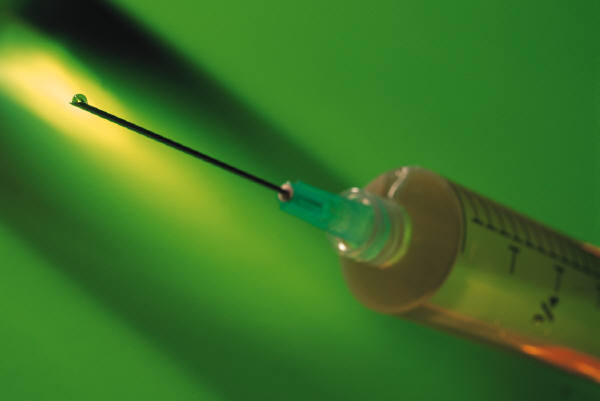 Many people dislike needle-sticks. But once the fear becomes persistent, excessive, and unreasonable, it’s a phobia (belonephobia, needle-phobia, trypanophobia). Although not well recognized, belonephobia affects up to 10% of people.
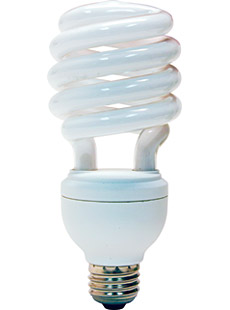 The pros and cons of compact fluorescent lamps (CFLs) can be found
 A study from the University of Pennsylvania reports that transcendental meditation (TMed) “can be effective in improving the quality of life and functional capacity of African American CHF [congestive heart failure] patients.”
 Here’s a series of quotes from the October (Volume 12, 2006)
 Johrei (pronounced Jo-ray) is a non-touch healing