 Prof. Ernst and colleagues think more rigorous research is warranted. Continue reading Another review of acupuncture for rheumatoid arthritis
Category Archives: Rheumatoid Diseases
Fatty fish may reduce arthritis risk
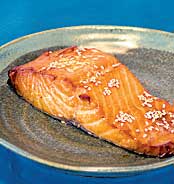 That’s the conclusion from researchers at the Karolinska Institute in Stockholm, as reported during the European League Against Rheumatism congress.
Here are the results from the Epidemiological Investigation of Rheumatoid Arthritis study. Continue reading Fatty fish may reduce arthritis risk
The omega-3 primer
The University of Maryland website has a review of omega-3 fatty acids.
Here are the essentials
First annual Yoga Week
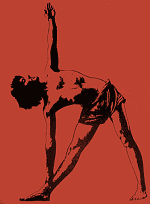 On May 19th, the National Institutes of Health (NIH) premiered its first annual Yoga Week.
Others have held yoga weeks in the past. What’s different is the involvement of the NIH. Continue reading First annual Yoga Week
Limited support for tai chi in rheumatoid arthritis
 Although the researchers identified 45 potentially relevant studies, only 5 were good enough to review. And the differences in the studies made it impossible to pool the results for a reanalysis of the data (meta-analysis). Continue reading Limited support for tai chi in rheumatoid arthritis
Wolfsbane: Uses, risks, and admonitions
“The wolfsbane I should dread;
Nor will I dreary rosemarye,
That always mourns the dead;
But I will woo the dainty rose,
With her cheeks of tender red.” …Thomas Hood
Wolfsbane (Aconitum napellus, aconite, monkshood) is sometimes included in herbal remedies to treat inflammation, pain, musculoskeletal problems (eg arthritis), and heart problems. Continue reading Wolfsbane: Uses, risks, and admonitions
Benefits of a vegan diet for rheumatoid arthritis
 Dietary manipulation helps people regain a sense of control over their disease.
In addition, researchers from the Karolinska Institutet in Stockholm, Sweden report changes that might be beneficial. Continue reading Benefits of a vegan diet for rheumatoid arthritis
An academic allopathic view of CAM options for arthritic pain

Dr. Eric Ruderman, Associate Professor of Medicine in the Division of Rheumatology at Northwestern University Feinberg School of Medicine in Chicago has published a review on Medscape, with lots of space devoted to CAM: exercise, acupuncture, and nutritional supplements. Continue reading An academic allopathic view of CAM options for arthritic pain
Flaxseed for menopausal symptoms and more
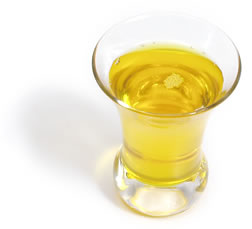 One study reports on flax and flaxseed oil in menopausal women, the second conducts a general review of the literature.
One study is positive; the other is not. Continue reading Flaxseed for menopausal symptoms and more
The pros and cons of folic acid fortification of foods
 Fortifying food, such as wheat and corn flour, with folic acid reduces the risk of spina bifida in babies.
This public health practice was introduced 10 years ago in North America. Now, that practice is being debated in the UK and worldwide. “Are the benefits to the few outweighed by possible harm to some of the many exposed? Continue reading The pros and cons of folic acid fortification of foods
More on teaching CAM in medical schools
 Medscape printed an article last year that was critical of CAM and any role it might have in the education of medical students. I summarized it here.
Now, a reasoned reply has been published. Continue reading More on teaching CAM in medical schools
Rose-hips for treating rheumatoid arthritis
 A study presented during the European Congress of Rheumatology in Barcelona concluded, “Patients affected with severe rheumatoid arthritis found pain relief after taking rose-hips for 6 months.” Continue reading Rose-hips for treating rheumatoid arthritis
Effect of krill oil on chronic inflammation and arthritic symptoms
 Compared to placebo, it’s effective at reducing arthritis symptoms and inflammation. Continue reading Effect of krill oil on chronic inflammation and arthritic symptoms
Western medicine vs traditional Chinese herbal medicine for rheumatoid arthritis
The winner in CAM for 2007
Omega-3 fatty acids, of course
There’s so much good stuff it’s hard to know where to start. Continue reading The winner in CAM for 2007
Chinese herbs Ganoderma lucidum and San Miao San to treat rheumatoid arthritis
 Researchers from several hospitals in Hong Kong and Chongqing China evaluated the combined use of 2 traditional Chinese medicines as complementary treatment in patients who were getting only partial relief taking western disease-modifying antirheumatic drugs. Continue reading Chinese herbs Ganoderma lucidum and San Miao San to treat rheumatoid arthritis
Another look at acupuncture for rheumatoid arthritis
 Earlier this year, a review of CAM for rheumatoid arthritis concluded that despite earlier positive reports, marked differences among studies precluded recommendations for a specific acupuncture treatment course.
Now, there’s another study. Continue reading Another look at acupuncture for rheumatoid arthritis
Treating chronic pain in children with rheumatic disease
 Pain is the most common symptom of rheumatic disease (mostly arthritis) in children. This review on Medscape includes cognitive behavioral therapy (CBT) and physical therapy/exercise as complementary options to other, mostly pharmacological treatments.
Continue reading Treating chronic pain in children with rheumatic disease
Studying fish oil to treat systemic lupus erythematosus
 Dr. Stephen Wright from Queen?s University of Belfast, Northern Ireland reports beneficial effects of omega-3 fish on the symptoms of SLE [systemic lupus erythematosus]. Continue reading Studying fish oil to treat systemic lupus erythematosus
Remember, dietary supplements can’t actually claim to treat or cure anything
That’s why phrases like “boosts you immune system” and “enhances (insert organ of choice) health” are popular. They don’t mean anything.
However, when you make unsubstantiated claims (eg, treat, cure), the FDA gets annoyed. For example? Continue reading Remember, dietary supplements can’t actually claim to treat or cure anything