
Category Archives: Rheumatoid Diseases
A new tool to test the biological effects of biofeedback, meditation, and yoga
 OK. Stay with me on this.
Kevin Tracey, MD is director and CEO of The Feinstein Institute for Medical Research in New York. A well-respected researcher, Dr. Tracey discovered that the brain controls the immune system via the vagus nerve. Now he’s investigating the role of a molecule called tumor necrosis factor (TNF) as part of the immune system’s weapons against foreign invaders. TNF can cause pain and redness to an injury or infection. In excessive amounts, it can also cause shock and death.
What’s this got to do with CAM?
Maybe a lot.
Continue reading A new tool to test the biological effects of biofeedback, meditation, and yoga
Benefits from creatine reported outside sports medicine
 In patients with polymyositis and dermatomyositis — conditions characterized by weakness and swelling of limb and neck muscles — taking creatine supplements enhanced the benefit of exercise. Continue reading Benefits from creatine reported outside sports medicine
Using creatine to treat dermatomyositis and polymyositis
 The former produces skin inflammation and muscle weakness. People with the later condition get weakness of limb and neck muscles, with muscle pain and swelling. Continue reading Using creatine to treat dermatomyositis and polymyositis
Misperceptions about herbal and dietary supplements among older Americans
 It’s especially important considering that these product routinely have poor quality control and mislabeling problems, as noted here, here, here, and here.
Now, survey results from the University of Missouri-Kansas City School of Medicine document just how confused older Americans are about supplements. Continue reading Misperceptions about herbal and dietary supplements among older Americans
Evaluating omega-3 polyunsaturated fatty acid supplementation for joint pain
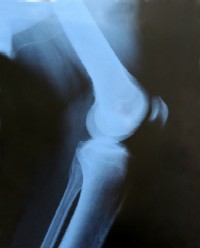 A literature review by two researchers at York University in Toronto “suggest[s] that omega-3 PUFAs are an attractive adjunctive treatment for joint pain associated with rheumatoid arthritis, inflammatory bowel disease, and dysmenorrhea [painful menstruation].”
Results were positive for most measures of outcome.
Continue reading Evaluating omega-3 polyunsaturated fatty acid supplementation for joint pain
The value of self-management of arthritis
 A rather small expenditure of time resulted in improved quality of life in a group of more than 800 patients with arthritis.
But not everybody thinks it was worth the effort.
Continue reading The value of self-management of arthritis
Advertising claims for more dietary supplements “cross the line”
It”s illegal for supplements to be promoted as a “treatment” for a disease. They can “support” health, or “boost” the immune system, or use other vague claims. But before any product can legally state that it can treat a specific disease it must pass US Food and Drug Administration (FDA) regulations for drugs.
The dietary supplements listed below have crossed the line by claiming to treat cancer, arthritis, fibromyalgia, and seizures.
Continue reading Advertising claims for more dietary supplements “cross the line”
Arthritis prevalence and the non-role of thunder god vine
Morbidity and Mortality just reported the latest prevalence of rheumatoid arthritis (RA). This survey of more than 90,000 adults between 2002 and 2005 found the following.
- Doctor-diagnosed arthritis: 46.4 million persons
- More common in women, and older, overweight, and inactive people
- Arthritis-attributable activity limitation among adults: 17.4 million persons
The National Center for Complementary and Alternative Medicine (NCCAM) lists thunder god vine (Tripterygium wilfordii Hook F; TWHF) first among all the CAM options for RA. The reason for this is unclear unless it’s to warn us about its safety.
Continue reading Arthritis prevalence and the non-role of thunder god vine
Factors leading people to select CAM therapies
It’s time to stop thinking of CAM as a homogeneous alternative to conventional medicine. Approximately 40% of the U.S. population use some form of CAM. In addition to studying the efficacy of CAM therapies, it’s time to assess individual CAM options from a socio-economic perspective.
Continue reading Factors leading people to select CAM therapies
Coffee drinking and diabetes
 The results of two studies indicate that coffee drinking reduces the risk of type 2 diabetes.
In the most recent publication, coffee intake, especially decaffeinated, was inversely associated with the risk of type 2 diabetes mellitus. The study was conducted in a group of more than 28,000 postmenopausal women, with no evidence of diabetes or heart disease at the start of the study, who were followed for 11 years. When compared with women who did not drink coffee, those who consumed 6 or more cups per day had a 22% lower risk of diabetes.
These results support an earlier study of more than 17,000 Dutch men and women where those who drank at least 7 cups of coffee each day had half the risk of developing type 2 diabetes compared with those who drank 2 cups per day.
Let’s place these results in perspective. Six cups of coffee is a lot of coffee. Coffee drinking is also associated with higher cholesterol levels, increased risk of heart disease, and rheumatoid arthritis.
As an alternative, walking briskly for 30 minutes five times a week can reduce your risk of developing diabetes by half. In addition, eating smaller, more frequent meals, with emphasis on foods that break down slowly, also slows the progression to diabetes.
Illustration: Just Coffee
7/9/06 22:24 JR