The evidence confirms its antibacterial properties and additional beneficial effects of medical honey on wound healing, according to this article published in Evidence-based Complementary and Alternative Medicine.
The autumn 2007 session of the American College for Advancement in Medicine’s International Educational Conference on Complementary, Alternative, and Integrative Medicine (CAIM) took place in November 2007.
Ashwagandha (Withania somnifera; winter cherry) belongs to the pepper family. The root is used in Indian Ayurvedic medicine as an aphrodisiac, liver tonic, anti-inflammatory agent, and astringent.
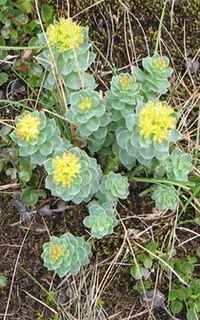
I came across this website and a review that recite the purported benefits of Rhodiola rosea(Sedum roseum; rose root). The story is remarkably similar to the story told at almost all other sites. (Google “Rhodiola rosea” to see what I mean.)
Several studies suggest that garlic has beneficial effects on risk factors associated with heart disease. MayoClinic.com even gives it a “B” rating (good scientific evidence for this use) based on studies lasting up to 12 weeks.
Soy food intake in the amount consumed by Asian populations may have protective effects against breast cancer, according to researchers at the University of Southern California in Los Angeles. Continue reading Dietary soy and breast cancer risk→
The natives of Guam use fadang — the seed of the false sago palm (a cycad) (photo) — as an ingredient in their traditional medicine and food.
According to Marjorie Whiting, a nutritionist/anthropologist who lived with the native Guamanians, “Everybody knows that the fadang is toxic… The people go to a lot of trouble to process it in order to detoxify it.”
Drs. Kalyanakrishnan Ramakrishnan and Dewey Scheid from the University of Oklahoma Health Sciences Center have published a review of treatment options for sleeplessness.
During the First North American Regional Epilepsy Congress, researchers from the University of Texas reported that men with epilepsy who take enzyme-inducing antiepileptic drugs (AEDs) have lower levels of vitamin D and calcium, plus higher parathyroid hormone (PTH) levels.
A study of more than 2000 non-demented individuals conducted in 2006 concluded that better adherence to the Mediterranean diet was associated with a lower risk for Alzheimer’s disease.
A published (and widely circulated in the lay press) study by researchers at Lund University in Sweden reported that high folate intake by women 50 years and older was associated with a lower incidence of postmenopausal breast cancer.
 Breakthrough pain is a worsening or flare of pain that occurs in patients whose pain is otherwise controlled.
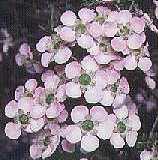 The evidence confirms its antibacterial properties and additional beneficial effects of medical honey on wound healing, according to this
 The autumn 2007 session of the American College for Advancement in Medicine’s International Educational Conference on Complementary, Alternative, and Integrative Medicine (CAIM) took place in November 2007.
 If someone advocates a complementary or alternative treatment, the first question to ask is not, “Is it effective?”
 Among 60 variables, only 4 were predictive of adverse effects in patients with neck pain,
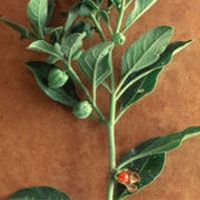 Ashwagandha (Withania somnifera; winter cherry) belongs to the pepper family. The root is used in Indian Ayurvedic medicine as an aphrodisiac, liver tonic, anti-inflammatory agent, and astringent.
 By the end of this
 I came across this
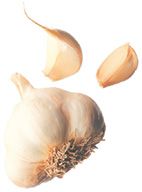 Several studies suggest that garlic has beneficial effects on risk factors associated with heart disease. MayoClinic.com even
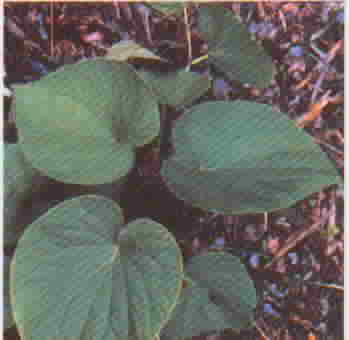 A review published in American Family Physician covers a broad range of herbal and dietary supplements for treating anxiety disorders.
 Soy food intake in the amount consumed by Asian populations may have protective effects against breast cancer,
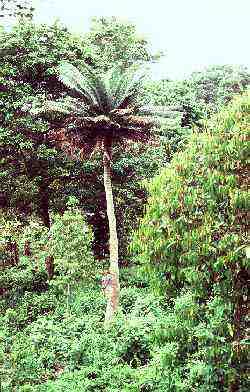 The natives of Guam use fadang — the seed of the false sago palm (a cycad) (photo) — as an ingredient in their traditional medicine and food.
 Drs. Kalyanakrishnan Ramakrishnan and Dewey Scheid from the University of Oklahoma Health Sciences Center have published a
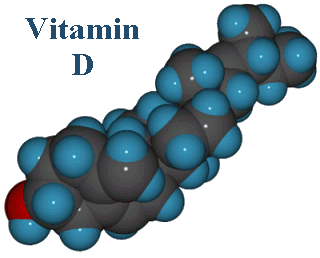 During the First North American Regional Epilepsy Congress, researchers from the University of Texas reported that men with epilepsy who take enzyme-inducing antiepileptic drugs (AEDs) have lower levels of vitamin D and calcium, plus higher parathyroid hormone (PTH) levels.
 A
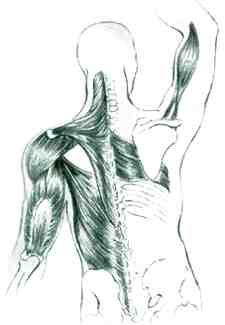 Not when compared to general practitioners’ care alone,
 In the ongoing game of catch me if you can, these products have been caught.
 A published (and widely circulated in the lay press)
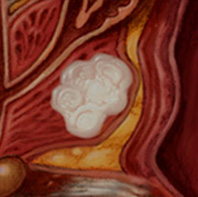 Men receiving support before prostate surgery showed improved quality of life following surgery, according to a