 Those are the findings of the Physicians’ Health Study II — an 8-year study of vitamin E and vitamin C in men.
Should we apply these findings to everyone? Continue reading Vitamins E and C fail to prevent heart disease
Those are the findings of the Physicians’ Health Study II — an 8-year study of vitamin E and vitamin C in men.
Should we apply these findings to everyone? Continue reading Vitamins E and C fail to prevent heart disease
Researchers from Ochsner Medical Center in New Orleans, Louisiana have reviewed homocysteine and concluded that it’s “one facet of a complex metabolic puzzle — a veritable Rubik’s cube — that promotes atherosclerosis.” Continue reading Review of homocysteine and the risk of heart disease
 Yes, yes, yes, it was October 20th, and I missed it.
But here’s a summary of CAM research on osteoporosis reported in 2008. Continue reading World osteoporosis day
 Â Researchers in Boston evaluated the effect of combined folic acid, vitamin B6, and vitamin B12 treatment on cancer risk in women at high risk for cardiovascular disease.
Here are the findings from the Women’s Antioxidant and Folic Acid Cardiovascular Study. Continue reading Vitamin cocktail and the risk of cancer
 November is diabetes month at the CAM Report.
Here’s what we covered so far this year. Continue reading CAM and diabetes: A round up of studies from 2008
 Â Medscape reports that SELECT (Selenium and Vitamin E Cancer Prevention Trial) is asking more than 35,000 adult men to stop taking these supplements because of an apparent lack of benefit and a possibility of harm.
But are we sure about this? Continue reading Vitamin E and selenium didn’t prevent prostate cancer
 Among 17 products, 4 failed to measure up.
That’s almost 25%. Continue reading ConsumerLab reports on vitamin A
 An op-ed in The New York Times is critical of the effects of veganism (a vegetarian who omits all animal products from the diet) on young ones.
The money quotes? Continue reading Strong words about the effects of a vegan diet on infants, babies, and toddlers
 Does it matter?
Prior studies in patients with Alzheimer’s disease were too small and too short in duration to assess their effect on cognitive (reasoning) decline, according to researchers in the Alzheimer Disease Cooperative Study. Continue reading Take B vitamins to reduce homocysteine in dementia?
 Â The Women’s Health Initiative reported reduced bone loss with treatment.
But do healthier bones mean older women will become more active? Continue reading Calcium, vitamin D, and physical activity in the elderly
 Â Researchers report positive effects when vitamin A and zinc were given to young children from the country of Burkina Faso in West Africa. Continue reading Benefits of vitamin A and zinc on malaria
Dr. Cathi Dennehy from the Department of Clinical Pharmacy at the University of California San Francisco has reviewed the evidence.
I was surprised by her assessment of black cohosh for menopausal symptoms.
Here’s a summary of her findings.
 Researchers from the University of Western Australia in Crawley examined whether vitamins B-12, B-6, and folate might reduce the severity of depressive symptoms and the incidence of clinically significant depression. Continue reading B vitamins fail to prevent depression
A series of focus group discussions across Canada help define today’s consumers of herbals, vitamins, and homeopathic medicines.
Here’s a summary of consumer views of natural health products (NHP) and the role of the pharmacist. I think there are insights for other healthcare professionals too. Continue reading Profiling consumers of natural health products
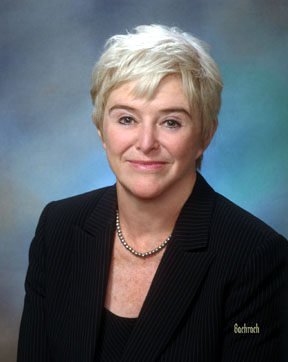 Dr. Barbara Gilchrest is professor and head of the Department of Dermatology at Boston University School of Medicine.
Here’s a summary of her take on vitamin D deficiency and the risks and benefits of exposure to the sun. Continue reading The Gilchrest view of vitamin D and sun exposure
Some studies suggest that cancer patients who take antioxidants are more likely to tolerate more full doses of chemotherapy. Continue reading Do antioxidants lower the side effects of chemotherapy?
The aim of this study by researchers at the University of Chile in Santiago was to see if the antioxidant effects of vitamins C and E are associated with a decrease in blood pressure in patients with hypertension. Continue reading Vitamins C and E in hypertension
 Researchers from Johns Hopkins University in Baltimore have reviewed natural health products (NHPs) and antiretroviral drugs (ARVs). Here are the results
Continue reading Interactions between supplements and drugs used to treat AIDS
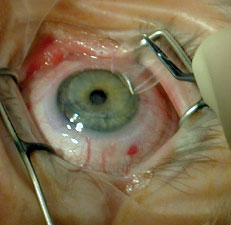 LASIK (Laser-Assisted in Situ Keratomileusis) is a technique used by ophthalmologists to correct myopia (nearsightedness), hyperopia (farsightedness), and astigmatism (a visual defect due to an unequal curvature, usually of the cornea).
Medscape has posted a review of the management of unsuccessful LASIK and another treatment called photorefractive keratectomy (PRK). The focus here is on the role of ascorbic acid (vitamin C, ascorbate). Continue reading The value of vitamin C to manage LASIK and PRK side effects
 Sprinkles is a nutritional supplement containing iron, zinc, vitamin A, folic acid, and vitamin C. Researchers from Cornell University in Ithaca, New York traveled to Haiti to do the study. Continue reading Using Sprinkles to reduce anemia in children