 Â Eating nuts lowers cardiovascular disease risk.
But what about pistachios? Continue reading Pistachios and risk factors for heart disease
 Eating nuts lowers cardiovascular disease risk.
But what about pistachios? Continue reading Pistachios and risk factors for heart disease
 The Dietary Approaches to Stop Hypertension (DASH) diet lowers blood pressure, But what is the effect on stroke and coronary heart disease?
Here’s an estimate from research reported during the American Heart Association 2007 Scientific Sessions and published on Medscape. Continue reading The real value of the DASH diet
 Â The International Olympic Committee no longer bans caffeine and ephedrine-related alkaloids.
So, what’s their effect on muscular strength and anaerobic power? Continue reading Effect of ephedra and caffeine on resistance-trained athletes
 Antibiotic resistance is the ability of a microorganism to withstand the effects of antibiotics.
You’re exposed to these bacteria when you swallow the herbal medicine. Continue reading Antibiotic-resistant bacteria in herbal products
 Researchers from across Italy, the GISSI (Gruppo Italiano per lo Studio della Streptochinasi nell’Infarto Miocardico) investigators, report that omega-3 fatty acids improved morbidity and mortality in patients with symptomatic heart failure. Continue reading Omega-3 for heart failure
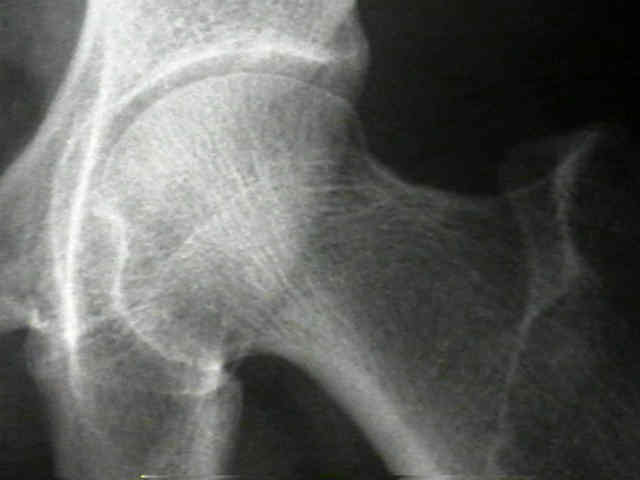 No, say an international group of researchers.
But the news isn’t all bad. Continue reading Calcium and hip fracture risk: Does it matter?
Dr. Cathi Dennehy from the Department of Clinical Pharmacy at the University of California San Francisco has reviewed the evidence.
I was surprised by her assessment of black cohosh for menopausal symptoms.
Here’s a summary of her findings.
 Two studies have concluded that cinnamon supplementation does not improve diabetes control in postmenopausal patients with type 2 diabetes.
One can be found here, but here’s the more interesting study.
Continue reading Lack of support for cinnamon to treat diabetes
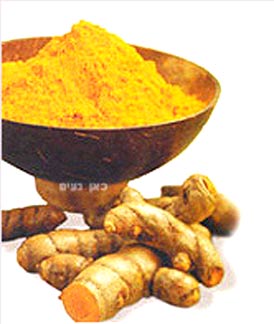 Researchers from The University of Texas M. D. Anderson Cancer Center in Houston and Sabinsa Corporation in Piscataway, New Jersey report on early research into the activity of curcumin (diferuloylmethane) in patients with pancreatic cancer. Continue reading Curcumin shows some activity in pancreatic cancer
 Researchers from the University of Western Australia in Crawley examined whether vitamins B-12, B-6, and folate might reduce the severity of depressive symptoms and the incidence of clinically significant depression. Continue reading B vitamins fail to prevent depression
The World Cancer Research Fund and the American Institute for Cancer Research have published a tome (517 pages) titled, Food, Nutrition, Physical Activity, and the Prevention of Cancer: A Global Perspective.
The goal is to reduce the global burden of cancer through healthier living.
Best of all, it can be accomplished in just 6 easy steps in addition to not smoking or chewing tobacco. Continue reading 6 easy steps to prevent cancer
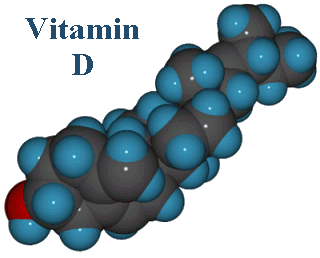 Yes, there has been considerable progress in understanding the health effects of vitamin D.
Is it time to update the US Dietary Reference Intakes for vitamin D, which were developed in 1997? Continue reading Shortcomings of vitamin D research
 A study published in the journal, eCAM, and summarized in an earlier post, reported a remission rate of 65% when Iyengar yoga was used to augment the effects of anti-depressant drugs in 20 adults with unipolar major depression in partial remission.
How do other forms of CAM compare when used to improve a less than complete response to pharmacologic treatment of depression? Continue reading CAM to augment anti-depressant drug effects
Among omega-3 fatty acids, alpha-linolenic acid (ALA) is converted to eicosapentaenoic acid (EPA), and docosahexaenoic acid (DHA), which are most readily used by the body.
Researchers from Harvard School of Public Health in Boston show an association between raising the intake of ALA and lowering heart attacks. Continue reading Protection from heart attack with alpha-linolenic acid
 Loss of taste (dysgeusia) can decrease the pleasure of eating and lead to a loss of social contact, weight changes, and depression.
In an earlier post, zinc did not prevent dysgeusia in patients with head and neck cancer. Here is a study for the rest of us. These patients had dysgeusia not associated with any underlying disease.
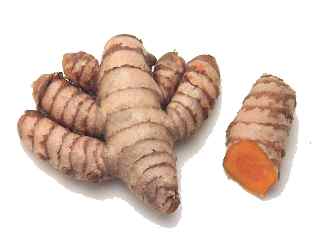 Curcuma longa (aka turmeric) shows a favorable effect on inflammatory processes such as psoriasis in experiments in mice.
Here’s a study about curcumin taken by mouth. And a reader expands the discussion to include topical therapy. Continue reading Turmeric comes up short in psoriasis
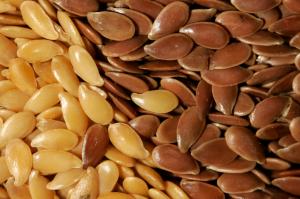 Researchers from St Boniface Hospital Research Centre in Winnipeg, Manitoba compared whole seed, milled seed, and flaxseed oil. Continue reading Comparing 3 forms of flaxseed
 Further research is needed, but Dr. Marlene Freeman from The University of Texas Southwestern Medical Center at Dallas brings us up to date. Continue reading CAM for perinatal depression
 It’s a plant cellulose-based organic powder. One squeeze, according to the manufacturer, into each nostril and it “naturally” enhances nasal mucus to filter out allergens so that only clean air reaches the lungs.
I found one dissatisfied customer and two studies. Continue reading Naseleze
 Ms. Marci Landsmann, who is managing editor of Healthy Aging, has written a plain-language review.
Here are the highlights. Continue reading A practical review of healthy oils