 Another study fails to find nutritional benefit from organically grown crops.
Continue reading No differences in organic vs conventionally grown crops
Another study fails to find nutritional benefit from organically grown crops.
Continue reading No differences in organic vs conventionally grown crops
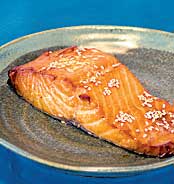 That’s the conclusion from researchers at the Karolinska Institute in Stockholm, as reported during the European League Against Rheumatism congress.
Here are the results from the Epidemiological Investigation of Rheumatoid Arthritis study. Continue reading Fatty fish may reduce arthritis risk
 Red yeast rice can lower LDL (bad) cholesterol.
However, ConsumerLab tests reveal that the levels of cholesterol-lowering statin compounds in red yeast rice products vary by more than 100-fold — with some products having hardly any. Continue reading ConsumerLab rates red yeast rice supplements
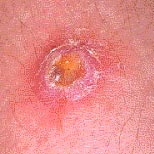 In this time of MRSA (methacillin-resistant Staph aureus) skin infections, Medscape reviews 3 CAM wound treatment options.
Here are the highlights. Continue reading Maggots, and leeches, and honey, oh my!
 Importantly, we are referring to people with mildly elevated cholesterol blood levels in this study by Australian researchers. Continue reading Inability of soy to lower LDL cholesterol
 Is it possible that infant feeding patterns can influence long-term changes in cholesterol metabolism?
An international group of researchers think it might. Continue reading Breastfeeding and cholesterol later in life
Among older adults, modest consumption of fish is associated with a lower prevalence of subclinical brain infarcts (“tiny” strokes) — changes in the brain consistent with a stroke, but without the usual outward signs and symptoms. Continue reading Fatty fish and the risk of “tiny” strokes
 A series of focus group discussions across Canada help define today’s consumers of herbals, vitamins, and homeopathic medicines.
Here’s a summary of consumer views of natural health products (NHP) and the role of the pharmacist. I think there are insights for other healthcare professionals too. Continue reading Profiling consumers of natural health products
The results from this study suggest that diet, rather than genetics, accounts for the two-fold lower coronary heart disease mortality in Japan than in the US. Continue reading Eating fatty fish and the risk of atherosclerosis
The University of Maryland website has a review of omega-3 fatty acids.
Here are the essentials
 Dr. Barbara Gilchrest is professor and head of the Department of Dermatology at Boston University School of Medicine.
Here’s a summary of her take on vitamin D deficiency and the risks and benefits of exposure to the sun. Continue reading The Gilchrest view of vitamin D and sun exposure
 This study shows it can be done, with reductions that are relatively small. But read the comment to see what can be accomplished with diet, exercise, and omega-3.
Continue reading Lowering cholesterol with functional foods
 Garlic preparations are better than placebo in reducing blood pressure in people with high blood pressure, according to this review by researchers from The University of Adelaide in Australia. Continue reading Effect of garlic on blood pressure
 It’s the first state to outlaw a vegetable oil. Continue reading California bans trans fats
 Researchers from the Harvard School of Public Health in Boston tell us eating (a lot) more soy food results in lower sperm counts. Continue reading Negative effect of soy on sperm
 Dr. Stephen Bent is Assistant Professor of Medicine at the Osher Center for Integrative Medicine at the University of California, San Francisco.
Here’s his view. Continue reading A Bent view of herbals
Some studies suggest that cancer patients who take antioxidants are more likely to tolerate more full doses of chemotherapy. Continue reading Do antioxidants lower the side effects of chemotherapy?
 There appear to be beneficial effects on the skeleton. Continue reading Benefits of tea drinking in older women
 As we age, zinc deficiency combined with impaired immunity increase our susceptibility to infection.
Now, a study hows that zinc supplementation raises zinc blood levels, and lowers circulating proteins that increase the risk of infection. Most importantly, it also lowered the rate of infection in the elderly.
Continue reading Fewer infections when older folks take zinc supplements
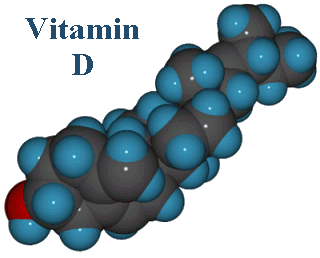 There’s so much interest in vitamin D it could use its own blog.
Here’s what I found for the first half of 2008. Continue reading Vitamin D research for 2008