 The results of the Dietary Intervention Randomized Controlled Trial (DIRECT) Group have been published in The New England Journal of Medicine. Continue reading Comparing weight-loss diets after 2 years
Category Archives: E. DIETARY
The poor record of CAM to treat H. pylori bacteria
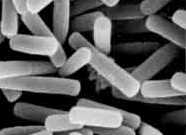 It’s unclear whether killing the bacteria called Helicobacter pylori improves symptoms in patients with dyspepsia (ie, stomach pain with fullness, bloating, or nausea). But there is benefit in people with ulcers.
Here’s a review from American Family Physician that recommends that all of us with dyspepsia be tested and treated if H. pylori is found. Recommendations from the American College of Gastroenterology are here.
Is there a role for CAM?
Continue reading The poor record of CAM to treat H. pylori bacteria
Nut products, pregnancy, and allergy risk
 For pregnant women, researchers at Utrecht University in the Netherlands identified eating nut products (not nuts) as a potential risk factor for allergy in their children. Continue reading Nut products, pregnancy, and allergy risk
CAM for psychiatric disorders in kids
 Researchers from the University of Sydney in Australia have reviewed the evidence in children and adolescents.
The authors include data from adults, because if they limited the discussion to children and adolescents it would be a very short article.
That’s not a problem here. Continue reading CAM for psychiatric disorders in kids
Home remedies to treat alopecia areata
 Alopecia areata is an autoimmune disease that afflicts fewer than 2% of people younger than 50 years. It often starts in the 20s and 30s. In about 6% of these patients the disease progresses to a total loss of scalp hair.
Here are two studies using garlic gel and onion juice.
Investigating the raw food diet
 Raw food diets are predominantly plant-based diets followed with the intention of preventing chronic diseases by virtue of their high content of beneficial nutritive substances such as carotenoids.
However, little is known about the ability to maintain recommended levels of nutrients with this diet. Now, researchers from the University of Giessen in Germany are taking a closer look. Continue reading Investigating the raw food diet
The NCCAM view of CAM for fibromyalgia
 The National Center for CAM (NCCAM) has summarized the state of the science. Continue reading The NCCAM view of CAM for fibromyalgia
Rebiana: The new stevia-derived sweetener.
 A series of published studies support the safety of rebiana, which is the trade name for a stevia-derived sweetener being developed by The Coca-Cola Company and Cargill. Truvia is Cargill’s brand name for the same product.
Wikipedia has a good overview of stevia and it’s relationship to rebiana.
Here’s what we know from recently published studies. Continue reading Rebiana: The new stevia-derived sweetener.
Tilapia: low in omega-3, high in omega-6 fatty acids
 Farm-raised tilapia, one of the most highly consumed fish in America, has very low levels of beneficial omega-3 fatty acids and, perhaps worse, very high levels of omega-6 fatty acids, according to research from Wake Forest University School of Medicine.
Catfish rate poorly too. Continue reading Tilapia: low in omega-3, high in omega-6 fatty acids
Historical perspective on flavonoids
 Dietary sources of flavonoids in Western societies include onions (flavonols); cocoa (proanthocyanidins); tea, apples, and red wine (flavonols and catechins); citrus fruit (flavanones); berries and cherries (anthocyanidins); and soy (isoflavones).
Here’s how far we’ve come. Continue reading Historical perspective on flavonoids
Allergy prevention in children
It turns out that Australia has one of the highest rates of allergic disease (hay fever, asthma, hives) in the world.
So, Australian Family Physician reviewed current recommendations. Continue reading Allergy prevention in children
Soy and the risk of hay fever
Researchers from the Gifu University Graduate School of Medicine in Japan examined the relationship between soy isoflavone and the risk of cedar pollinosis (hay fever) — the most common seasonal allergic rhinitis in Japan. Continue reading Soy and the risk of hay fever
Health benefits of fiber reviewed
 Americans don’t meet the current fiber recommendations. The daily fiber intake by average Americans is 14 to 15 grams.
This is less than the American Dietetic Association recommended of 20 to 35 grams for adults, 25 grams for girls ages 9 through 18 years and 31 to 38 grams for boys ages 9 through 18. The American Heart Association recommends 25 to 30 g daily.
Vitamins C and E in hypertension
The aim of this study by researchers at the University of Chile in Santiago was to see if the antioxidant effects of vitamins C and E are associated with a decrease in blood pressure in patients with hypertension. Continue reading Vitamins C and E in hypertension
Vegan diet and type 2 diabetes
 While both a low-fat vegan diet and a diet based on ADA guidelines improve blood sugar and cholesterol control in patients with type 2 diabetes, these improvements are greater with a low-fat vegan diet.
This is the conclusion from a study of 99 patients in Diabetes Care, a publication of the American Diabetes Association.
Coffee, tea, and the risk of stroke
 Both beverages have antioxidant properties, and coffee may improve insulin sensitivity.
OK, but is there an association between coffee and tea consumption with the risk of stroke? Continue reading Coffee, tea, and the risk of stroke
Interactions between supplements and drugs used to treat AIDS
 Researchers from Johns Hopkins University in Baltimore have reviewed natural health products (NHPs) and antiretroviral drugs (ARVs). Here are the results
Continue reading Interactions between supplements and drugs used to treat AIDS
The value of vitamin C to manage LASIK and PRK side effects
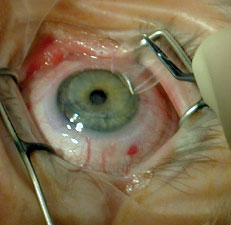 LASIK (Laser-Assisted in Situ Keratomileusis) is a technique used by ophthalmologists to correct myopia (nearsightedness), hyperopia (farsightedness), and astigmatism (a visual defect due to an unequal curvature, usually of the cornea).
Medscape has posted a review of the management of unsuccessful LASIK and another treatment called photorefractive keratectomy (PRK). The focus here is on the role of ascorbic acid (vitamin C, ascorbate). Continue reading The value of vitamin C to manage LASIK and PRK side effects
Calcium lowers the risk of fractures
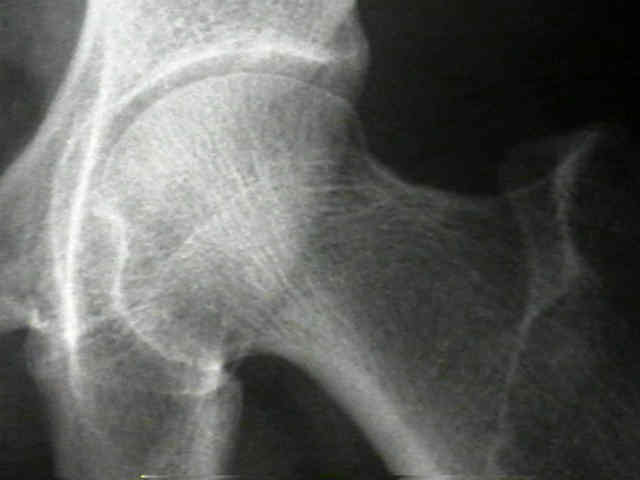 Taking a specific dose of calcium in the absence of a specific dose of vitamin D reduced the risk of fractures in healthy individuals, according to researchers at Dartmouth Medical School in Lebanon, New Hampshire. Continue reading Calcium lowers the risk of fractures
Late night noshing and sleep patterns
 At the Annual Meeting of the Associated Professional Sleep Societies (SLEEP 2008), researchers from Brazil reported that late night snacking has an effect on sleep patterns. Continue reading Late night noshing and sleep patterns