Researchers in Boston evaluated the effect of combined folic acid, vitamin B6, and vitamin B12 treatment on cancer risk in women at high risk for cardiovascular disease.
 Increasing degrees of sleep apnea are associated with lower blood levels of omega-3 fatty acids, according to researchers at the University of Missouri at Kansas City.
Researchers from the University of South Dakota in Sioux Falls have reviewed the rationale for recommending long-chain omega-3 fatty acids — eicosapentaenoic acid and docosahexaenoic acid (EPA and DHA) — in pill or fish form for general heart health.
“Some scientists believe that in our quest to lose weight, we are not eating enough fat, or at least not the right kind of fat. What’s missing from our diet,” according to a NewsTarget.com article, “is conjugated linoleic acid (CLA), which is found in red meat, lamb, and dairy products.
Researchers from VA Boston Health Care System in West Roxbury, Massachusetts report that “cranberry extract tablets should be considered for the prevention of urinary tract infections (UTI) in spinal cord injured (SCI) patients with neurogenic bladder.” Continue reading Cranberry tablets prevent UTI in neurogenic bladder→
The World Health Organization has predicted a 39% rise in the worldwide prevalence of diabetes by 2030. And an article in The Lancet indicates this might be an underestimation.
 Medscape reports that SELECT (Selenium and Vitamin E Cancer Prevention Trial) is asking more than 35,000 adult men to stop taking these supplements because of an apparent lack of benefit and a possibility of harm.
Prior studies in patients with Alzheimer’s disease were too small and too short in duration to assess their effect on cognitive (reasoning) decline, according to researchers in the Alzheimer Disease Cooperative Study. Continue reading Take B vitamins to reduce homocysteine in dementia?→
 Â Researchers in Boston evaluated the effect of combined folic acid, vitamin B6, and vitamin B12 treatment on cancer risk in women at high risk for cardiovascular disease.
 There was an association between higher intake of skim milk and more pimples in this
 Â Increasing degrees of sleep apnea are associated with lower blood levels of omega-3 fatty acids, according to researchers at the University of Missouri at Kansas City.
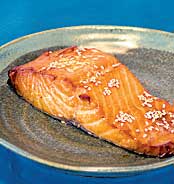 Researchers from the University of South Dakota in Sioux Falls have
 “Some scientists believe that in our quest to lose weight, we are not eating enough fat, or at least not the right kind of fat. What’s missing from our diet,”
 Researchers from VA Boston Health Care System in West Roxbury, Massachusetts report that “cranberry extract tablets should be
 November is diabetes month at the CAM Report.
 The aim of this
 Â Medscape
 Among 17 products, 4 failed to measure up.
 Green tea is made from the dried leaves of Camellia sinensis.
 Here’s a
 An
 Does it matter?
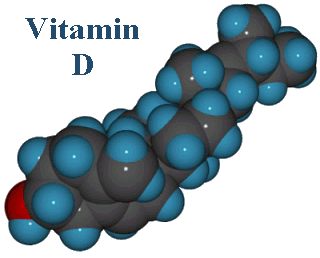 The American Academy of Pediatrics has doubled the recommended daily vitamin D intake from 200 IU to 400 IU for infants, children, and adolescents.
 Â When healthy postmenopausal women take calcium supplements to improve bone health, there appears to be an
 The connection, of course, is bromelain, which comes from pineapples.
 Â The Women’s Health Initiative reported reduced bone loss with treatment.