Cough is a major cause of doctor visits among children and adults. It can impact quality of life, cause anxiety, and affect sleep for parents and their children.
Researchers at Iowa State University’s Nutrition and Wellness Research Center in Ames determined whether the main compound in a flaxseed product, secoisolariciresinol diglucoside, could lower cholesterol.
Most of patients with moderate-to-severe disease are in a constant catabolic state resulting in poor weight gain and growth failure.
Researchers at Columbia University College of Physicians & Surgeons, in New York City studied whether an exclusion diet combined with nutraceutical therapy could induce sustained remission of disease with weight gain, and enhance the ability for growth hormone to reverse growth failure. Continue reading Nutraceutical therapy to treat juvenile Crohn’s disease→
The American Botanical Council (ABC) has published a 40-page review of an emerging new product and market category called “energy shots.” The report focuses on shots sold mainly in the United States and the United Kingdom. Continue reading Reviewing “energy shot” products→
Hyperhomocysteinemia (high blood levels of homocysteine) increases the risk of blood vessel complications in people with diabetes. Supplementation with B vitamins (pyridoxine, folic acid, B12) reduces these levels.
Researchers in Canada report the results of the (Diabetic Interventionwith Vitamins to Improve Nephropathy [DIVINe]) study, which was designed to determine whether B-vitamin therapy might slow progression of diabetic kidney disease and prevent vascular complications. Continue reading B vitamins to treat diabetic kidney disease?→
It occurs in up to 20% of patients with cirrhosis of the liver and should be considered in anyone who develops difficulty breathing or shortness of breath.
In 1992, researchers from the University of Florida published a report of a patient with hepatopulmonary syndrome who failed drug therapy, refused surgery, but improved while taking garlic supplements.
A cholesterol-lowering diet has been suggested as a management approach — independently or in addition to drug therapy — in children and adults with familial (passed down through families) high cholesterol blood levels.
After 10 years of research, here’s what we know about eating legumes — lentils; split, chick, and black-eyed peas; kidney, navy, and black beans — and the risk of prostate cancer.
 Cough is a major cause of doctor visits among children and adults. It can impact quality of life, cause anxiety, and affect sleep for parents and their children.


 Researchers from Catholic University in Washington, DC searched the
 The American Botanical Council (ABC) has published a 40-page




 Dr. Stewart Tepper from the Cleveland Clinic Foundation in Ohio
 Researchers from Toronto, Canada
 Thanks to a barrage of recent studies and conflicting media messages, consumers are


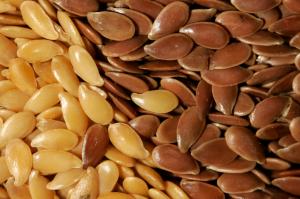 The effects of taking flaxseed lignan complex during exercise in older adults were
 Researchers from China and the UK
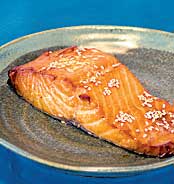 Would you eat salmon 3 times a week if it lowered your blood pressure?
 After 10 years of research, here’s what we know about eating legumes — lentils; split, chick, and black-eyed peas; kidney, navy, and black beans — and the risk of prostate cancer.