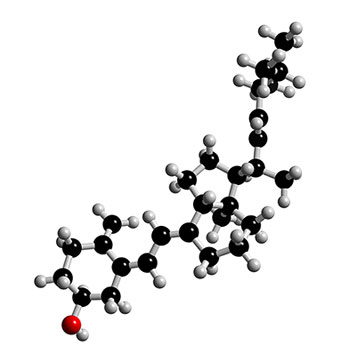
Researchers from Dalhousie University in Halifax, Nova Scotia studied the response to vitamin C under these conditions. Continue reading Vitamin C, stress, and the risk of infection →
The abstract in The Lancet is poor, but here’s a summary of the details from Medical News Today. Continue reading Is there a genetic predisposition to vitamin D deficiency? →
reviewed the evidence.
But not everyone agrees with their conclusions. Continue reading Review: Herbal medicines to treat rheumatoid arthritis →
investigated the possible impact of two commonly used herbal medicines, garlic and cranberry, on the anticoagulant, warfarin (Coumadin). Continue reading Warfarin and cranberry interaction →
Researchers from Tulane University School of Medicine, in New Orleans, Louisiana reviewed the evidence. Continue reading Effects of non-soy legumes on cholesterol levels →
Following strict dietary recommendations isn’t necessary, based on data presented during the American College of Sports Medicine 57th Annual Meeting by researchers from the University of Newcastle, in Australia. Continue reading Secrets to successful weight loss among men →
summarized the results of SELECT (The Sel enium and Vitamin E C ancer Prevention T rialL -selenomethionine) and vitamin E alone or combined to lower the risk of prostate cancer.
Let’s summarize her summary. Continue reading SELECT and the effect of selenium on prostate cancer risk →
results of a study of Polyphenon E in chronic lymphocytic leukemia (CLL) patients.
The primary active ingredient in Polyphenon E is epigallocatechin gallate (EGCG), which is extracted from a green tea. This drug is approved by the FDA to treat genital warts and being studied in several cancers. Continue reading Activity of green tea extract in chronic lymphocytic leukemia →
Results from the Swiss HIV Cohort Study suggest that systematic screening should be considered. Continue reading Observations on vitamin D deficiency in HIV →
Continue reading Vitamin B12 for weight loss? →
reported that taking a multivitamin didn’t prevent urothelial (bladder) cancer. Continue reading Vitamins fail to prevent bladder cancer →
reviewed the evidence for using supplements to treat osteoarthritis and rheumatoid arthritis. Continue reading May is arthritis awareness month →
evaluated the relationship between distal large bowel cancer and omega-3 intake in Caucasians and African Americans. Continue reading Intake of polyunsaturated fatty acids and the risk of bowel cancer →
So, researchers from the National Institute for Health and Welfare, in Kuopio, Finland surveyed their countrymen. Continue reading Fish consumption, omega-3, and the risk of depression →
according to reviewers at the London School of Hygiene & Tropical Medicine, in the UK. Continue reading Reviewing the nutritional quality of organic foods →
reported researchers at the University of East Anglia in Norwich, England, during Digestive Disease Week. Continue reading Oleic acid associated with lower risk of ulcerative colitis →
He lists aspects of diet and exercise that are most and less effective in controlling cholesterol. Continue reading Ranking diet and exercise to manage high cholesterol →
Here’s a study by researchers at the University of Melbourne, in Australia that cautions against giving too much at once. Continue reading Negative response to a single very high dose of vitamin D →
associated with a 5-fold increased risk for progression to tuberculosis. Continue reading Vitamin D and the risk of tuberculosis →
report a significant reduction in risk. Continue reading Vitamin D levels and the risk of colon cancer →
Posts navigation
Complementary and Alternative Medicine: Fair, Balanced, and to the Point
 Prolonged physical exertion and environmental stress may depress immune cell function and increase the risk of an upper respiratory tract infection (URTI).


 Researchers from the University of Sydney in Australia
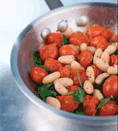 Non-soy legumes include a variety of beans, peas, and some seeds. They are commonly consumed in Western countries.






 There’s no difference in nutrient quality between organically and conventionally produced foods,