Dr. Irene just brought one home from the Stop-&-Shop. And it is homely, but very good.
Cut the ulgi (UHG-lee) fruit across, and it looks like a grapefruit. Peel back the pliable skin, and the segments separate to form bite-sized pieces that taste like a mild orange, but with more juice.
Researchers at the Fred Hutchinson Cancer Research Center, in Seattle, Washington tell us, “There have been no prospective studies of the association between the long-term use of these supplements (omega-3 fatty acids and others] and breast cancer risk….” until now.
The Advertising Standards Authority (ASA) told POM Wonderful that their UK billboard showing a bottle of pomegranate juice and a hangman’s noose, and proclaims the juice can “cheat death” must be taken down.
ASA says “We considered the evidence… but concluded that it fell short of showing any direct relation between consuming the product and a longer life.”
When added to optimal therapy, omega-3 didn’t improve long-term survival, according to the results of the “OMEGA-Trial” presented during the American College of Cardiology’s 58th Annual Scientific Sessions by researchers from the University of Heidelberg, in Germany. Continue reading Taking omega-3 after a heart attack→
Reactive oxygen species (ROS) are a component of the stress response that may contribute to muscle damage after eccentric exercise. That’s when the muscle elongates while under tension due to an opposing force being greater than the force generated by the muscle.
 Dr. Irene just brought one home from the Stop-&-Shop. And it is homely, but very good.
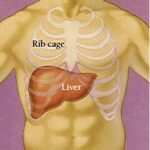 Researchers from Italy

 They’re among the cardinal signs of early pregnancy — experienced by 50% to 80% of women.
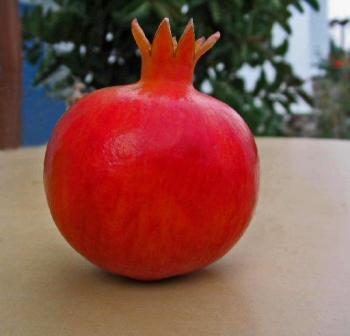 The Advertising Standards Authority (ASA)

 Researchers from Dalhousie University, in Halifax, Nova Scotia
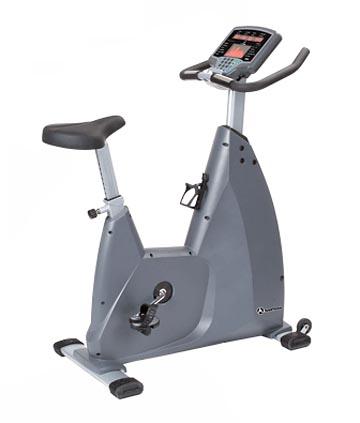 Researchers from Georgia College and State University in Milledgeville
 The Integrative Medicine Service, at Memorial Sloan-Kettering Cancer Center, in New York City offers their
 When added to optimal therapy, omega-3 didn’t improve long-term survival, according to the results of the “OMEGA-Trial”
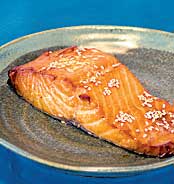 Researchers from the University of California, San Francisco
 Reactive oxygen species (ROS) are a component of the stress response that may contribute to muscle damage after eccentric exercise. That’s when the muscle elongates while under tension due to an opposing force being greater than the force generated by the muscle.
 Researchers from the University of Wollongong, in Australia,
 The effects of folic acid-containing supplements may differ from natural sources of folate,


 Researchers at the University of Ottawa, in Ontario