Should you eat more omega-3-rich fish for a healthier heart, or avoid fish because of contaminants, such as mercury?
Dr. Donald Hensrud, who is chair of Mayo Clinic’s Division of Preventive Medicine has posted his thoughts on MayoClinic.com. And, I found a useful link to safe seafood, state to state. Continue reading A guide to eating safe fish→
“The data available are insufficient to assess any potential benefit or harm from polyunsaturated fatty acids (PUFA) supplementation,” according to researchers from the Istituto Nazionale Neurologico Carlo Besta in Milan, Italy.
 Researchers from across Italy, the GISSI (Gruppo Italiano per lo Studio della Streptochinasi nell’Infarto Miocardico) investigators, report that omega-3 fatty acids improved morbidity and mortality in patients with symptomatic heart failure. Continue reading Omega-3 for heart failure→
A study published in the journal, eCAM, and summarized in an earlier post, reported a remission rate of 65% when Iyengar yoga was used to augment the effects of anti-depressant drugs in 20 adults with unipolar major depression in partial remission.
Among omega-3 fatty acids, alpha-linolenic acid (ALA) is converted to eicosapentaenoic acid (EPA), and docosahexaenoic acid (DHA), which are most readily used by the body.
Further research is needed, but Dr. Marlene Freeman from The University of Texas Southwestern Medical Center at Dallas brings us up to date. Continue reading CAM for perinatal depression→
Among older adults, modest consumption of fish is associated with a lower prevalence of subclinical brain infarcts (“tiny” strokes) — changes in the brain consistent with a stroke, but without the usual outward signs and symptoms. Continue reading Fatty fish and the risk of “tiny” strokes→
Farm-raised tilapia, one of the most highly consumed fish in America, has very low levels of beneficial omega-3 fatty acids and, perhaps worse, very high levels of omega-6 fatty acids, according to research from Wake Forest University School of Medicine.
Researchers from Johns Hopkins University in Baltimore have reviewed natural health products (NHPs) and antiretroviral drugs (ARVs). Here are the results
 An op-ed in The New York Times is critical of the effects of veganism (a vegetarian who omits all animal products from the diet) on young ones.
 It might be wine’s ability to raise omega-3 fatty acids,
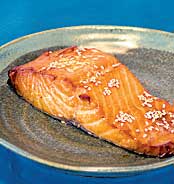 Â Should you eat more omega-3-rich fish for a healthier heart, or avoid fish because of contaminants, such as mercury?
 Â Researchers from Wageningen University in the Netherlands have
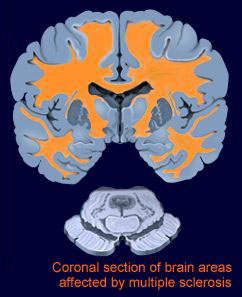 “The data available are insufficient to assess any potential benefit or harm from polyunsaturated fatty acids (PUFA) supplementation,” according to researchers from the Istituto Nazionale Neurologico Carlo Besta in Milan, Italy.
 A
 Researchers from St Boniface Hospital Research Centre in Winnipeg, Manitoba
 Further research is needed, but Dr. Marlene Freeman from The University of Texas Southwestern Medical Center at Dallas brings us up to date.
 Researchers from the University of Sydney in Australia have
 Farm-raised tilapia, one of the most highly consumed fish in America, has very low levels of beneficial omega-3 fatty acids and, perhaps worse, very high levels of omega-6 fatty acids, according to
 Researchers from Johns Hopkins University in Baltimore have