 Â In this study, the average PCB and DDT intakes were calculated to be 736 and 304 ng/day, respectively.
But what does that mean? And is it important? Continue reading Are omega-3 capsules contaminated?
 In this study, the average PCB and DDT intakes were calculated to be 736 and 304 ng/day, respectively.
But what does that mean? And is it important? Continue reading Are omega-3 capsules contaminated?
 That’s the conclusion from this Cochrane review. Continue reading Omega-3 not effective for Crohn’s disease, again
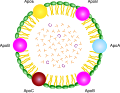 Nephrotic-range proteinuria is defined as urinating more than 3.5 grams of protein per day. That’s 25 times the normal amount, and is the primary indicator of the nephrotic syndrome — a group of diseases that damage the kidneys’ filtering system.
Researchers at the Glasgow Royal Infirmary in the United Kingdom looked at the effect of omega-3 fatty acids. Continue reading Omega-3 and the nephrotic syndrome
 Â Researchers at Hopital La Colombiere in Montpellier, France tell us, “The observed health benefits of fish consumption in the elderly could be related not only to the increase in omega-3 fatty acid intake but also to other nutrients such as selenium.” Continue reading Are the benefits of eating fatty fish due to selenium?
 Here’s a follow-up to an earlier post on the use of CAM in the US in 2007 as surveyed by the National Center for Complementary and Alternative Medicine (NCCAM). Continue reading Most commonly used natural products
 Â Researchers from Peking University People’s Hospital in Beijing reviewed studies concerning the effects of omega-3 fatty acids on the risk of dying in patients with coronary heart disease. Continue reading Omega-3 in patients with coronary heart disease
“Combining omega-3 fatty acids and a statin* is a safe and effective way to improve lipid levels and cardiovascular prognosis beyond the benefits provided by statin therapy alone†concluded researchers in this recent Mayo Clinic Proceedings review. Continue reading The heart benefits of omega-3 fatty acids
 Â Nutridata says yes. Continue reading Grain- vs grass-feed beef. Is there a difference?
 Perinatal depression includes major and minor depressive episodes during pregnancy or within the first 12 months following delivery.
Researchers from Taiwan report that taking omega-3 fatty acids might be beneficial. Continue reading Treating perinatal depression with omega-3
Researchers from Oklahoma State University in Stillwater report a positive response in a sea of inconsistency. Continue reading Lowering cholesterol with flaxseed in postmenopausal women
 But it does reduce the risk of death due to cardiac causes.
Those are the conclusions by researchers from Canada who combined the results of several studys and conducted a meta-analysis. Continue reading Fish oil doesn’t reduce the risk of arrhythmia
A group of Canadian researchers reviewed the medical literature on this topic.
Not all patents benefit from omega-3 fatty acids. Continue reading Caution taking fish oil supplements in people with implantable defibrillators
Here’s what the Cochrane Review reports. Continue reading Evaluating the role for omega 3 to treat Crohn’s disease
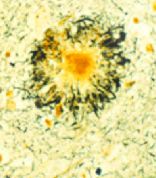 Â An omega-3 fatty acid supplement enriched with docosahexaenoic acid (DHA) may positively affect weight and appetite in patients with mild to moderate Alzheimer’s disease, according to researchers at the Karolinska University Hospital Huddinge in Stockholm, Sweden. Continue reading Benefits of omega-3 in Alzheimer’s disease
 The National Center for Complementary and Alternative Medicine (NCCAM) reports that approximately 38% of adults and 12% of children use some form of CAM. Continue reading CAM use in the US
Is there a role for omega-3, red yeast rice, and garlic in preventing cardiovascular problems? Continue reading 3 CAM options to replace statins???
 Â Increasing degrees of sleep apnea are associated with lower blood levels of omega-3 fatty acids, according to researchers at the University of Missouri at Kansas City.
Here are the findings presented during CHEST 2008, the American College of Chest Physicians 74th Annual Scientific Assembly. Continue reading Sleep apnea and the relation to omega-3 fatty acids
Researchers from the University of South Dakota in Sioux Falls have reviewed the rationale for recommending long-chain omega-3 fatty acids — eicosapentaenoic acid and docosahexaenoic acid (EPA and DHA) — in pill or fish form for general heart health.
Here it is in case your forgot. Continue reading Rationale for omega-3 fatty acids in heart disease
 The World Health Organization has predicted a 39% rise in the worldwide prevalence of diabetes by 2030. And an article in The Lancet indicates this might be an underestimation.
Since November is Diabetes Month, here’s a round-up of CAM options for people with diabetes from 2006 through March 2007.
Continue reading CAM and diabetes: An update of recent studies
Here’s a review of the evidence by researchers at the University of Western Australia in Perth. Continue reading The role of CAM to treat anxiety and depression