A new book by medical writer, Susan Allport, contends that a little-known family of polyunsaturated fatty acids called omega-6s has permeated the Western diet and nullified the impact of heart disease-fighting omega-3s. You will probably hear more about this book, “The Queen of Fats,” over the next few weeks.
How do these two essential fatty acids compare? Here are some highlights according to the University of Maryland Medical Center website.
For this study, researchers created a computer-simulated community of 100,000 people that resembled the population of Olmsted County, Minnesota, in 2000.
By raising omega-3 fatty acid levels among all the Olmsted cyber-citizens, the researchers estimated that the overall death rate could be reduced 6.4%. By contrast, automated external defibrillators (AEDs) reduced death rates by 0.8%, and implanted defibrillators reduced deaths by 3.3%.
Don’t laugh. Computer-simulated research could be the next big thing, especially where the cost of healthcare is concerned.
In July, two studies in well-respected ophthalmology journals came to different conclusions on this topic.
First, the good news. Then, the not so good news. Finally, news you can use.
Harvard researchers concluded that increased intake of fish reduced the risk of age-related macular degeneration (AMD) — particularly for 2 or more servings per week. Also, higher intake of dietary omega-3 fatty acid was associated with a lower risk of AMD. The study population came from the National Research Council World War II Veteran Twin Registry.
Contrary to this, researchers from the University of Ottawa reviewed 6 studies and concluded that the results were inconsistent and they couldn’t say for sure.
Three of 16 products failed the content analysis test. One product did not release its ingredients and two others had less than half the expected ingredients.
That’s less than a 20% failure rate, which is better than often reported by this lab.
What is the value in avoiding dust mites and increasing omega-3 fatty acids in a child’s diet — especially in children at high risk of developing asthma because of a family history? Lots of research has gone on down under to answer this question. It’s part of the CAPS trial (Childhood Asthma Prevention Study).
 A new book by medical writer, Susan Allport, contends that a little-known family of polyunsaturated fatty acids called omega-6s has permeated the Western diet and nullified the impact of heart disease-fighting omega-3s. You will probably hear more about this book, “The Queen of Fats,” over the next few weeks.
 For this study, researchers created a computer-simulated community of 100,000 people that resembled the population of Olmsted County, Minnesota, in 2000.
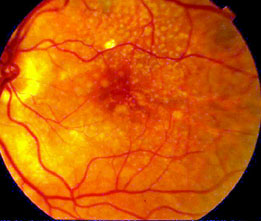 In July, two studies in well-respected ophthalmology journals came to different conclusions on this topic.
 Three of 16 products
 What is the value in avoiding dust mites and increasing omega-3 fatty acids in a child’s diet — especially in children at high risk of developing asthma because of a family history? Lots of research has gone on down under to answer this question. It’s part of the CAPS