For infants who must be feed using nutrition injected directly into a large blood vessel, the development of liver disease is a life-threatening long-term complication.
A breakfast containing omega-3 enriched liquid eggs significantly decreased blood triglyceride levels by 32% and the triglyceride:HDL-cholesterol ratio by 37%.
That’s good!
There was also a moderate reduction in blood pressure. By comparison, the control breakfast had no such effects.
Omega-3 enriched eggs are on the shelves in food stores around the country. An enriched eggs is the same as a classic egg, except it contains higher levels of the polyunsaturated fatty acid called omega-3.
Here’s a comparison of fats in enriched eggs vs “classic” eggs.
Canola oil and products that contain canola oil can now place the following statement on the label.
“Limited and not conclusive scientific evidence suggests that eating about 1 1/2 tablespoons (19 grams) of canola oil daily may reduce the risk of coronary heart disease due to the unsaturated fat content in canola oil. To achieve this possible benefit, canola oil is to replace a similar amount of saturated fat and not increase the total number of calories you eat in a day.”
Of course we don’t know for sure if it does improve mood, but just in case, Dr. Sarah Conklin from the department of psychiatry at the University of Pittsburgh has a possible mechanism.
She presented the results of this study during the American Psychosomatic Society’s Annual Meeting in Budapest, Hungary.
According to 2 studies summarized earlier, modifying the dietary intake of omega-3 and -6 fatty acids during early childhood does not change the risk of getting asthma later on.
Now, we have a study of fish, butter, and margarine consumption during pregnancy and development of allergy in the offspring.
A literature review by two researchers at York University in Toronto “suggest[s] that omega-3 PUFAs are an attractive adjunctive treatment for joint pain associated with rheumatoid arthritis, inflammatory bowel disease, and dysmenorrhea [painful menstruation].”
Results were positive for most measures of outcome.
These researchers observed an association between anxiety disorders and substance abuse. They also observed that substance abusers tend to have poor dietary habits.
Omega-3 fatty acid consumption has been linked to reductions in the risk of death from heart disease.
Now, researchers from the University of Missouri-Kansas City School of Medicine report that omega-3 acts directly on the heart rather than acting through the vagus nerve, which normally regulates the heart rhythm.
Omega-3 fatty acids benefit the heart of healthy people, and those who are at high risk of heart disease or already have it. And I suppose when it becomes a prescription drug, it’s no longer complementary but integrated into mainstream medicine.
Modest consumption of fish — one to two servings a week — may reduce the risk of coronary death by 36% and the actual death rate by 17%, according to Harvard researchers.
Medscape just published an article on the benefits of lowering triglycerides, and the use of omega-3 fatty acids. Read it if you’re so inclined, or if you’re an MD and need the continuing education credits. If not, here’s the take-home info.
A study of 61,000 adult women in Sweden reports that eating fatty fish lowers a woman’s risk of kidney cancer. Fatty fish included salmon, herring, sardines, and mackerel. Lean fish included cod, tuna, and sweet water fish.
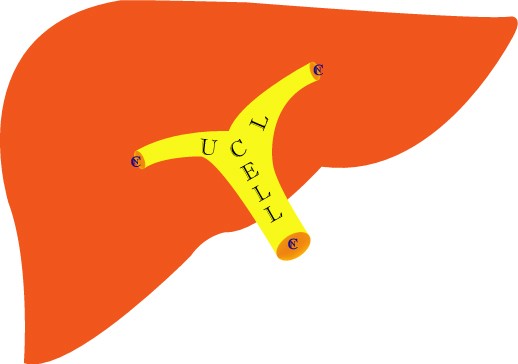 For infants who must be feed using nutrition injected directly into a large blood vessel, the development of liver disease is a life-threatening long-term complication.
 Over 3 decades, the potential health benefits of omega-3 polyunsaturated fatty acids have been studied, debated, and explained.
 A breakfast containing omega-3 enriched liquid eggs significantly decreased blood triglyceride levels by 32% and the triglyceride:HDL-cholesterol ratio by 37%.
 The answer (in the UK at least) is yes when taken by patients after their first heart attack.
 Of course we don’t know for sure if it does improve mood, but just in case, Dr. Sarah Conklin from the department of psychiatry at the University of Pittsburgh has a possible mechanism.
 A literature review by two researchers at York University in Toronto “suggest[s] that omega-3 PUFAs are an attractive adjunctive treatment for joint pain associated with rheumatoid arthritis, inflammatory bowel disease, and dysmenorrhea [painful menstruation].”
 These researchers
 Medscape just published an