Here’s a summary of his most recent research, and an overview of the past 3 years. Continue reading Self-hypnosis and biofeedback for spinal-cord injury pain →
concluded , “The identification of food triggers, with the help of food diaries, is an inexpensive way to reduce migraine headaches.”
Here’s their list of triggers and treatments. Continue reading Foods and supplements to help manage migraine →
reviewed the evidence and mince no words in their conclusions. Continue reading Breastfeeding? Avoid smoking marijuana →
studied by researchers in China. Continue reading Benefits of tai chi in older women with osteoarthritis →
report that taking omega-3 reduced the need for taking the granddaddy of non-steroidal anti-inflammatory drug (NSAID) treatment of rheumatoid arthritis. Continue reading Effect of omega-3 on NSAID treatment of rheumatoid arthritis →
Researchers from Alcalá de Henares University, in Madrid, Spain studied the effectiveness of early physiotherapy following breast cancer surgery. Continue reading Physiotherapy and the risk of lymphoedema after breast cancer surgery →
examined the association among the use of herbals and patients’ adherence to prescribed inhaled steroids, and drug treatment and disease beliefs. Continue reading Negative effects of herbals on asthma control →
Now, researchers from the Center for Holistic Urology at Columbia University Medical Center and New York-Presbyterian Hospital/Columbia are starting a systematic evaluation in patients. Continue reading Initial study of Zyflamend for prostate cancer →
report “Feldenkrais Method balance classes may improve mobility and balance in older adults.” Continue reading Feldenkrais method improves balance in older adults →
reviewed the risks. Continue reading The risk of taking herbals by patients with heart disease →
researchers from the US and Canada. Continue reading Food restriction and diverticular disease →
American Journal of Clinical Nutrition along with an editorial that helped put it all in perspective.
Let’s summarize the results. Continue reading Three studies of fatty acids in the elderly →
here earlier, 4 decades of research support recommending that older people take “minimum doses of 1200 mg of calcium, and 800 IU of vitamin D (for combined calcium plus vitamin D supplementation).” Continue reading Calculate your intake of calcium →
But with the general anesthetic techniques available today, does this practice make sense?
This Cochrane review addresses the issue. Continue reading Should oral intake be restricted during labor? →
What seems to be new in this study by researchers at Uppsala University in Sweden is the duration of follow-up. Continue reading The Gotland Low Back Pain Study →
report . Continue reading Transendental Meditation in blood pressure control →
Research conducted at Cairo University, in Egypt supports this belief. Continue reading Camel milk for treating type 1 diabetes →
Posts navigation
Complementary and Alternative Medicine: Fair, Balanced, and to the Point
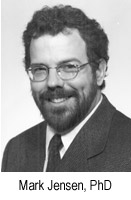 Dr. Mark Jensen (photo), who is Professor and Vice Chair, Department of Rehabilitation Medicine at the University of Washington, in Seattle has published a series of studies on this topic.
 Reviewers from The New York Headache Center





 Laboratory research suggests that Zyflamend — an extract containing 10 herbs — decreases prostate cancer growth.
 Researchers from The University of Melbourne, in Victoria, Australia

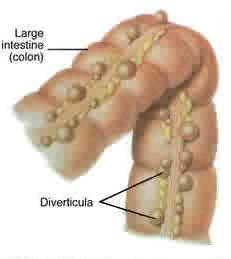 Eating nuts, corn, and popcorn don’t increase the risk of diverticulosis (pouches in the lining of the colon that bulge through weak spots) or its complications, according to
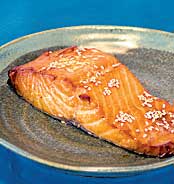 They appeared in an issue of the
 As reported

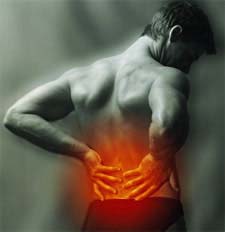 Just another study of manual therapy for low back pain?

 There’s a traditional belief in the Middle East that regular consumption of camel milk may aid in prevention and control of diabetes.