Researchers in Germany and Iran conducted the first placebo-controlled study of lavender essential oil to treat migraine headaches. Continue reading Lavender essential oil to treat migraine →
This study suggests there’s another reason. Continue reading The role of expectation on the response to lavender aromatherapy →
studied the anxiolytic effect of Silexan, an oral lavender oil capsule preparation, compared to placebo. Continue reading Antianxiety effects of silexan, an oral lavender preparation →
reviewed the association between dietary fiber intake and risk of breast cancer. Continue reading Dietary fiber and the risk of breast cancer →
examined whether the total daily dose of zinc might explain part of the variation in the results of previous studies. Continue reading Effect of the dose of zinc lozenges on the common cold →
Researchers at Uppsala University Hospital, in Sweden, studied the effects of cognitive behavioral therapy (CBT) on the recurrence of cardiovascular disease. Continue reading CBT and the risk for heart disease →
surveyed the prevalence of CAM use in patients with inflammatory bowel disease. Continue reading CAM use in the Manitoba IBD Cohort Study →
reanalyzed data from the Women’s Antioxidant Cardiovascular Study (WACS ), a cohort of women with prevalent vascular disease or 3 cardiovascular risk factors. Continue reading Support for exercise to preserve cognitive function →
One consumer below thinks it no big deal.
Consumers who have Man Up Now capsules should stop using them, because the FDA determined it contains sulfoaildenafil, a chemical similar to sildenafil, and the active ingredient in Viagra. Continue reading Consumer Alert: Man Up Now capsules →
Researchers at Hopitaux de Paris, Groupe Hospitalier Pitie-Salpetriere, in Paris, France, studied the response to wearing compression stockings during the day. Continue reading Using compression stockings to treat sleep apnea →
Researchers at the Oregon Research Institute, in Eugene, studied whether a tailored tai chi program could improve postural control in patients with Parkinson’s disease. Continue reading Tai chi benefits in Parkinson’s disease →
Researchers at Maastricht University Medical Center, in The Netherlands, investigated whether an urban environment contributes to the effects of adolescent cannabis use on psychosis risk. Continue reading Effect of an urban environment on cannabis psychosis risk →
evaluated the evidence that omega-3 polyunsaturated fatty acid supplementation reduces morbidity and mortality. Continue reading Omega-3 for cystic fibrosis →
assessed whether exercise during pregnancy might prevent gestational diabetes and improves insulin resistance. Continue reading Exercise during pregnancy →
Researchers at the University of Oxford, in the UK, assessed the relation between fruit and vegetable intake and risk of death from ischemic heart disease in the European Prospective Investigation into Cancer and Nutrition (EPIC)-Heart study . Continue reading Fruit, veggies, and the risk of death from ischemic heart disease →
Researchers in Spain report that the music+art combination reduced apathy in patients with mild or moderate dementia. Continue reading Music plus art therapy for dementia-related apathy →
reviewed the evidence. Continue reading Yoga appears to be beneficial for people with pain →
Researchers at York University, in Toronto, Ontario, evaluated women with fibromyalgia before and after a yoga class. Continue reading Potential benefits of yoga for fibromyalgia →
investigated the association between vitamin D blood levels and depression. Continue reading Linking vitamin D and depression →
Researchers from North Carolina and Maryland, put this belief to the test . Continue reading Does losing weight reduce your risk of early death? →
Posts navigation
Complementary and Alternative Medicine: Fair, Balanced, and to the Point
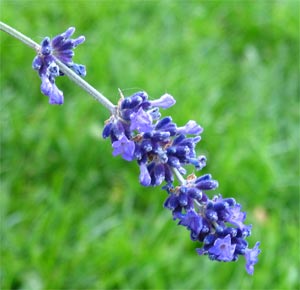 It’s used for depression, headache, hypertension, insomnia, migraine, nervous tension, and other stress-related conditions.
 Different theories attempt to explain the relaxation response to lavender aromatherapy.