 Dr. Désirée Lie from the University of California at Irvine Medical Center has reviewed the literature.
She presents case histories and guidelines for its use. Here are the highlights. Continue reading What’s zinc good for?
Dr. Désirée Lie from the University of California at Irvine Medical Center has reviewed the literature.
She presents case histories and guidelines for its use. Here are the highlights. Continue reading What’s zinc good for?
 Researchers from Canada compared the effects of a low-glycemic index (GI) diet vs a high-cereal fiber diet in patients with type 2 diabetes. Continue reading Benefits of a low-glycemic index in diabetes
 The difference between green, black, and oolong tea is in the processing. Green tea is made from unfermented leaves and contains the highest concentration of polyphenols, such as cathecin. Polyphenols are powerful antioxidants. They neutralize free radicals in the body that contribute to the aging process, as well as the development of cancer and heart disease.
Now, a study has looked at the process of brewing green tea to get the best antioxidant effect.
Continue reading How to brew green tea for the best antioxidant effect
 Â But it does reduce the risk of death due to cardiac causes.
Those are the conclusions by researchers from Canada who combined the results of several studys and conducted a meta-analysis. Continue reading Fish oil doesn’t reduce the risk of arrhythmia
 Â Dr. Harvey Simon, who is editor of the Harvard Men’s Health Watch, cuts through the clutter and provides 10 resolutions for 2009.
Surprise! They’re all complementary. Continue reading Complementary New Year Resolutions
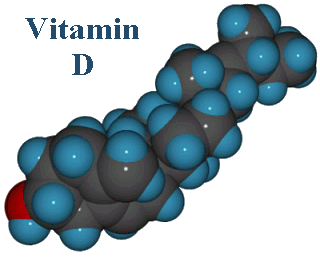 Vitamin D, of course.
A PubMed search revealed 146 studies in humans during 2008 for a dizzying list of conditions. Continue reading Biggest winner in CAM for 2008
A group of Canadian researchers reviewed the medical literature on this topic.
Not all patents benefit from omega-3 fatty acids. Continue reading Caution taking fish oil supplements in people with implantable defibrillators
  Some of the weight loss products listed below claim to be “natural†or to contain only “herbal†ingredients.
The FDA found they actually contain potentially harmful ingredients not listed on the product labels or in promotional advertisements. Continue reading Consumer Alert: More tainted weight loss products
Researchers from the Medical University of South Carolina in Charleston have published a detailed review.
Their interest relates to the needs of vitamin D in the breastfeeding mother and her infant and child, but they also present a detailed and well-referenced review. Continue reading Update on vitamin D
 Â The American College of Gastroenterology has published new guidelines for the management of irritable bowel syndrome (IBS).
Let’s focus on their view of herbals, acupuncture, and diet. Continue reading New recommendations to treat IBS
 Giving zinc tablets reduces the duration and severity of diarrhea in children, according to researchers from the Medical College of Georgia in Augusta. Continue reading Using zinc to treat diarrhea
 Here’s what the Cochrane Review reports. Continue reading Evaluating the role for omega 3 to treat Crohn’s disease
 Â The benefits of isoflavone depend on converting soy foods and supplements to biologically active compounds such as equol, which occurs in the intestines and is altered by age-associated conditions.
Researchers from the University of Wisconsin in Madison studied the effects of soy in older nondemented men and women. Continue reading Soy isoflavones in the elderly
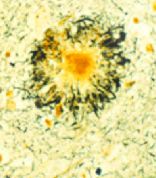 Â An omega-3 fatty acid supplement enriched with docosahexaenoic acid (DHA) may positively affect weight and appetite in patients with mild to moderate Alzheimer’s disease, according to researchers at the Karolinska University Hospital Huddinge in Stockholm, Sweden. Continue reading Benefits of omega-3 in Alzheimer’s disease
 The FDA has evaluated the scientific evidence for garlic intake with respect to the risk of different types of cancer. Continue reading Garlic and the risk of cancer
Yes, “economic incentives produced significant weight loss” short-term, according to researchers in Pennsylvania. Continue reading Can you pay people to lose weight?
 The National Center for Complementary and Alternative Medicine (NCCAM) reports that approximately 38% of adults and 12% of children use some form of CAM. Continue reading CAM use in the US
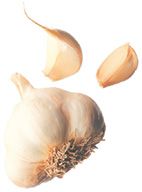 Â Researchers from the Russian Academy of Medical Sciences report positive effects on lipid blood levels when people with mild hypercholesterolemia were treated with a slow-release garlic product called Allicor. Continue reading Slow-release garlic for cholesterol
 Â Researchers from The Pennsylvania State University at University Park studied the effect of reducing the energy density (ED) of multiple meals on the dietary choices of preschool-age children. Continue reading Reducing the energy density of childrens’ diets
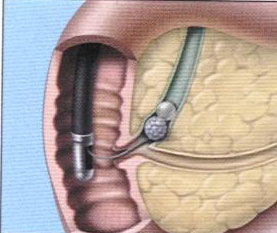 Endoscopic retrograde cholangiopancreatography (ERCP) is used to diagnose and treat conditions of the bile ducts, including gallstones, inflammatory strictures (scars), leaks (from trauma and surgery), and cancer.
Researchers from Chiba University in Japan used shakuyaku-kanzo-to (TJ-68) to suppress spasms of the small intestine during ERCP procedures. Continue reading Herbal alternative to control intestinal spasm