 Â There are those who recommend substantial reductions in omega-6 fatty acid intake. Now, the American Heart Association (AHA) says, “enough already.” Continue reading Benefits of omega-6 fatty acids
Category Archives: Omega-6 Fatty Acids
Grain- vs grass-feed beef. Is there a difference?
 Â Nutridata says yes. Continue reading Grain- vs grass-feed beef. Is there a difference?
Effect of omega-3 and -6 on colorectal adenoma risk
 Â Researchers from Wageningen University in the Netherlands have studied the relationship between omega-3 and -6 fatty acids and the risk of colorectal adenoma — a benign tumor. Continue reading Effect of omega-3 and -6 on colorectal adenoma risk
Mediterranean diet: Protective against melanoma
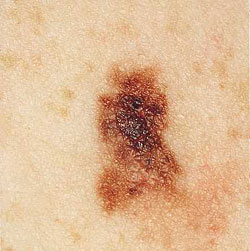 Researchers from Istituto Dermopatico dell Immacolata in Rome, Italy report its effect on the risk for cutaneous melanoma — the cancer diagnosed in Senator McCain. Continue reading Mediterranean diet: Protective against melanoma
Fatty fish and the risk of “tiny” strokes
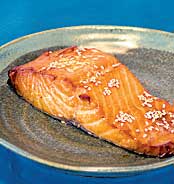 Among older adults, modest consumption of fish is associated with a lower prevalence of subclinical brain infarcts (“tiny” strokes) — changes in the brain consistent with a stroke, but without the usual outward signs and symptoms. Continue reading Fatty fish and the risk of “tiny” strokes
Tilapia: low in omega-3, high in omega-6 fatty acids
 Farm-raised tilapia, one of the most highly consumed fish in America, has very low levels of beneficial omega-3 fatty acids and, perhaps worse, very high levels of omega-6 fatty acids, according to research from Wake Forest University School of Medicine.
Catfish rate poorly too. Continue reading Tilapia: low in omega-3, high in omega-6 fatty acids
Is the omega-6/-3 ratio still important?
In her book, Queen of Fats, medical writer Susan Allport contends that for optimum health and disease prevention, the balance should be one to four times more omega-6 fatty acids than omega-3 fatty acids.
Here’s a different view. Continue reading Is the omega-6/-3 ratio still important?
Fatty acids and behavior in adolescents with ADHD
 This study shows that there are metabolic differences in the way that adolescents with attention-deficit hyperactivity disorder (ADHD) handle dietary fatty acids compared to young people without ADHD. Continue reading Fatty acids and behavior in adolescents with ADHD
Preventing pressure ulcers
They occur when the skin breaks down after staying in one position for too long. Constant pressure against the skin reduces the blood supply and the tissue dies.
It’s a problem for people in a wheelchair or bedridden. Continue reading Preventing pressure ulcers
ConsumerLab.com tests omega-3 and -6 fatty acid products
 Â More than 90% passed the quality control test. Continue reading ConsumerLab.com tests omega-3 and -6 fatty acid products
Exploring the relationship between depression, diet, and heart disease
 Older adults who follow diets high in omega-6 fatty acids and low in omega-3 fatty acids have higher levels of proinflammatory cytokines — especially when they have coexisting symptoms of depression.
It’s important because depression is linked to the development of heart disease — a relationship that appears to be due to increased levels of proinflammatory cytokines (eg, interleukins and tumor necrosis factor alpha). Continue reading Exploring the relationship between depression, diet, and heart disease
Omega-3 fatty acid supplementation and the risk of asthma in children
 Recently, 2 studies (here and here) showed that increasing the amount of omega-3 fatty acids in the diet of pregnant women had many benefits for their children years later.
Unfortunately, modifying the dietary intake of omega-3 and -6 fatty acids during early childhood does not change the risk of getting asthma later on.
Continue reading Omega-3 fatty acid supplementation and the risk of asthma in children
Herbal supplements for weight loss: What works, what doesn’t
 In preparation for the upcoming weight management conferences in Europe, here is what we know about the value of herbals as an aid to weight loss.
Continue reading Herbal supplements for weight loss: What works, what doesn’t
Does dietary intake of omega-3 fatty acids lower the risk of type 1 diabetes?
Type 1 diabetes (juvenile diabetes) accounts for 5% to 10% of all patients with diabetes.
Now, The Diabetes Autoimmunity Study in the Young (DAISY) reports an association between high dietary intake of omega-3 and a lower incidence of type 1 diabetes. Continue reading Does dietary intake of omega-3 fatty acids lower the risk of type 1 diabetes?
Could your diet make you violent?
 The Guardian reports and Clayton Cramer’s blog has summarized the research on a potential link between an omega-3 fatty acid deficiency and increased violence.
Here’s the evidence so far.
Preventing liver disease in infants getting parenteral nutrition
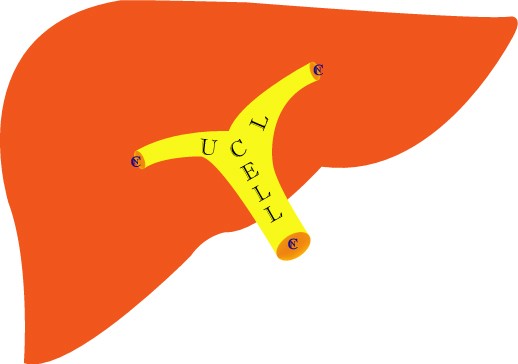 For infants who must be feed using nutrition injected directly into a large blood vessel, the development of liver disease is a life-threatening long-term complication.
The condition is called parenteral nutrition associated liver disease (PNALD), and a study presented during the annual meeting of the Pediatric Academic Societies reports that injecting fish-oil based omega-3 lipids is safe and effective treatment. Continue reading Preventing liver disease in infants getting parenteral nutrition
A major review of omega 3 fatty acids
Over 3 decades, the potential health benefits of omega-3 polyunsaturated fatty acids have been studied, debated, and explained.
If you’ve been looking for a single authoritative and well-documented source on this subject, look no further than this article in the Journal of Nurse Practitioners on Medscape. Continue reading A major review of omega 3 fatty acids
Effect of diet during pregnancy on allergenicity of offspring
According to 2 studies summarized earlier, modifying the dietary intake of omega-3 and -6 fatty acids during early childhood does not change the risk of getting asthma later on.
Now, we have a study of fish, butter, and margarine consumption during pregnancy and development of allergy in the offspring.
Continue reading Effect of diet during pregnancy on allergenicity of offspring
Omega-6: “The Queen of Fats”
 A new book by medical writer, Susan Allport, contends that a little-known family of polyunsaturated fatty acids called omega-6s has permeated the Western diet and nullified the impact of heart disease-fighting omega-3s. You will probably hear more about this book, “The Queen of Fats,” over the next few weeks.
How do these two essential fatty acids compare? Here are some highlights according to the University of Maryland Medical Center website.
Herbals that provide some pain relief
 Here is a list of herbal medicines with documented effectiveness as pain relievers. The source of this information summarizes the dose, route of administration, conditions treated, and safety information.