 Researchers from Maharishi University of Management Research Institute, in Maharishi Vedic City, Iowa report. Continue reading Transendental Meditation in blood pressure control
Category Archives: C. MIND-BODY THERAPIES
What we know about mindfulness meditation in substance use disorders
 Substance use disorders refer to conditions arising from the abuse of alcohol and psychoactive drugs.
Researchers from the University of Wisconsin in Madison reviewed the existing evidence for using mindfulness meditation — the practice of directing your full attention to the present. Continue reading What we know about mindfulness meditation in substance use disorders
Tai chi exercise for patients with heart disease
 Researchers from Boston reviewed studies of tai chi exercise in patients with cardiovascular disease or its risk factors. Continue reading Tai chi exercise for patients with heart disease
Yoga to lower blood pressure in HIV adults
 People living with HIV infection are at increased risk for developing cardiovascular disease.
Researchers from Washington University School of Medicine, in St Louis, Missouri evaluated the effects of yoga lifestyle intervention in HIV-infected adults. Continue reading Yoga to lower blood pressure in HIV adults
Complementary treatments for Alzheimer’s
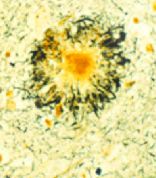 Dr. James Galvin from the Alzheimer’s Disease Research Center at Washington University School of Medicine in St. Louis, Missouri has written are review on Medscape.
Here are his thoughts on the value of nonpharmacologic strategies in support of drug treatment. Continue reading Complementary treatments for Alzheimer’s
Benefits of Tango for patients with Parkinson’s disease
 Researchers from the Washington University School of Medicine, in St. Louis, Missouri compared the effects of Tango, Waltz/Foxtrot, and tai chi. Continue reading Benefits of Tango for patients with Parkinson’s disease
Task-oriented biofeedback improves gait in stroke patients
 Researchers from the Don Gnocchi Foundation I.R.C.C.S., in Milan, Italy tell us electromyographic biofeedback (EMG-BFB) shows equivocal benefits on gait retraining after stroke.
In this study they evaluated EMG-BFB applied in a task-oriented approach to increase peak ankle power of the affected leg and gait velocity in patients with hemiparesis. Continue reading Task-oriented biofeedback improves gait in stroke patients
Benefits and limits of music during colonoscopy
 Researchers from the University of Missouri School of Medicine, in Columbia reviewed 8 studies and came to different conclusions than researchers at The Chinese University of Hong Kong.
Let’s compare notes. Continue reading Benefits and limits of music during colonoscopy
Notched music to treat tinnitus
 Recent studies suggest that tinnitus — a ringing or similar sensation in the ears — is caused by a rewiring of nerves in the auditory cortex (see drawing). These nerves no longer respond to intended frequencies but do become sensitive to neighboring frequencies, which leads to tinnitus.
Researchers from Germany “notched” music so it contained no energy in the same frequency range as the individual’s tinnitus frequency. Continue reading Notched music to treat tinnitus
Any benefits of strength training in cerebral palsy?
 Not in children and adolescents according to this review by researchers at The University of Sydney, in Australia. Continue reading Any benefits of strength training in cerebral palsy?
Non-drug treatments for dementia
 Researchers from the University of Leeds, in the UK reviewed the options for caregivers of patients with dementia. Continue reading Non-drug treatments for dementia
Benefits of yoga in firefighters
 Perhaps it defies your mental image of firefighters, but researchers from The City University of New York report their findings. Continue reading Benefits of yoga in firefighters
Psychological treatment for cystic fibrosis
 Cochrane reviewers report, “no clear evidence exists on the best psychological interventions to help people with cystic fibrosis.” Continue reading Psychological treatment for cystic fibrosis
Review: Tai chi for chronic musculoskeletal pain
 Researchers from The University of Sydney, Sydney, in Australia reviewed the literature. Continue reading Review: Tai chi for chronic musculoskeletal pain
Benefits of yoga for African Americans with heart failure
 Researchers from Georgia State University, in Atlanta measured several favorable changes in adults who practiced yoga. Continue reading Benefits of yoga for African Americans with heart failure
CAM treatments for irritable bowel syndrome
 Several can be recommended as part of an evidence-based approach to treating irritable bowel syndrome (IBS), according to researchers from the University of Ottawa in Ontario. Continue reading CAM treatments for irritable bowel syndrome
Benefits of soothing music following open-heart surgery
 Researchers from Orebro University, in Sweden studied the effect of bed rest + music on relaxation in patients 1 day after heart surgery. Continue reading Benefits of soothing music following open-heart surgery
Tai chi is effective in severe knee osteoarthritis
 That’s the conclusion by researchers at Tufts Medical Center who presented their research at the American College of Rheumatology Annual Scientific Meeting. Continue reading Tai chi is effective in severe knee osteoarthritis
Thomas Jefferson’s menopause recommendations
 To manage vasomotor symptoms, researchers from Thomas Jefferson University in Philadelphia recommend “lifestyle changes in all women.” Continue reading Thomas Jefferson’s menopause recommendations
Promising results with tai chi in diabetes
 Diabetes-induced damage to peripheral nerves culminates in peripheral diabetic neuropathy, one of the most devastating complications of diabetes mellitus and a leading cause of foot amputation.
Researchers from Chang Gung University, in Taiwan studied the effect of tai chi chuan exercise on the action of peripheral nerves in patients with type 2 diabetes mellitus. Continue reading Promising results with tai chi in diabetes