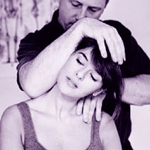
A survey of university hospitals in Germany uncovered the typical findings in people who experience vertebral artery dissection (VAD) following chiropractic neck manipulation.
There’s one hospital in Sweden where anthroposophic medicine is practiced. Here is a study of its effect in 60 women who received conventional breast cancer treatment with and without anthroposophic care.
An article in a recent issue of AARP The Magazine (and online) makes trivial and misleading recommendations for treating impotence (aka: erectile dysfunction [ED]).
Fall-related injuries are the leading cause of injury, deaths, and disabilities among adults older than 65 years. Minimizing the fall risk is a practical approach to reducing these serious injuries.
Spinal manipulation (SM) is a traditional treatment practiced by chiropractors, osteopaths, physiotherapists, and other healthcare providers mostly (but not exclusively) to treat musculoskeletal problems. SM can be described as the use of hands or force applied to the patient to achieve a therapeutic outcome.
The literature supports SM for treating back pain, but not much else.
Legislation has been submitted in Ontario, Canada to regulate acupuncture and traditional Chinese medicine. This is the culmination of an ongoing process that started in Canada in 1994. The proposed legislation would create a self-governing regulatory college, and restrict the practice of acupuncture to members of the profession who would be able to use title, doctor.
In North America, it’s the latest event in the growth of acupuncture, which was virtually unknown here until 1972 when China opened its doors to the West.
“Many chiropractors and other manipulative therapists purport to treat autism and related disorders with good improvements,” according to a review in Clinical Chiropractic.
Aside from case reports, support for the role of chiropractic is limited to one study in 26 autistic children who were followed for 9 months.
Here’s a series of quotes from the October (Volume 12, 2006) editorial in Alternative Therapies in Health and Medicine that I think contrasts the points of view between alternative and mainstream medicine today. Is the alternative perspective too esoteric to be of practical value? Or is the mainstream approach (for chronic diabetes for example) destined to come up short? Or is the answer somewhere in the middle?
Feeling tired, overwhelmed, stress out? Maybe more physical contact with the baby is the answer.
A study of the effects of baby massage on mothers? mood status concluded ?- as we would have guessed — baby massage has a positive effect on the mood status of the mothers.
In an earlier post it was concluded that lavender oil treatments might be helpful for treating insomnia in adults. Children with autism often have sleep difficulties. But this latest study suggests it does not appear that their sleep patterns are altered by this treatment.
The aims of balneotherapy (treatment of disease by bathing) are to soothe the pain, improve joint motion, and as a consequence, relieve people’s suffering and make them feel well.
Although most studies report positive outcomes, the trials are so poorly designed that “positive findings” should be viewed with caution, according to the Cochrane Collaboration, which included studies up to 2002.
Dr. Patricia Grimm practices nursing as a psychiatric consultation liaison at the St. Joseph Medical Center in Towson, Maryland. A few years ago I interviewed her, and she provided useful insight into the value and contributions of massage in healthcare.
If you are skeptical of the contribution of massage to healthcare, or if you are just looking for a well-reasoned rationale for massage, go here to read the complete article.
The vagus nerve stimulator (VNS), “would have been unimaginable only a generation ago. After being implanted in a patient’s chest, … research suggests that repeated electronic stimulation of the vagus nerve can help treat severe depression”, saysThe New York Times.
It’s an interesting article, but here’s what you need know.
Three or four short, brisk walks during the day are more helpful to people watching their blood pressure than one continuous 40-minute work-out in a gym.
The risk of gastroesophageal reflux disease (GERD) is directly linked to a woman’s body mass index (BMI), according to the results of a study published in The New England Journal of Medicine. Continue reading Got GERD? Watch your weight.→
Complementary and Alternative Medicine: Fair, Balanced, and to the Point
 Rumination is the voluntary or involuntary regurgitation and rechewing of partially digested food that is either reswallowed or expelled.
 A
 A survey of more than a thousand people trying to quit smoking
 There’s one hospital in Sweden where anthroposophic medicine is practiced. Here is a
 This review concludes that spinal manipulation and acupuncture are not cost-effective for low-back pain.
 An article in a recent issue of AARP The Magazine (and
 Fall-related injuries are the leading
 Spinal manipulation (SM) is a traditional treatment practiced by chiropractors, osteopaths, physiotherapists, and other healthcare providers mostly (but not exclusively) to treat musculoskeletal problems. SM can be described as the use of hands or force applied to the patient to achieve a therapeutic outcome.
 Legislation has been
 “Many chiropractors and other manipulative therapists purport to treat autism and related disorders with good improvements,” according to a review in Clinical Chiropractic.
 Feeling tired, overwhelmed, stress out? Maybe more physical contact with the baby is the answer.
 The aims of balneotherapy (treatment of disease by bathing) are to soothe the pain, improve joint motion, and as a consequence, relieve people’s suffering and make them feel well.
 I signed up for the Harvard Health Letter last night. This morning they sent a free report titled, Living to 100: What’s the Secret?
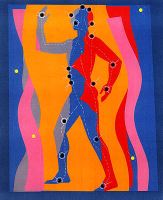 Two studies published in the British Medical Journal provide a little more support for using acupuncture to treat chronic low back pain.
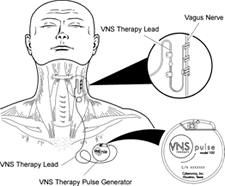 The vagus nerve stimulator (VNS), “would have been unimaginable only a generation ago. After being implanted in a patient’s chest, … research suggests that repeated electronic stimulation of the vagus nerve can help treat severe depression”,
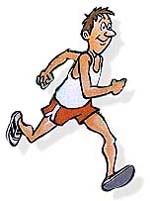 Three or four short, brisk walks during the day are more helpful to people watching their blood pressure than one continuous 40-minute work-out in a gym.
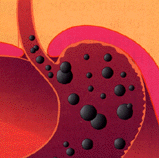 The risk of gastroesophageal reflux disease (GERD) is directly linked to a woman’s body mass index (