Research published in the Archives of Internal Medicine shows that psychosocial factors, such as cynical distrust, chronic stress, and depression are associated with higher blood levels of C-reactive protein (associated with acute inflammatory reactions), interleukin-6 (stimulates an immune response to tissue damage), and fibrinogen (causes blood to clot).
All are related to an increased risk of heart disease.
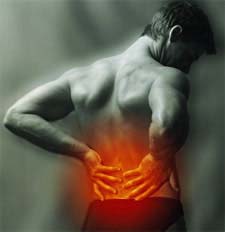
Robin McKenzie, a physical therapist in New Zealand, developed his Method in the 1960’s. He noted that extending the spine could provide significant pain relief to certain patients and allow them to return to their normal daily activities.
Here’s what we know about the McKenzie method for low back pain from a recent review of the literature.
An article published on Medscape discusses the impact of stress on insomnia. In addition to a brief mention of mindfulness, the author limits the discussion to benzodiazepines or ramelteon (Rozerem), which acts on melatonin receptors.
The British Association for Psychopharmacology does not rank massage among CAM options for dementia. Apparently, there are too few studies available for them to evaluate.
Physiotherapy (or physical therapy) is defined as the treatment of disease by physical exercise, massage, or other manipulative body-based methods — not drugs. Wikipedia has a good overview.
A survey of more than 6000 US hospitals by the American Hospital Association reveals that among 1400 responders, the percentage of hospitals offering at least one CAM service increased from 8% in 1998 to 27% in 2005. Continue reading More US hospitals offering CAM→
 Research published in the Archives of Internal Medicine shows that psychosocial factors, such as cynical distrust, chronic stress, and depression are associated with higher blood levels of C-reactive protein (associated with acute inflammatory reactions), interleukin-6 (stimulates an immune response to tissue damage), and fibrinogen (causes blood to clot).
 Actually, it hasn’t been studied very much.
 Three members of the Integrative Medicine Service at Memorial Sloan-Kettering Cancer Center in New York City have published their
 Beliefnet
 Robin McKenzie, a physical therapist in New Zealand,
 An
 Musculoskeletal complaints top the list of reasons people with cancer seek CAM care,
 Baby massage has a positive effect on the mood status of mothers, according to a recent
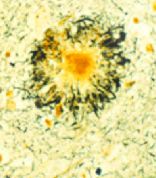 The British Association for Psychopharmacology does not
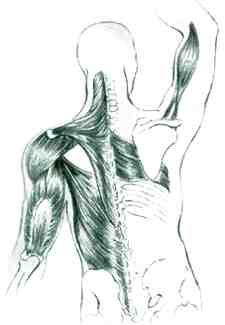 Physiotherapy (or physical therapy) is defined as the treatment of disease by physical exercise, massage, or other manipulative body-based methods — not drugs. Wikipedia has a good
 Breakthrough pain is a worsening or flare of pain that occurs in patients whose pain is otherwise controlled.
 It’s so bad that she canceled her concert tour.
 Give your family and friends holiday gifts that help them eat healthier or become more active.