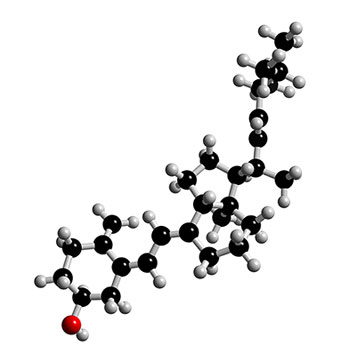
Researchers at The Ohio State University, Columbus, studied fatty acid intake in relation to osteoporotic fractures. Continue reading Fatty acids and the risk of fracture in women →
examined the value of vigorous activity and brisk walking after diagnosis on the risk of prostate cancer progression. Continue reading Value of physical activity after diagnosis of prostate cancer →
Researchers at the University of the Western Cape, in Cape Town, South Africa, looked for changes in adults with sputum smear–positive pulmonary tuberculosis. Continue reading Vitamin A and zinc to treat tuberculosis →
determined if pomegranate juice improved the recovery of skeletal muscle strength after eccentric exercise in subjects who routinely performed resistance training.
Eccentric exercise causes muscles to lengthen while lower a weight. Continue reading Effect of pomegranate juice following exercise →
Researchers at Harbor-UCLA Medical Center, in Torrance, California, hypothesized that the anti-inflammatory benefits of higher dietary intake of omega-3 compared with omega-6 polyunsaturated fatty acids might lower inflammatory processes and decrease the risk of death. Continue reading The omega-6 to -3 ratio and survival in hemodialysis patients →
International Journal of Obesity concluded , “Most trials have been descriptive in nature, of short duration (less than or equal to 12 weeks), and designed using nonstandard treatment protocols.”
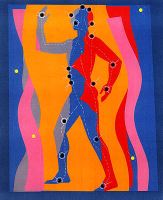
So, what’s changed? Continue reading Acupuncture for obesity →
studied the risk for an herbal:warfarin interaction in patients with non-valvular atrial fibrillation. Continue reading Effects of herbals on warfarin therapy →
Researchers at the University of South Carolina, in Columbia report their experience in older adults. Continue reading Improving balance and mobility using Feldenkrais exercises →
During the American Society of Clinical Oncology meeting, researchers at various centers in the US reported their findings. Continue reading Evaluating flaxseed to treat hot flashes →
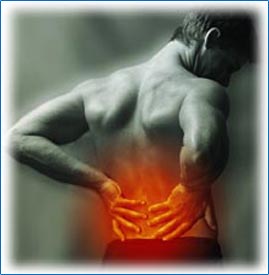
compared the occurrence of repeated disability in patients treated by different healthcare providers. Continue reading Chiropractic and recurrence of work-related low back pain →
ConsumerLab.com’s most recent tests revealed that 2 resveratrol supplements provided only 43% and 87%, respectively, of their listed amounts of resveratrol. Continue reading Resveratrol: You don’t always get what you pay for →
Researchers at the Centre for Addiction and Mental Health, in Toronto, Ontario studied the response to a 2-point electroacupuncture protocol (verum acupuncture). Continue reading Acupuncture not better than “placebo” for major depression →
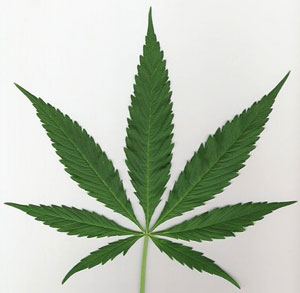
Dr. Gary Reisfield (photo), who is Chief of Pain Management Services at the University of Florida College of Medicine, in Gainesville, has reviewed the risks. Continue reading Risks of driving while on medical cannabis →
ranked 20 diets with input from a panel of health experts. Continue reading Best diets →
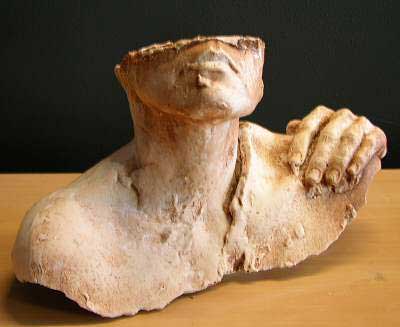
Researchers at Hamamatsu University, in Shizuoka, Japan, studied the response to tactile massage among elderly patients with dementia. Continue reading Tactile massage in elderly patients with severe dementia →
Researchers at the National Institute of Mental Health, in Bethesda, Maryland, measured the effects of chronic daily cannabis smokers on these receptors. Continue reading Effects of cannabis on the brain →
NCCAM , researchers from the US and Australia looked for potential benefits. Continue reading Echinacea to treat the common cold? →
Posts navigation
Complementary and Alternative Medicine: Fair, Balanced, and to the Point
 Fatty acids may be important dietary components that modulate osteoporotic fracture risk.



 A review published 6 years ago in the International Journal of Obesity