People in Japan who drink five or more cups of green tea a day are less likely to die from heart disease or from stroke caused by blood clots than those who drink less than one cup each day.
These results come from an 11-year study that evaluated the relationship between drinking green tea and deaths due to heart disease, cancer, and stroke in more than 40,000 adults.
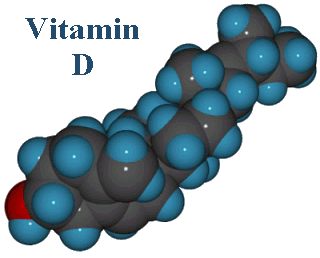
Laboratory studies show that there are up to three times more vitamin D receptors on pancreatic cancer cells than on normal pancreas cells. Moreover, the exposure to high concentrations of vitamin D(3) reduces the number of pancreatic cancer cells.
Now, the results from an epidemiological survey confirm the relationship between vitamin D and cancer of the pancreas.
“What you feed your baby and toddler could be the key to controlling their waistline as they grow through childhood and into adulthood,” according to the University of Michigan.
Here are the highlights of the article.
Breastfeeding protects against obesity risk later in life
Seek help from a pediatrician or a lactation consultant if difficulty develops
Begin solid food no sooner than four to six months of age
A child?s first flavor experience should be something healthy
The more a child tastes a particular food, the more they’ll like it
Don’t make sweets their first experience with solid food
Encourage eating a wide variety of foods
Before childbirth?
Nursing moms should be vigilant about the foods they eat
Women who drank carrot juice through pregnancy had infants who enjoyed pureed carrots more at four months of age than those children whose mothers did not drink carrot juice during pregnancy.
There’s more good information here, here, and here.
“We believe [the ionized bracelet] affects the body’s bio-electric balance of positive and negative ions (Yin and Yang), so as to achieve Chi.”
That’s the claim. In addition the bracelets “optimize your bio-energy, to promotion [sic] better performance and an overall sense of health and well-being.”
It’s hard to believe anyone would take such claims seriously. But they do.
The Mayo Clinic tested the bracelets in more than 600 adults. Here are the results.
The vagus nerve stimulator (VNS), “would have been unimaginable only a generation ago. After being implanted in a patient’s chest, … research suggests that repeated electronic stimulation of the vagus nerve can help treat severe depression”, saysThe New York Times.
It’s an interesting article, but here’s what you need know.
The Sixth U.K. House of Lords Science and Technology Report was published in 2000. It covers basic information on CAM. However, the section that interested me was on professional training and education.
Ultimately, the goal for CAM should be its integration into mainstream, allopathic medicine, according to the Report.
OK. But shouldn’t contemporary medicine be integrated into current CAM disciplines, as well? Patients benefit most when all healthcare providers understand the potential and limits of all available treatments.
Since this blog started three months ago, more than a dozen posts have been about acupuncture.
Here is some basic information to know if you’re considering treatment by an acupuncturists. It comes from an article I wrote in 2000. Except for the conditions to treat, it’s still up-to-date.
What is qi?
Where is qi located in the body?
Where are meridians located?
What is the role of the acupoints?
What about the other acupuncture points?
How do the acupuncture needles create an electrical current?
Jerky, uncontrolled movements, an unsteady walk, and grimaces gave Huntington’s disease (HD) its original common name – Huntington’s chorea (Old Greek for “dance”). It’s an uncommon and incurable disease that is passed on among family members. There are about 8,000 cases in Germany, and 30,000 people have HD in the U.S.
In 1993, scientists discovered that a mutation in a gene causes HD. Now, the first steps in developing treatment are being made with a component in green tea.
The U.S. Department of Health and Human Services reports that the ongoing decline in the use of marijuana among young people (age 12 to 17) continued in 2005. The report is here, and a news article is here.
A new book by medical writer, Susan Allport, contends that a little-known family of polyunsaturated fatty acids called omega-6s has permeated the Western diet and nullified the impact of heart disease-fighting omega-3s. You will probably hear more about this book, “The Queen of Fats,” over the next few weeks.
How do these two essential fatty acids compare? Here are some highlights according to the University of Maryland Medical Center website.
Three or four short, brisk walks during the day are more helpful to people watching their blood pressure than one continuous 40-minute work-out in a gym.
An algorithm for treating type 2 diabetes appears in Diabetes Care this month. Here’s a summary of the impressive effects of weight control ? if you can maintain it over the long-term.
The risk of gastroesophageal reflux disease (GERD) is directly linked to a woman’s body mass index (BMI), according to the results of a study published in The New England Journal of Medicine. Continue reading Got GERD? Watch your weight.→
A survey of 56 parents whose children had died in a pediatric intensive care unit after withdrawal of life-sustaining therapies reveals that most (73%) relied on their spirituality to guide end-of-life decision-making, find meaning of their loss, and sustain them emotionally.
When asked what was most helpful to them and what advice they would offer to others at the end of life, these parents listed the following.
Around 1990, two studies here and here suggested that artificial sweeteners had little satiating capacity compared to glucose or sucrose. It raised the question, if they didn’t make you feel full (or keep you feeling full) compared to sugar, how could they help lose weight?
This is the source of the rumor that artificial sweeteners cause weight gain.
In advance of National Mushroom Month came news that a single serving of white button mushrooms – the most commonly sold mushroom – could contain 869% of the daily vitamin D requirement when exposed to five minutes of UV light after being harvested.
 People in Japan who drink five or more cups of green tea a day are less likely to die from heart disease or from stroke caused by blood clots than those who drink less than one cup each day.
 Amy Tenderich’s
 Laboratory studies
 Here’s what we
 “What you feed your baby and toddler could be the key to controlling their waistline as they grow through childhood and into adulthood,”
 “We believe [the ionized bracelet] affects the body’s bio-electric balance of positive and negative ions (Yin and Yang), so as to achieve Chi.”
 The vagus nerve stimulator (VNS), “would have been unimaginable only a generation ago. After being implanted in a patient’s chest, … research suggests that repeated electronic stimulation of the vagus nerve can help treat severe depression”,
 Bandolier has
 The Sixth U.K. House of Lords Science and Technology Report was
 Since this blog started three months ago, more than a dozen posts have been about acupuncture.
 The U.S. Department of Health and Human Services reports that the ongoing decline in the use of marijuana among young people (age 12 to 17) continued in 2005. The report is
 A new book by medical writer, Susan Allport, contends that a little-known family of polyunsaturated fatty acids called omega-6s has permeated the Western diet and nullified the impact of heart disease-fighting omega-3s. You will probably hear more about this book, “The Queen of Fats,” over the next few weeks.
 Three or four short, brisk walks during the day are more helpful to people watching their blood pressure than one continuous 40-minute work-out in a gym.
 An algorithm for treating type 2 diabetes
 The risk of gastroesophageal reflux disease (GERD) is directly linked to a woman’s body mass index (
 A survey of 56 parents whose children had died in a pediatric intensive care unit after withdrawal of life-sustaining therapies
 Considering that it’s National Mushroom Month, here are some mushroom facts.
 Around 1990, two studies