Laboratory studies suggest that phytoestrogens, found in soy products such as tempe and tofu, could protect against cognitive (reasoning) decline. But an earlier study in humans suggested the opposite.
Taking a specific dose of calcium in the absence of a specific dose of vitamin D reduced the risk of fractures in healthy individuals, according to researchers at Dartmouth Medical School in Lebanon, New Hampshire. Continue reading Calcium lowers the risk of fractures→
The British Association for Psychopharmacology does not rank massage among CAM options for dementia. Apparently, there are too few studies available for them to evaluate.
Snoezelen (or multi-sensory stimulation) is used to promote positive mood in older people with dementia, as well as manage maladaptive behaviors (eg, autism and other behaviors that interfere with everyday activities).
The Snoezelen (pronounced SNOOzelen) environment provides gentle stimulation of the primary senses. The objective is to overcome inhibitions, enhance self-esteem, and reduce tension.
The results of this study show that regular qigong practice could relieve depression and improve self-efficacy and personal well being among elderly persons with chronic physical illness and depression.
That’s the title of a new CDC book, which presents “specific interventions that have rigorous scientific evidence of effectiveness” in lowering the risk of falls among the elderly. Continue reading Preventing Falls: What Works→
Reminiscence music reportedly reduces the symptoms of depression in patients with dementia. It’s also effective for agitation and disruptive behavior in patients with dementia, and makes it easier to provide care.
A recent review of the medical literature revealed that except for prostate cancer, there was no evidence that vitamin E could protect from getting lung, stomach, esophageal, pancreatic, breast, or thyroid cancer.
A large-scale study of elderly people reports that training to improve reasoning results in less functional decline in activities of daily living over 5 years of follow-up.
Researchers from the University of Western Sydney in Australia reviewed 40 years of research that compared calcium with or without vitamin D in older adults.
 Laboratory studies suggest that phytoestrogens, found in soy products such as tempe and tofu, could protect against cognitive (reasoning) decline. But an earlier study in humans suggested the opposite.
 Providing a simplified tai-chi exercise program (STEP) in long-term care facilities can promote physical health in older adults.
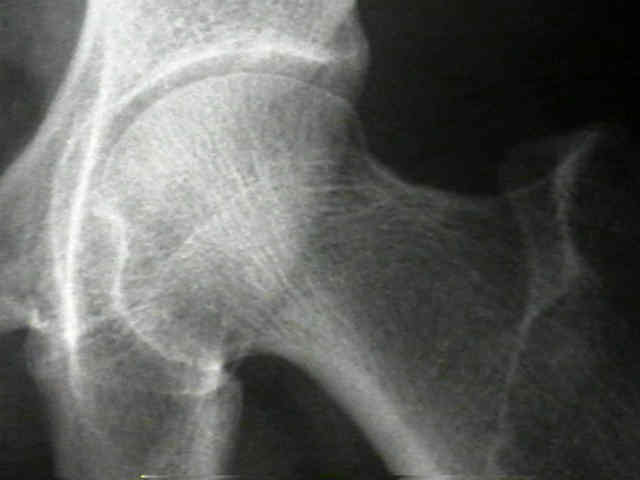 Taking a specific dose of calcium in the absence of a specific dose of vitamin D reduced the risk of fractures in healthy individuals,
 Slow walking speed is a strong predictor of increased risk of incident ischemic stroke among postmenopausal women,
 Researchers from the Universidade Federal do Paraná in Brazil
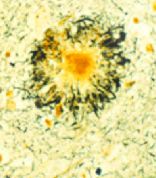 The British Association for Psychopharmacology does not
 Not much evidence is available. But here’s what 2 researchers from the University of Pittsburgh in Pennsylvania discovered during their
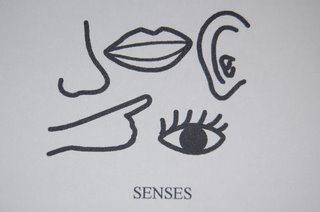 Snoezelen (or multi-sensory stimulation) is used to promote positive mood in older people with dementia, as well as manage maladaptive behaviors (eg, autism and other behaviors that interfere with everyday activities).
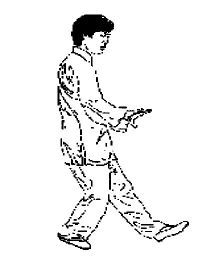 The results of this
 That’s the title of a new CDC
 Reminiscence music reportedly reduces the symptoms of depression in patients with dementia. It’s also effective for agitation and disruptive behavior in patients with dementia, and makes it easier to provide care.
 But only if you remember to take it.
 Researchers from Los Angeles
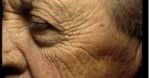 The researchers from Johnson & Johnson Consumer Products show that “a moisturizer containing stabilized soy extracts is safe and effective.”
 However, it’s important to compare this study