Results from the Invecchiare in Chianti (InCHIANTI) Study indicate that low selenium blood levels are independently associated with poor skeletal muscle strength — at least in Tuscany.
“Several studies have pointed to vitamin E as possibly protective against … dementia,” according to Dr. Neil Buckholtz who is head of the Dementias of Aging Branch at the National Institute on Aging. “The only way this association can really be tested is through clinical studies and trials.”
An earlier entry cautioned about being overly enthusiastic about dehydroepiandrosterone (DHEA) as a miracle supplement. Now, we have evidence that it lacks any measurable anti-aging effect.
An article in The Journal of the American Medical Association reports, “Efforts to increase or maintain free-living activity energy expenditure will likely improve the health of older adults.”
They actually correlate calories burned with longevity.
Using soy foods to replace foods high in animal protein that contain fat and cholesterol might help improve cholesterol levels and confer benefits to cardiovascular health in postmenopausal women.
Lipids Online has a good summary of a study just published in the journal, Menopause.
There’s really not enough evidence to be certain of the risk to benefit ratio in elderly patients. But what is known is summarized in a Cochrane review.
Fibromyalgia is a pain syndrome caused by the brain’s inability to accurately interpret pain sensations due to the presence of psychosocial and behavioral factors. About 3.7 million adult Americans are afflicted. It primarily occurs in women of childbearing age, but children, the elderly, and men may also be affected.
Because of these psychosocial and behavioral factors, complementary treatments such as cognitive behavioral therapy (CBT) are recommended here and here to optimize treatment.
The results of the Advanced Cognitive Training for Independent and Vital Elderly (ACTIVE) study were summarized here recently.
Now, Dr. Sally Shumaker, professor of public health sciences and associate dean for research at Wake Forest University Medical School, writes about the study’s implications in the Journal of the American Medical Association.
Two studies published this summer showed positive health effects of curry. One looked at brain function, the other at the colon.
First, the brain.
Mini-Mental State Examination (MMSE) scores were compared among 1010 elderly Asians, aged 60 to 93 years. The MMSE is used to determine the extent of dementia in adults. The results of the test were then compared to categories of curry consumption: “often” (more than once a month), “occasionally” (once or more in 6 months but less than once a month), and “never or rarely.”
The International Council on Active Aging and AARP will sponsor Active Aging Week, September 25th to October 1st.
I mention it because one of the sponsors offers a locator for “age-friendly” fitness centers. It’s designed to help people over 50 find a gym or a health club. It’s unclear what they do to make themselves “age-friendly,” however.
Probiotics reduce cholesterol absorption and increase cholesterol excretion. But it’s unclear if the effect has significance for patients with hypercholesterolemia.
I go to the nursing home to visit my mother who is 90 and has Alzheimer’s disease. I walk into the lounge where the patients sit. Titanic is playing on the TV. Nobody looks interested. Most are sleeping — or maybe they’re sedated.
That night, as I’m reading, voil?, the value of art therapy in patients with Alzheimer’s disease becomes clear.
 Results from the Invecchiare in Chianti (InCHIANTI) Study indicate that low selenium blood levels are independently associated with poor skeletal muscle strength — at least in Tuscany.
 “Several studies have pointed to vitamin E as possibly protective against … dementia,”
 Remote access to patients with chronic heart failure (by telephone or telemonitoring) has a positive effect on health and wellbeing.
 An earlier
 An
 Using soy foods to replace foods high in animal protein that contain fat and cholesterol might help improve cholesterol levels and confer benefits to cardiovascular health in postmenopausal women.
 Fibromyalgia is a pain syndrome caused by the brain’s inability to accurately interpret pain sensations due to the presence of psychosocial and behavioral factors. About 3.7 million adult Americans are afflicted. It primarily occurs in women of childbearing age, but children, the elderly, and men may also be affected.
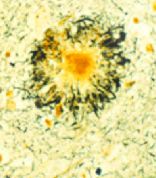 The results of the Advanced Cognitive Training for Independent and Vital Elderly (ACTIVE) study were summarized
 Here are the results of a
 Here’s why this is
 Two studies published this summer showed positive health effects of curry. One looked at brain function, the other at the colon.
 The International Council on Active Aging and AARP will
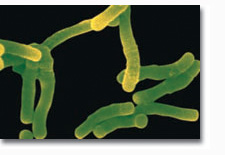 Probiotics
 I go to the nursing home to visit my mother who is 90 and has Alzheimer’s disease. I walk into the lounge where the patients sit. Titanic is playing on the TV. Nobody looks interested. Most are sleeping — or maybe they’re sedated.