Should you eat more omega-3-rich fish for a healthier heart, or avoid fish because of contaminants, such as mercury?
Dr. Donald Hensrud, who is chair of Mayo Clinic’s Division of Preventive Medicine has posted his thoughts on MayoClinic.com. And, I found a useful link to safe seafood, state to state. Continue reading A guide to eating safe fish→
Researchers from Belgium and Norway reviewed the evidence for non-pharmacological management of orthostatic hypotension (low blood pressure upon standing) during the early rehabilitation of people with spinal cord injury.
Among older adults, modest consumption of fish is associated with a lower prevalence of subclinical brain infarcts (“tiny” strokes) — changes in the brain consistent with a stroke, but without the usual outward signs and symptoms. Continue reading Fatty fish and the risk of “tiny” strokes→
Difficulty swallowing (dysphasia) after stroke occurs in up to 60% of patients, and is associated with other complications and death, particularly if it’s prolonged.
Dietary sources of flavonoids in Western societies include onions (flavonols); cocoa (proanthocyanidins); tea, apples, and red wine (flavonols and catechins); citrus fruit (flavanones); berries and cherries (anthocyanidins); and soy (isoflavones).
Standing balance deficits are common after stroke. One way to address these deficits is to provide feedback from a force platform while balance activities are performed. Continue reading Balance training after stroke→
The National Stroke Association along with Bristol-Meyers Squibb Sanofi Pharmaceuticals sponsors the STARS program, which is designed to inform stoke patients how to reduce their risk for recurrent stroke.
The UC Berkeley Wellness Letter tells us, “There’s some evidence that tea drinking is associated with a reduced risk of heart attack. But it’s too soon to recommend tea as a way to prevent heart attacks.”
Physiotherapy (or physical therapy) is defined as the treatment of disease by physical exercise, massage, or other manipulative body-based methods — not drugs. Wikipedia has a good overview.
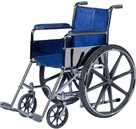 Occupational therapists have for many years been identified as key contributors to the rehabilitation of people with stroke.
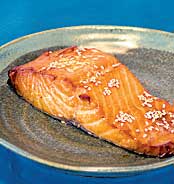 Â Should you eat more omega-3-rich fish for a healthier heart, or avoid fish because of contaminants, such as mercury?
 The Dietary Approaches to Stop Hypertension (DASH) diet lowers blood pressure, But what is the effect on stroke and coronary heart disease?
 Researchers from The Hong Kong Polytechnic University
 Researchers from Belgium and Norway
 Difficulty swallowing (dysphasia) after stroke
 Teaching children to recognize stroke.
 Dietary sources of flavonoids in Western societies include onions (flavonols); cocoa (proanthocyanidins); tea, apples, and red wine (flavonols and catechins); citrus fruit (flavanones); berries and cherries (anthocyanidins); and soy (isoflavones).
 Both beverages have antioxidant properties, and coffee may improve insulin sensitivity.
 Slow walking speed is a strong predictor of increased risk of incident ischemic stroke among postmenopausal women,
 Standing balance deficits are common after stroke. One way to address these deficits is to provide feedback from a force platform while balance activities are performed.
 The National Stroke Association along with Bristol-Meyers Squibb Sanofi Pharmaceuticals sponsors the STARS program, which is designed to inform stoke patients how to reduce their risk for recurrent stroke.
 People at high risk of heart disease or stroke who changed to the Traditional Mediterranean Diet (TMD) showed significant reductions in LDL (bad) cholesterol.
 The UC Berkeley Wellness Letter tells us, “There’s some evidence that tea drinking is associated with a reduced risk of heart attack. But it’s too soon to recommend tea as a way to prevent heart attacks.”
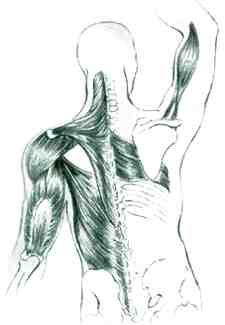 Physiotherapy (or physical therapy) is defined as the treatment of disease by physical exercise, massage, or other manipulative body-based methods — not drugs. Wikipedia has a good