 Despite evidence from a few studies, electromyographic biofeedback (EMG-BFB) plus standard physiotherapy does not produce improvements compared to physiotherapy alone, according to this Cochrane Review. Continue reading Assessing the value of biofeedback following stroke
Category Archives: Stroke
The pros and cons of folic acid fortification of foods
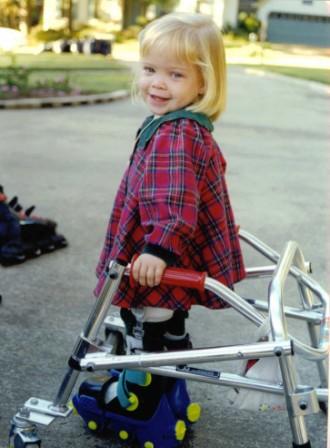 Fortifying food, such as wheat and corn flour, with folic acid reduces the risk of spina bifida in babies.
This public health practice was introduced 10 years ago in North America. Now, that practice is being debated in the UK and worldwide. “Are the benefits to the few outweighed by possible harm to some of the many exposed? Continue reading The pros and cons of folic acid fortification of foods
The risk of falling among the elderly
 There’s lots of interest in reducing the risk of falls in the elderly. But what are the signs that grandma is at significant risk?
Researchers from the Centers for Disease Control and Prevention in Atlanta, Georgia have complied a list. Continue reading The risk of falling among the elderly
Using dan shen to treat stroke
 Dan shen (Red sage, salvia miltiorrhiza, and radix salvis mitiorhiza) is an herbal medicine used to treat acute ischemic stroke in China. The condition is caused following blockage of blood flow to the brain and accounts for about 85% of all strokes.
Cochrane reviewed the published studies. Continue reading Using dan shen to treat stroke
A CAM success story for 2007
 That would have to be Polyphenon E. Continue reading A CAM success story for 2007
Probing the value of isoflavones in patients at risk for cardiovascular complications
 Isoflavones are one of the phytoestrogens found mainly in soybeans. Here’s a somewhat technical study from researchers at the Queen Mary Hospital in Hong Kong where isoflavones had beneficial effects on blood flow in people at risk for cardiovascular complications. Continue reading Probing the value of isoflavones in patients at risk for cardiovascular complications
The risk of stroke with chiropractic
 The association between stroke/cerebrovascular accident and manipulative procedures performed to the cervical spine is an issue that gets lots of attention from the media and critics of chiropractic.
Supporters of chiropractic counter that the critics take the “very remote” risk of vertebral artery dissection (VAD), which results in a stroke, and disproportionately magnify the “fear factor” in the general population.
The health risks of panic attacks in postmenopausal women and CAM options
The Women’s Health Initiative Observational Study reports “Panic attacks are relatively common among postmenopausal women and appear to be an independent risk factor for cardiovascular morbidity and mortality in older women.”
Let’s review the study and then the CAM connection. Continue reading The health risks of panic attacks in postmenopausal women and CAM options
Danshen safety and effectiveness to treat stroke
Danshen (Salvia miltiorrhiza) is used in traditional Chinese medicine (TCM) to treat stroke, as well as heart disease, atherosclerosis, and blood clotting abnormalities.
The Cochrane Collaboration updated an earlier review of danshen to treat ischemic stroke — the most common kind of stroke, caused by an interruption in blood flow to the brain (as when a clot blocks a blood vessel). Continue reading Danshen safety and effectiveness to treat stroke
Some benefit from antioxidant vitamins on the risk of cardiovascular disease
 About 23% or 62 million Americans have some form of cardiovascular disease (CVD; eg, heart disease, stroke, atherosclerosis, coronary heart disease, angina, coronary artery disease, high blood pressure, or heart failure).
The Women’s Antioxidant Cardiovascular Study concluded, “There were no overall effects of ascorbic acid [vitamin C], vitamin E, or beta carotene on cardiovascular events among women at high risk for CVD.”
But read on to see those who did benefit. Continue reading Some benefit from antioxidant vitamins on the risk of cardiovascular disease
Professor Ernst cautions against upper spinal manipulation
 Professor Edzard Ernst from the Universities of Exeter & Plymouth in the UK is an outspoken critic of CAM.
In an interview, he says, “If any drug were linked to such rates of harm [as is spinal manipulation], I somehow doubt that it would still be on the market.” Continue reading Professor Ernst cautions against upper spinal manipulation
Folic acid and the stroke connection
This reanalysis of the results (meta-analysis) from 8 studies concluded, “folic acid supplementation can effectively reduce the risk of a first stroke.”
But what about colon cancer? Continue reading Folic acid and the stroke connection
The value of phytoestrogens during menopause
Researchers from the Medical University of Vienna reviewed and reanalyzed the results from 25 studies of the treatment of the climacteric syndrome (menopause).
Their findings are not always clear-cut. Continue reading The value of phytoestrogens during menopause
The signs and symptoms of stroke following neck manipulation
A survey of university hospitals in Germany uncovered the typical findings in people who experience vertebral artery dissection (VAD) following chiropractic neck manipulation.
Continue reading The signs and symptoms of stroke following neck manipulation
Measuring the effect of folic acid on homocysteine and the risk of heart disease
High blood levels of the amino acid called homocysteine are thought to increase the risk for heart disease by damaging the lining of blood vessels and increasing blood clotting.
Despite this, the American Heart Association doesn’t recommend widespread use of folic acid to lower homocysteine blood levels.
Does this make sense?
Here’s the latest information.
Continue reading Measuring the effect of folic acid on homocysteine and the risk of heart disease
Effects of policosanol in patients with ischemic stroke
 This blog has chronicled the lipid-lowering effects of policosanol, which lowers LDL (bad) cholesterol levels by 20% to 30%. Its mechanism of action differs from statins. However, it’s close enough that for safety, I would be cautious taking policosanol and a statin at the same time. One-A-Day Cholesterol Plus contains policosanol.
Now, a new study reports that policosanol has a positive effect on recovery in patients with ischemic stroke. This might be an overstatement, but let’s take a closer look.
Continue reading Effects of policosanol in patients with ischemic stroke
Benefits of repetitive transcranial magnetic stimulation in stroke patients
 A single session of repetitive transcranial magnetic stimulation (rTMS) to the unaffected part of the brain can improve motor function in stroke patients.
Here are the details of the study.
Continue reading Benefits of repetitive transcranial magnetic stimulation in stroke patients
Lead: More toxic than we thought
 In addition to Ayurvedic medicines, certain traditional or folk medications used in East Indian, Middle Eastern, West Asian, and Hispanic cultures contain lead. The “logic” supporting the addition of lead to medicine was summarized in an earlier post.
Now it’s reported that lead is more toxic than we thought. People with lead blood levels well below those previously considered safe (less than 10 mcg/dL) are at increased risk for heart attack and stroke.
How great is the risk?