I’m surprised by the position of the Alzheimer’s Association regarding huperzine A (shuangyiping). “Evidence from small studies shows that the effectiveness of huperzine A may be comparable to that of the approved drugs.”
Researchers from West Park Healthcare Centre Toronto in Ontario ask, is there any benefit from one-legged exercise, at half the load of two-legged exercise in people with chronic obstructive lung disease (COPD)? Continue reading One-legged exercise for COPD→
It was more effective than the benzodiazepine drug estazolam (ProSom, Eurodin) in this study by researchers at Guangzhou University of Chinese Medicine in China.
Among older adults, modest consumption of fish is associated with a lower prevalence of subclinical brain infarcts (“tiny” strokes) — changes in the brain consistent with a stroke, but without the usual outward signs and symptoms. Continue reading Fatty fish and the risk of “tiny” strokes→
Asian ginseng, Siberian ginseng, and the Indian Ayurvedic medicine Ashwagandha interfere with serum digoxin measurements obtained with commonly used fluorescent immunoassay tests.
Abbott Laboratories has marketed an alternative digoxin immunoassay, Digoxin III. Researchers at the University of Texas Health Sciences Center at Houston report on the risk of getting inaccurate digoxin levels in patients who take digoxin and one of these herbals at the same time. Continue reading Interference by ginseng with a new digoxin immunoassay→
We’re talking about the soft-bodied legless grub that is the larva of certain flies. Their benefits include cleaning the wound and possibly speeding healing.
Difficulty swallowing (dysphasia) after stroke occurs in up to 60% of patients, and is associated with other complications and death, particularly if it’s prolonged.
Researchers from the University of Miami Miller School of Medicine in Florida report that adding lavender-scented bath oil to the infant bath results in lower stress in the mother and child, less crying, and better sleep. Continue reading Lavender baths lower stress in mother and child→
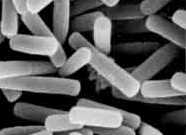
Live probiotic bacteria and dietary prebiotic oligosaccharides (together termed synbiotics) are being used in infancy, but evidence of their long-term effects and safety is lacking.
 I’m surprised by the position of the Alzheimer’s Association regarding huperzine A (shuangyiping). “Evidence from small studies shows that the effectiveness of huperzine A may be comparable to that of the approved drugs.”
 Red yeast rice can lower LDL (bad) cholesterol.
 In this study, noseless saddles made it easier for police officers to ride their bikes.
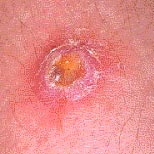 In this time of
 Importantly, we are referring to people with mildly elevated cholesterol blood levels in this
 Â Here are some CAM highlights for migraine and fibromyalgia from the American Academy of Pain Management (AAPM) 19th Annual Clinical Meeting.
 Is it possible that infant feeding patterns can influence long-term changes in cholesterol metabolism?
 Researchers from Spain and Boston
 Standardized extract SHR-5 of Rhodiola rosea L. rhizomes (Sedum roseum; rose root) was
 It was more effective than the benzodiazepine drug estazolam (ProSom, Eurodin) in this
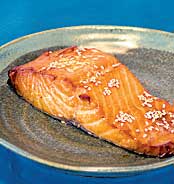 Among older adults, modest consumption of fish is
 As you read this summary of a study conducted at Charité Medical Centre in Berlin, consider an earlier
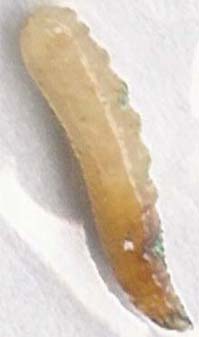 We’re talking about the soft-bodied legless grub that is the larva of certain flies. Their benefits include cleaning the wound and possibly speeding healing.
 Difficulty swallowing (dysphasia) after stroke
 Researchers from the University of Miami Miller School of Medicine in Florida
 Live probiotic bacteria and dietary prebiotic oligosaccharides (together termed synbiotics) are being used in infancy, but evidence of their long-term effects and safety is lacking.