Pelargonium sidoides (aka EPs 7630 and Umckaloabo) is an herbal extract derived from the gerenium. It’s used to treat acute respiratory tract infections (ARIs) where antibiotics are unnecessary.
Garlic preparations are better than placebo in reducing blood pressure in people with high blood pressure, according to this review by researchers from The University of Adelaide in Australia. Continue reading Effect of garlic on blood pressure→
As we age, zinc deficiency combined with impaired immunity increase our susceptibility to infection.
Now, a study hows that zinc supplementation raises zinc blood levels, and lowers circulating proteins that increase the risk of infection. Most importantly, it also lowered the rate of infection in the elderly.
Few treatments for back pain are supported by strong scientific evidence. Conventional treatments have limited success and often result in dissatisfied patients who turn to CAM.
A review from the Cochrane Collaboration concluded, “massage might be beneficial for patients with subacute and chronic non-specific low-back pain, especially when combined with exercises and education.”
Since 1990 the U.S. Food and Drug Administration (FDA) has issued warnings about botanical products and dietary supplements containing aristolochic acid.
Now, The Lancetreports a 30 year-old Chinese man who was diagnosed with a bladder tumor after taking the Chinese herb Longdan Xieganwan for at least 5 years. (Use this link if you are not a subscriber to The Lancet.)
It’s unclear whether killing the bacteria called Helicobacter pylori improves symptoms in patients with dyspepsia (ie, stomach pain with fullness, bloating, or nausea). But there is benefit in people with ulcers.
Here’s a review from American Family Physician that recommends that all of us with dyspepsia be tested and treated if H. pylori is found. Recommendations from the American College of Gastroenterology are here.
 Dr. Barbara Gilchrest is professor and head of the Department of Dermatology at Boston University School of Medicine.
 5-Loxin is a product made from Boswellia serrata (aka Salai guggal in Ayurvedic medicine).
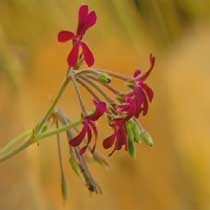 Pelargonium sidoides (aka EPs 7630 and Umckaloabo) is an herbal extract derived from the gerenium. It’s used to treat acute respiratory tract infections (ARIs) where antibiotics are unnecessary.
 This
 Based on this safety
 Â This meta-analysis
 The reviewers
 Garlic preparations are better than placebo in reducing blood pressure in people with high blood pressure, according to this
 In this
 Some studies suggest that cancer patients who take antioxidants are more likely to tolerate more full doses of chemotherapy.
 The supporting evidence is marginal according to this Cochrane Library
 There appear to be beneficial effects on the skeleton.
 As we age, zinc deficiency combined with impaired immunity
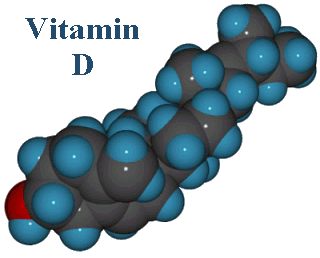 There’s so much interest in vitamin D it could use its own blog.
 In Connecticut, the elderly benefit when healthcare providers allocate a part of their patient care time to fall prevention.
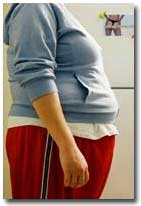 The results of the Dietary Intervention Randomized Controlled Trial (DIRECT) Group have been
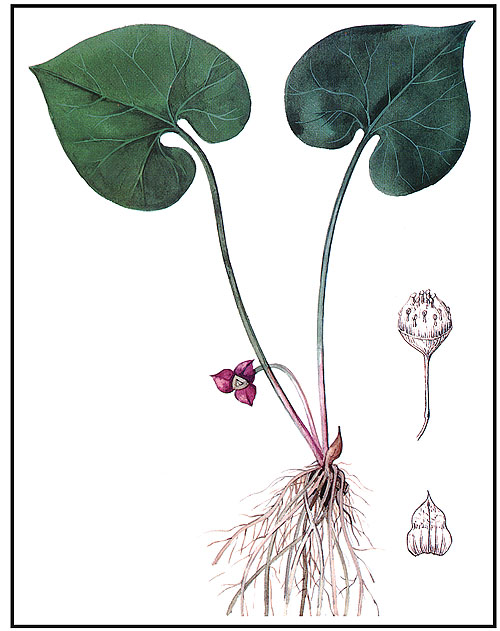 Since 1990 the U.S. Food and Drug Administration (FDA) has issued
 It’s unclear whether killing the bacteria called Helicobacter pylori improves symptoms in patients with dyspepsia (ie, stomach pain with fullness, bloating, or nausea). But there is benefit in people with ulcers.