You might have read about the study where acetaminophen (Tylenol, paracetamol), nonsteroidal anti-inflammatory drugs (eg, ibuprofen; Advil and Motrin), and aspirin were associated with development of high blood pressure.
What should you do if you take these drugs regularly and have high blood pressure?
Indomethacin (Indocin) can cause serious intestinal side effects including inflammation, bleeding, and ulcers. So, if you’re going to test the value of a supplement that claims to protect the intestines, what better than to see if it protects against indomethacin side effects.
Yoga Journal has a misleading article in its latest edition that states, “if you’re looking to sharpen your immune system this winter, also consider one of the following.”
There are no studies in human beings that report lower infection rates by using any of these 3 herbals.
A study conducted at the All India Institute of Medical Sciences in New Delhi found that boric acid vaginal suppositories were more effective than oral fluconazole (Diflucan) to treat diabetic women with vulvovaginal candidiasis (a yeast infection) cause by the fungus, Candida glabrata.
64% of patients treated with boric acid were cured compared to 29% of women treated with fluconazole.
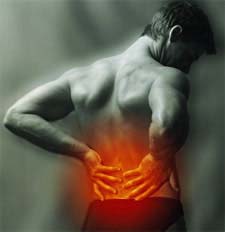
A lot of time is spent on this blog covering treatments for back pain. Here’s a new study that describes the typical progression of this common condition and the influence of regular exercise on recovery.
This observational study conducted by the Technische Universitat Munchen in Germany concluded “Acupuncture treatment is associated with clinically relevant improvements in patients suffering from chronic low back pain.”
The Ontario Neurotrauma Foundation asked experts from Canada and the United States to establish research priorities in the area of urological care following spinal cord injury (SCI).
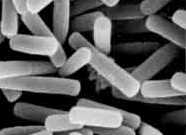
Among their 5 priorities was the recommendation to study the value of probiotics to control the growth of bacteria and treat infections in the urinary tract.
People with irritable bowel syndrome (IBS) experience abdominal pain or discomfort associated with diarrhea and/or constipation. Standard medical treatment options are limited. Therefore, many people choose to pursue CAM, including hypnotherapy.
In a letter to the editor several years ago, Dr. David von Weiss argued for consideration of mindfulness meditation when treating fibromyalgia.
As a family physician who taught mindfulness meditation, he found that patients with fibromyalgia were grateful for the improvement after learning this mind/body process.
A PubMed search on “mindfulness” and “fibromyalgia” disclosed only two clinical studies. Here’s what they report.
I don’t know. But my first thought about this study is that a statistical improvement does not necessarily mean there’s a change that could affect your health in a meaningful way.
This site has discussed black cohosh before. Our focus was on the lack of effectiveness for the treatment for menopausal symptoms, and the lack of manufacturing standards that result in variability in product content of black cohosh.
Now, following an analysis of 16 case reports of hepatotoxicity associated with the use of Cimicifugae racemosae rhizoma (black cohosh, root), the European Medicines Agency has advised consumers to stop taking black cohosh and consult their doctor immediately if they develop signs and symptoms suggestive of liver injury. Examples include tiredness, loss of appetite, yellowing of the skin and eyes, or severe upper stomach pain with nausea and vomiting or dark urine.
Stories of Chinese herbal medicines always begin with a saga. In this case, “after sifting through more than 1,000 plants for 13 years, the researchers found 150 herbs with medicinal properties that appeared active in fighting HIV ? From there, they selected the bark from white mulberry roots and four other Chinese plants as basic elements of their compound drug.”
The product of this searching and concocting is Suspension SH (aka Compound SH).
Transcendental Meditation is a frequent source of heated debate. Just check out the entry on Wikipedia. It’s a positive read except that much of it is contested. Such is the risk of the “free encyclopedia.” Robert Todd Carroll has a more skeptical view of TM.
Anyway, with that in mind, here’s a study of the effectiveness of transcendental meditation on functional capacity and quality of life of African Americans with congestive heart failure.
It’s only February, but I was wondering today what might be the most significant story in CAM for 2007. Perhaps it will be an increase in credible studies published in well-respected peer reviewed mainstream medicine journals.
Here’s one on effects of electroacupuncture in patients with functional dyspepsia. It was published in Digestive Diseases and Sciences.
 Chitosan is a pulverized powder made from the shells of shrimp and crab. It was discovered as part of an effort to clean up oil spills.
 You might have read about the study where acetaminophen (Tylenol, paracetamol), nonsteroidal anti-inflammatory drugs (eg, ibuprofen; Advil and Motrin), and aspirin were associated with development of high blood pressure.
 This topic is
 Indomethacin (Indocin) can cause serious intestinal side effects including inflammation, bleeding, and ulcers. So, if you’re going to test the value of a supplement that claims to protect the intestines, what better than to see if it protects against indomethacin side effects.
 Yoga Journal has a misleading
 A
 A lot of time is spent on this blog covering treatments for back pain. Here’s a new
 The Ontario Neurotrauma Foundation
 The results of this
 People with irritable bowel syndrome (IBS) experience abdominal pain or discomfort associated with diarrhea and/or constipation. Standard medical treatment options are limited. Therefore, many people choose to pursue CAM, including hypnotherapy.
 I
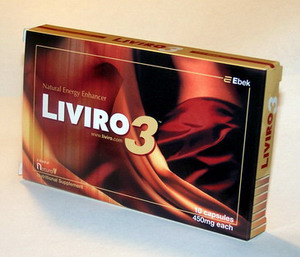 Liviro3 is a dietary supplement produced by Ebek, Inc.
 In a
 I don’t know. But my first thought about this
 This site has discussed black cohosh
 Stories of Chinese herbal medicines always begin with a
 Transcendental Meditation is a frequent source of heated debate. Just check out the
 It’s only February, but I was wondering today what might be the most significant story in CAM for 2007. Perhaps it will be an increase in credible studies published in well-respected peer reviewed mainstream medicine journals.